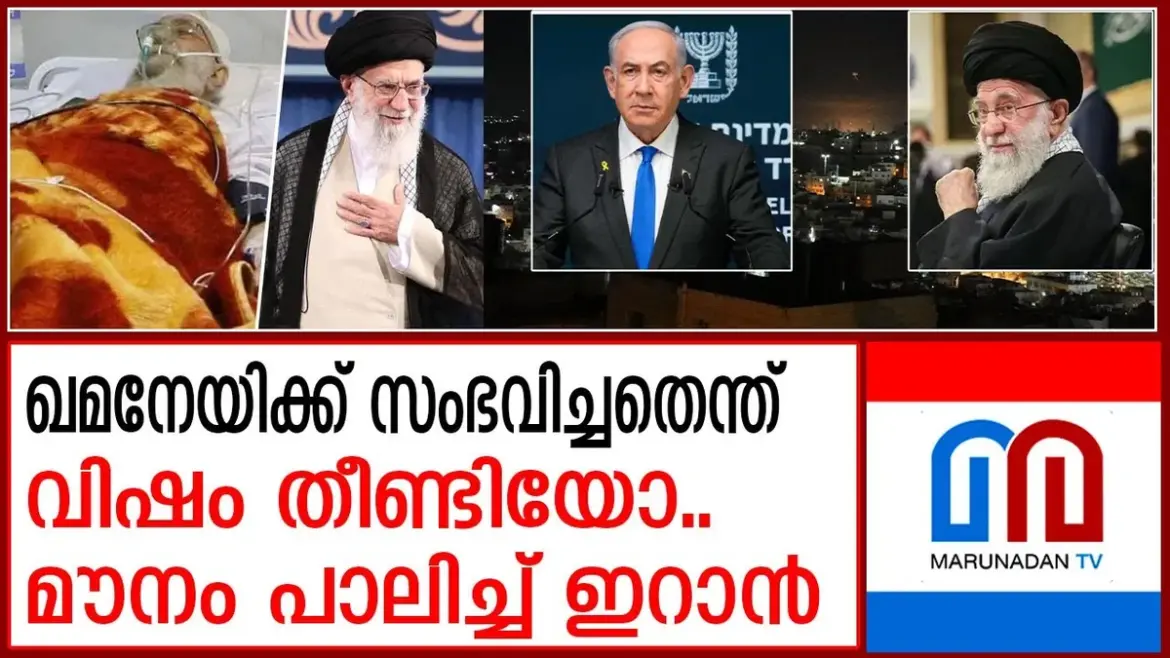
Mojtaba Khamenei, recently appointed as the Supreme Leader of Iran, is currently in critical condition in Qom. His health crisis comes shortly after he was chosen as successor to his father, Ali Khamenei, in early March 2026. Reports indicate that Mojtaba is unable to fulfill his leadership duties due to severe health complications stemming from a US-Israel joint airstrike.
The airstrike, which occurred shortly before his health decline, resulted in significant injuries for Mojtaba, including severe facial injuries and a leg amputation. He has been in a coma since the attack, and preparations for the burial site of his father, Ali Khamenei, who was confirmed killed in the same airstrike, are already underway in Qom.
At 56 years old, Mojtaba Khamenei has not been seen in public since his appointment, raising questions about the future leadership of Iran. The circumstances surrounding his health have led to widespread speculation and concern among political observers and officials.
Details remain unconfirmed regarding the exact status of Mojtaba’s health, leaving many to ponder the implications for Iran’s political landscape. The uncertainty surrounding the leadership transition is palpable, as the nation grapples with the potential ramifications of losing both its Supreme Leader and his successor in such a short span of time.
As the situation develops, analysts are closely monitoring the responses from Iranian officials and the international community. The potential for a power vacuum or shifts in governance could have significant consequences for Iran and its relations with neighboring countries.
In the wake of this crisis, the Iranian populace remains on edge, with many looking to the government for clarity on the leadership’s future. The coming days will be crucial in determining how the Iranian leadership navigates this unprecedented situation.