What observers say
The film Dhurandhar has sparked considerable interest due to its roots in real-life events and characters, particularly in the context of geopolitical tensions between India and Pakistan. The sequel, Dhurandhar 2, draws inspiration from actual incidents and figures, making it a compelling watch for those intrigued by the intersection of cinema and reality.
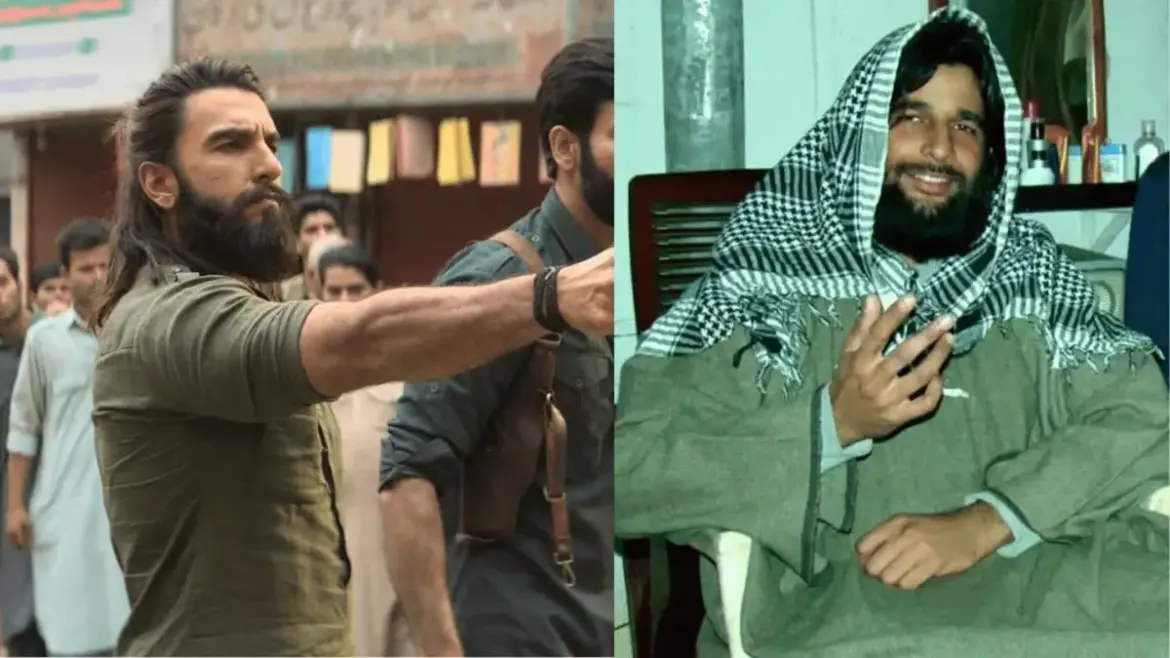
One of the most striking aspects of Dhurandhar 2 is its character Major Iqbal, who is based on Ilyas Kashmiri, a figure linked to the infamous 26/11 Mumbai attacks. This connection not only adds a layer of authenticity to the narrative but also highlights the film’s engagement with significant historical events that have shaped contemporary India-Pakistan relations.
Another character, SP Chaudhry Aslam, is modeled after a real-life police officer who was tragically killed in a suicide car bombing. His portrayal in the film serves as a poignant reminder of the sacrifices made by law enforcement in the ongoing battle against terrorism. Additionally, Ajay Sanyal, who represents India’s National Security Advisor, Ajit Doval, showcases the strategic maneuvers that define national security in a volatile region.
The film also features Jameel Jamali, inspired by Nabil Gabol, a former member of the National Assembly, and Uzair Baloch, based on a notorious gangster. These characters reflect the complex web of political and criminal elements that intertwine in the narrative, offering viewers a glimpse into the darker facets of society.
Moreover, the character Bade Sahab is based on Dawood Ibrahim, a real-life gangster whose influence spans decades. The film’s depiction of such figures raises questions about the portrayal of crime and morality in cinema, especially when these characters are rooted in reality. The deaths of various individuals, including Azam Cheema and Sajid Mir, are also drawn from actual events, further blurring the lines between fiction and fact.
In addition to these characters, the film’s plot is intricately linked to significant events such as the 2016 Indian banknote demonetization, which is woven into Hamza’s mission in Dhurandhar 2. This connection to real-world economic policies adds another layer of relevance, prompting audiences to consider the broader implications of such actions.
As the narrative unfolds, it becomes clear that Dhurandhar is not merely a work of fiction but a reflection of the socio-political landscape in which it is set. The original film, Dhurandhar 1, was inspired by the 1999 Kandahar Hijack, further establishing the franchise’s commitment to addressing real historical events.
While the film presents a dramatized version of these stories, the underlying truths resonate with audiences, prompting discussions about the nature of storytelling in cinema. As viewers continue to dissect the film’s characters and events, the question remains: how closely does Dhurandhar mirror the realities of the world it portrays? Details remain unconfirmed.