Breaking Development
In a significant escalation of the ongoing conflict, Iranian President Masoud Pezeshkian announced that Iran has set three specific conditions for ending the war with Israel. These conditions include recognition of Iran’s rights, payment of reparations for damages incurred during the conflict, and international guarantees against future aggression. This announcement comes amid heavy casualties and widespread disruption across the region.
Immediate Circumstances
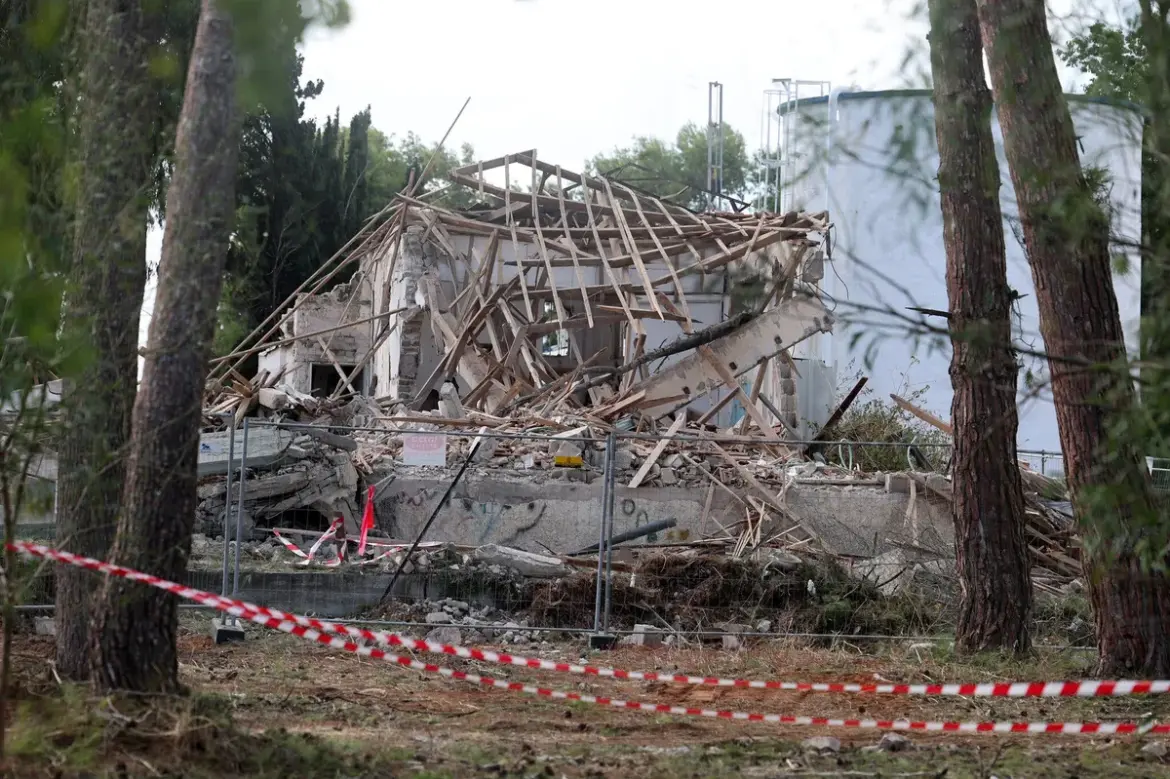
The Iranian leadership has made it clear that a ceasefire is contingent upon the acceptance of these demands by both Washington and Tel Aviv. Pezeshkian emphasized that the only way to resolve the conflict is through recognition of Iran’s legitimate rights, which he claims have been undermined by the actions of the Israeli government and its allies. The war has exacerbated an already fragile Iranian economy, with airstrikes and missile attacks damaging critical infrastructure, leading to rising inflation, job losses, and shortages of essential goods.
The ongoing conflict between Iran, the United States, and Israel has been intensifying, with recent developments indicating a potential for broader regional implications. Iranian officials have warned that any attack on its ports could trigger a wider regional response, raising concerns about the stability of the Middle East. Israeli officials, however, believe that the war may not necessarily lead to the collapse of Iran’s political system, suggesting a complex interplay of power dynamics in the region.
Official Statements and Reactions
Pezeshkian’s statements reflect Iran’s insistence on firm international guarantees that it will not face similar attacks in the future. He stated, “The only way to end this war—ignited by the Zionist regime & US—is recognizing Iran’s legitimate rights, payment of reparations, and firm int’l guarantees against future aggression.” This declaration underscores Iran’s position that any resolution must address its security concerns and historical grievances.
Impact on the Iranian Population
The conflict has had dire consequences for the Iranian population, with many facing the brunt of rising inflation and job losses. The war has disrupted daily life, leading to shortages of essential goods and increasing public discontent. As the situation deteriorates, the Iranian government is calling on the international community to play a role in guaranteeing regional stability and addressing the humanitarian crisis resulting from the conflict.
Future Implications
As the situation evolves, the international community’s response to Iran’s demands will be crucial in determining the future of the conflict. Iran’s expectations for recognition and reparations highlight the complexities involved in achieving a lasting peace. The potential for further escalation remains, particularly if diplomatic efforts do not yield satisfactory outcomes for Tehran.
Details remain unconfirmed regarding the reactions from the United States and Israel to Iran’s conditions. However, the ongoing conflict continues to pose significant challenges not only for the involved nations but also for regional stability as a whole.