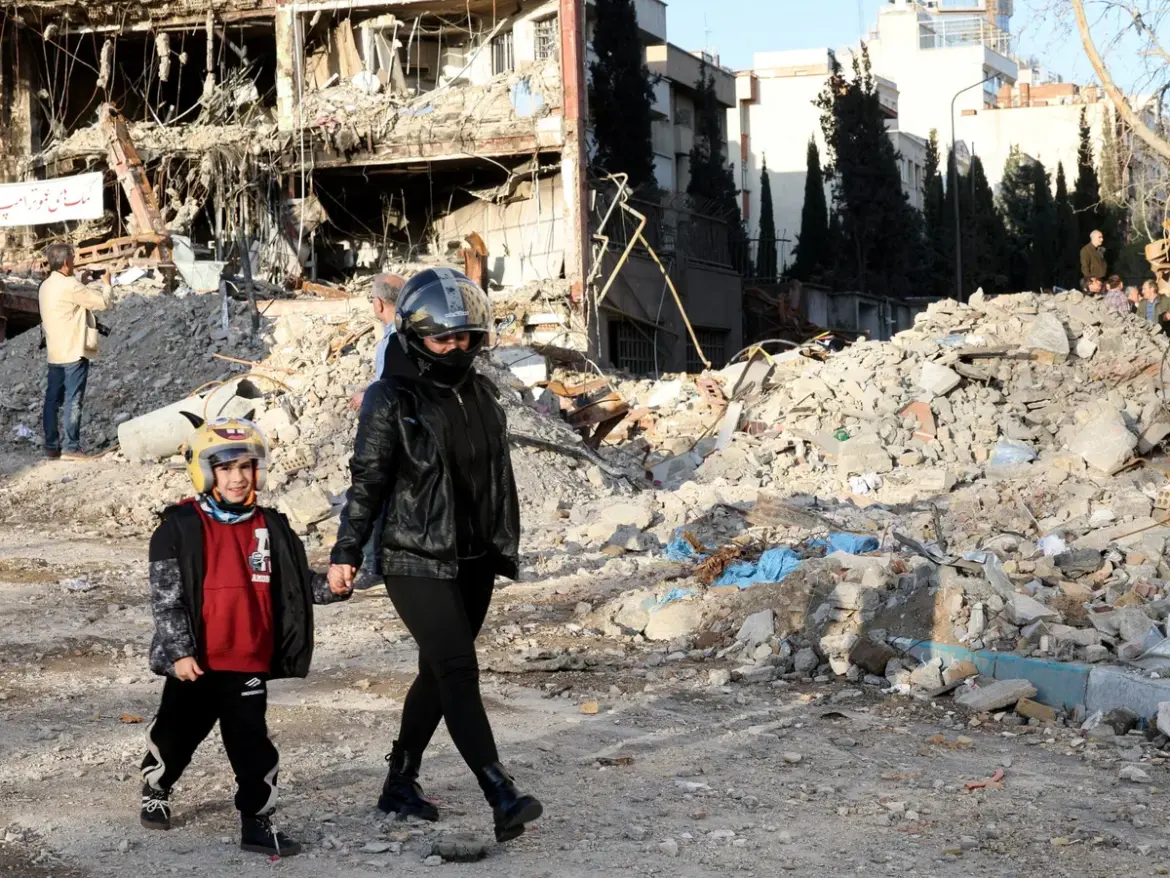
The ongoing conflict between Israel and Iran has reached a critical juncture, particularly in the strategically vital Strait of Hormuz, where tensions are threatening global oil shipping and regional stability. Recent reports indicate that the United States and Israel have intensified their military operations against Iran, leading to a significant escalation in hostilities.
As of March 26, 2026, the US has successfully targeted two-thirds of Iran’s missile and drone production facilities, a move that has provoked retaliatory strikes from Iran against Israel and several Gulf nations. Iranian Foreign Minister Abbas Araghchi has made it clear that Tehran will continue its “resistance” and has no intention of entering negotiations, further complicating the situation.
The Gulf Cooperation Council has condemned Iran’s military actions, particularly its closure of the Strait of Hormuz, which is a crucial waterway for global oil shipping. The conflict has become a direct threat to Gulf security, shipping, and the global economy, as highlighted by Jasem AlBudaiwi, a prominent figure in the region.
In a recent incident, a Thai-flagged cargo vessel was struck by projectiles in the Strait of Hormuz, resulting in the vessel running aground near Iran’s Qeshm Island. Of the 20 crew members aboard, three are reported missing, while six others were wounded in the attack. This incident underscores the increasing dangers faced by commercial shipping in the area.
The International Atomic Energy Agency (IAEA) has expressed deep concern over military strikes occurring near Iran’s Bushehr Nuclear Power Plant, raising alarms about potential nuclear safety risks amidst the ongoing conflict. Rafael Grossi, the IAEA Director General, has voiced his apprehensions regarding the implications of these military actions.
Amidst these developments, former President Donald Trump has indicated that US military operations against Iran are ahead of schedule, suggesting a potential escalation in the US’s involvement in the region. Additionally, Hezbollah has vowed to continue its confrontation against both Israel and the US, further complicating the already volatile situation.
Iran has also issued warnings that its enemies may attempt to occupy one of its islands with support from a regional country, adding another layer of tension to the conflict. In response, the Iranian parliament is preparing a draft law to collect tolls from ships transiting the Strait of Hormuz, a move that could impact international shipping routes.
As the situation evolves, the stakes continue to rise, with the potential for further military engagements and economic repercussions. Details remain unconfirmed regarding the full extent of military actions and their implications for regional stability.