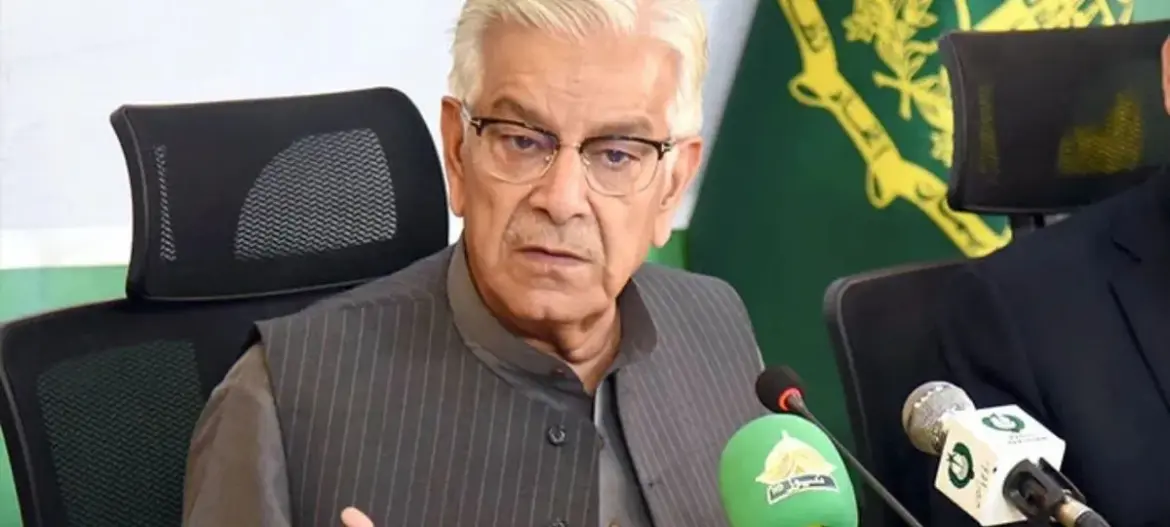
In a significant escalation of rhetoric, Khawaja Asif, Pakistan’s Defence Minister, recently made alarming statements regarding India’s military intentions. Speaking to reporters in Sialkot, Asif warned that Pakistan would respond with a strike on Kolkata in the event of a future conflict with India. This warning comes against the backdrop of heightened tensions following the Pahalgam attack, which had previously sparked a four-day conflict between the two nations.
Asif’s comments were a direct response to Indian Defence Minister Rajnath Singh’s assertion about taking ‘unprecedented action’ in the face of perceived threats. Asif claimed that India is allegedly planning false flag operations, suggesting that India could stage incidents involving detained Pakistanis to justify military action.
He stated, “If India tries to stage any false flag operation this time, then God-willingly, we will take it to Kolkata.” This statement underscores the seriousness with which Pakistan views the current geopolitical climate and the potential for conflict.
Moreover, Asif emphasized that Pakistan’s response to any attack from India would be ‘swift, calibrated, and decisive.’ However, he did not provide evidence to substantiate his claims regarding India’s supposed plans, leaving some details unconfirmed.
The current state of affairs is particularly precarious, as both nations remain on high alert. The rhetoric from both sides indicates a willingness to engage militarily, which could have dire consequences for regional stability.
As tensions continue to rise, the implications of Asif’s statements are profound. They not only reflect the strained relationship between Pakistan and India but also highlight the potential for miscalculations that could lead to armed conflict.
In the wake of these developments, observers are closely monitoring the situation, as any military engagement could have far-reaching consequences not just for the two countries involved, but for the entire South Asian region.
As the situation unfolds, the international community watches with concern, hoping for a de-escalation of tensions and a return to dialogue rather than conflict.