Kirti Azad’s criticism is rooted in his experience as a member of the 1983 World Cup-winning team, which included players from diverse religious backgrounds. Azad, who was part of that historic squad, has expressed concern over the representation of all Indians in the realm of sports.
Recent Developments
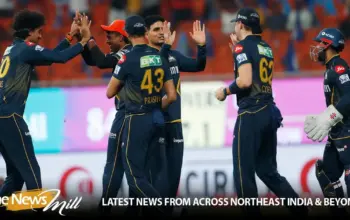
On March 8, 2026, the Indian cricket team celebrated their victory over New Zealand, securing their third T20 World Cup title. Following this win, the team took the trophy to the Hanuman Temple in Ahmedabad for blessings, a move that has sparked significant debate.
Kirti Azad criticized this decision, stating, “This Team Represents INDIA — not Surya Kumar Yadav’s or Jay Shah’s Family!” He emphasized that the trophy belongs to “1.4 BILLION Indians of EVERY Faith — NOT ONE RELIGION’S VICTORY LAP!” Azad’s remarks highlight his belief that sports should transcend religious and caste boundaries.
Azad further elaborated on his stance, asserting, “A sportsperson or sports does not belong to any religion or caste but only to the sport.” His comments reflect a broader concern about the inclusivity of sports in India, especially in a country with a rich tapestry of religious diversity.
During the 1983 World Cup, Azad noted that the Indian team comprised players from various faiths, including Hindu, Muslim, Sikh, and Christian backgrounds. This historical context underscores his argument for a more inclusive representation in contemporary sports celebrations.
Looking Ahead
As the discussion around the trophy’s temple visit continues, observers are keen to see how the Indian cricket board and team management will respond to Azad’s criticisms. The incident has opened up a dialogue about the intersection of sports and religion in India, and many are watching closely for any changes in policy or approach in the future.