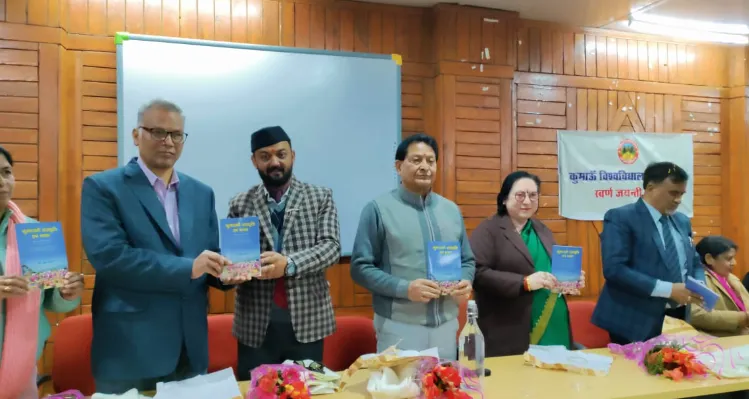
In a significant development, Kumaun University in Nainital has appointed Nandan Singh Bisht as the new deputy controller of examinations on March 24, 2026. This appointment coincides with the university’s approval of a comprehensive faculty evaluation system designed to enhance academic standards and accountability.
The newly established evaluation system employs a 100-point scale, where faculty members are assessed based on their performance. Teachers scoring below 60 percent will face serious repercussions, including withheld salary increases and potential compulsory retirement. Conversely, those achieving above 75 percent will be recognized with a certificate of appreciation, incentivizing high performance.
In addition to the scoring system, each faculty member is now required to present at least once at a national or international conference, further emphasizing the university’s commitment to research and academic engagement. Stricter criteria have also been introduced for higher research degrees such as D Sc. and DLitt, requiring a minimum of 12 years of experience.
The recent meeting also resulted in the promotion of seven teachers under the Career Advancement Scheme, reflecting the university’s ongoing efforts to reward and retain quality educators. Diwan Singh Rawat, a key figure in the decision-making process, stated, “These decisions taken as a whole, represent an important initiative toward strengthening academic excellence, research quality, transparency and accountability at the university.”
These changes come at a time when Kumaun University is striving to improve its academic reputation and research output, aligning with broader educational reforms in Uttarakhand. The state, known for its multiethnic population, has been focusing on enhancing educational standards to better serve its diverse communities.
As the university implements these new measures, the impact on faculty morale and student outcomes will be closely monitored. The administration’s commitment to transparency and accountability suggests a proactive approach to addressing challenges in higher education.
While the immediate reactions from faculty members have yet to be fully gauged, the university’s leadership appears optimistic about the potential benefits of these reforms. The overarching goal is to foster an environment that prioritizes academic rigor and research excellence, which is essential for the institution’s future growth.
Details remain unconfirmed regarding how these changes will specifically affect current faculty contracts and the overall academic landscape at Kumaun University.