How it unfolded
In recent months, the geopolitical landscape surrounding energy supplies has shifted dramatically, particularly affecting liquefied natural gas (LNG) markets. Just before the key developments unfolded, Qatar was a leading supplier of LNG, providing around 40% of India’s needs. However, escalating tensions in the region, particularly involving Iran, have led to significant disruptions in this vital supply chain.
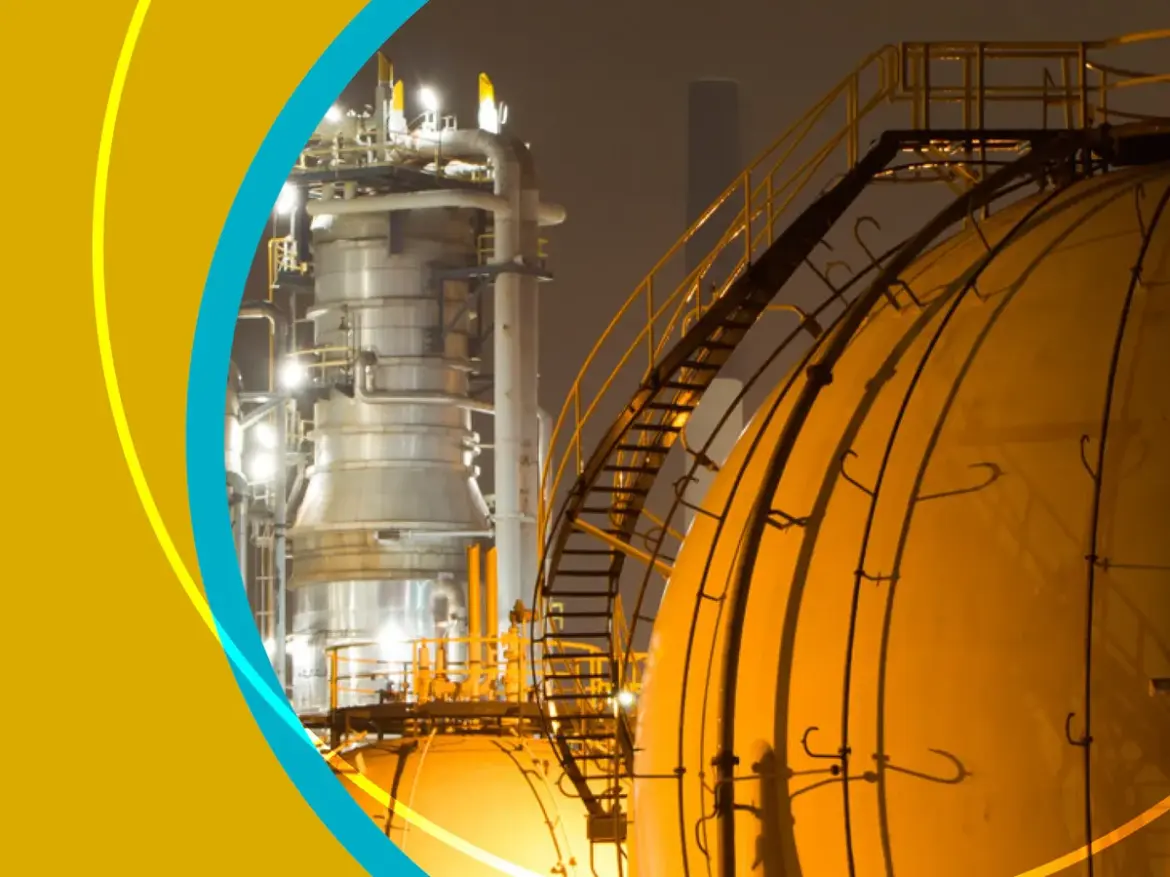
On a fateful day, Iranian attacks targeted Qatar’s Ras Laffan LNG hub, resulting in severe damage that has sidelined 17% of Qatar’s LNG capacity. QatarEnergy CEO Saad al-Kaabi remarked, “never in my wildest dreams” did he expect such a disruption. The attacks not only crippled Qatar’s ability to supply LNG but also rendered the Strait of Hormuz nearly impassable, a crucial passage for energy supplies, affecting 40% to 50% of India’s crude imports.
The implications of these events have been immediate and far-reaching. Following the news of the LNG outage, European gas prices surged by 35%, reflecting the heightened anxiety in global energy markets. As the situation escalated, Brent crude prices briefly rose more than 10% to above $119 per barrel, signaling the market’s response to the instability in the Middle East.
India, heavily reliant on LNG imports, is now facing a precarious situation. With 90% of its LPG imports transiting through the Strait of Hormuz, the disruption poses a significant risk to India’s energy security. In response, India is actively seeking alternative sources for LNG and LPG to mitigate the impact of these supply disruptions. Sujata Sharma, an industry expert, noted, “We are trying to pick up the cargoes from other sources,” highlighting the urgency of India’s search for energy alternatives.
Furthermore, India has increased its domestic LPG production from refineries by about 36% to counterbalance the supply loss. However, the damage to Ras Laffan is expected to create a multi-year supply loss in the LNG market, with repairs projected to take between 3 to 5 years, as stated by al-Kaabi.
As the situation continues to evolve, the potential for further disruptions looms large. Sumit Ritolia, an energy analyst, warned that if the disruption through Hormuz persists, Indian buyers may need to procure higher-priced spot cargoes or reduce consumption, further straining the country’s energy resources. The top five import sources of crude petroleum for India—Russia, Iraq, Saudi Arabia, UAE, and the USA—account for around 83% of its imports, underscoring India’s vulnerability to disruptions in the Middle East.
In light of these developments, the international community is closely monitoring the situation. India had previously called for the avoidance of targeting civilian infrastructure, including energy infrastructure, across the region, emphasizing the need for stability in energy supplies. As the crisis unfolds, the interconnectedness of global energy markets becomes increasingly evident, with repercussions felt far beyond the immediate region.