Introduction
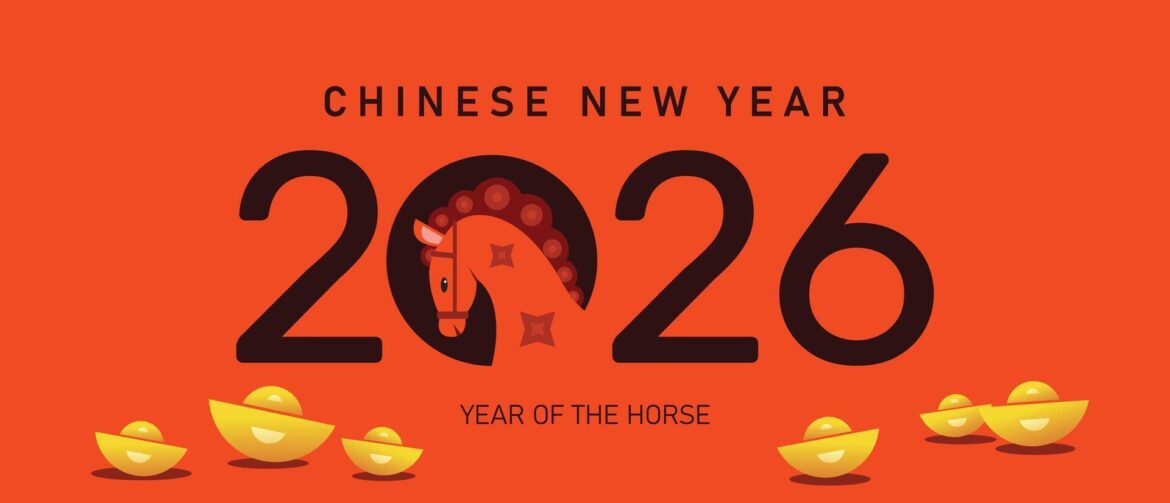
The Lunar New Year, also known as Chinese New Year or Spring Festival, is a significant cultural event celebrated by millions around the world. In 2026, the Lunar New Year will fall on February 17, welcoming the Year of the Fire Horse. This auspicious occasion is marked by various festivities and traditions that, for many, serve as an important time for family reunions and cultural reflection.
The Significance of the Year of the Fire Horse
The Chinese zodiac is composed of twelve animal signs, and each sign is associated with one of the five elements: wood, fire, earth, metal, and water. The combination of the Fire element with the Horse sign is believed to create a vibrant and dynamic year. Individuals born under this sign are often characterised as energetic, intelligent, and passionate. According to Chinese astrology, the Year of the Fire Horse will bring opportunities for personal and professional growth, although it may also require individuals to navigate challenges with diligence and finesse.
Festivities and Cultural Practices
In the lead-up to Lunar New Year 2026, various activities will take place, reflecting the rich traditions associated with this celebration. Families typically begin their preparations weeks in advance, cleaning their homes to sweep away any bad luck and making space for incoming fortune. Festive decorations featuring red and gold, symbols of prosperity and happiness, will adorn homes and streets.
On New Year’s Eve, families gather for a reunion dinner, often enjoying traditional dishes such as dumplings, fish, and rice cakes, each symbolising wealth, prosperity, and good fortune. The dawn of the new year is often celebrated with fireworks, lion dances, and cultural performances that seek to secure blessings for the year ahead.
Global Celebrations
As the Lunar New Year is celebrated in multiple countries beyond China, including Vietnam, South Korea, and Singapore, a variety of local customs and practices emerge. Each culture offers unique traditions that add to the festive atmosphere. In cities with significant Asian communities, public celebrations often include parades, food festivals, and cultural showcases that attract people from all backgrounds.
Conclusion
The Lunar New Year 2026 promises to be a vibrant reflection of tradition and community spirit, providing an opportunity for individuals and families to come together and celebrate. As anticipation builds, the significance of this festival transcends geographical boundaries, allowing everyone to participate in the joy and resilience of diverse cultures. With its emphasis on renewal and hope for the future, the Year of the Fire Horse invites a time of reflection, gratitude, and unity amongst families and communities.