The wider picture
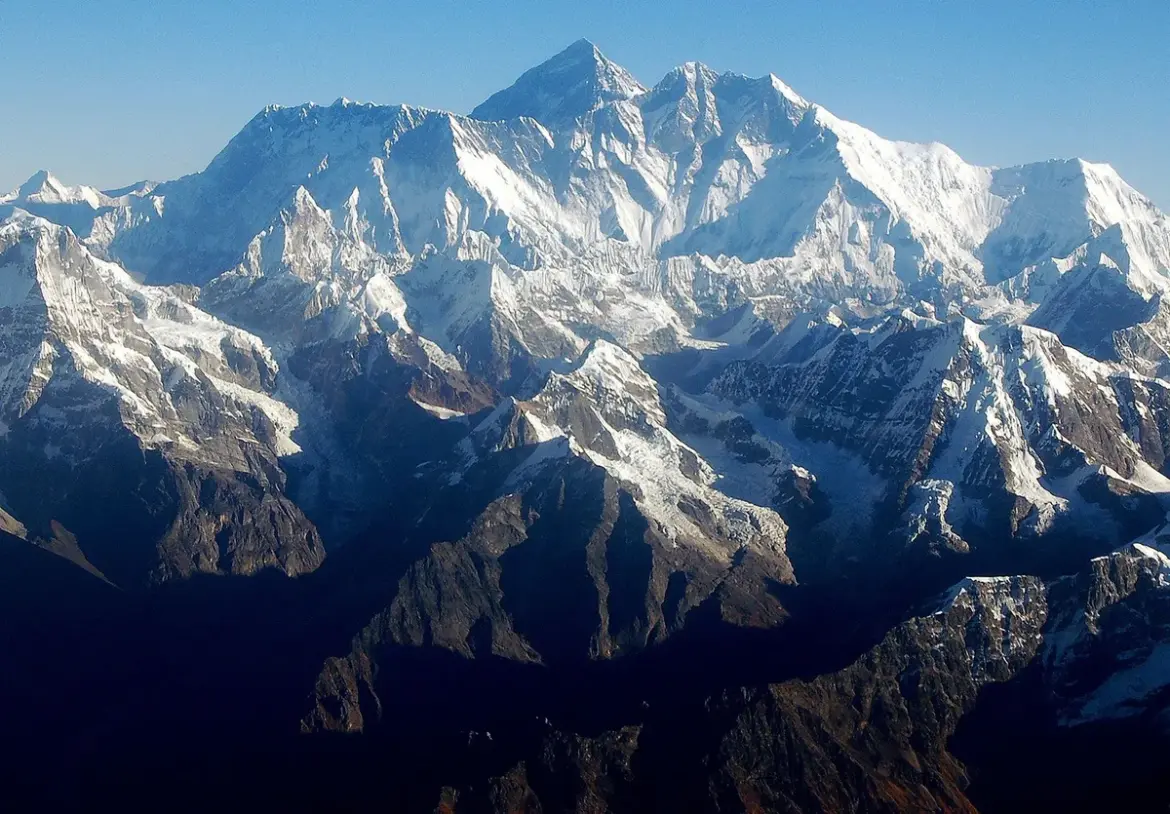
Mount Everest, the world’s highest peak, has long been a symbol of adventure and human endurance. However, recent developments have cast a shadow over its reputation. An alleged $20 million insurance scam has emerged, involving staged rescues and fraudulent insurance claims that have systematically defrauded foreign tourists. This scandal has raised serious concerns about the safety and integrity of the climbing industry in Nepal.
On April 3, 2026, Nepal’s Central Investigation Bureau announced the arrest of ten individuals connected to this extensive insurance fraud. The investigation revealed that 32 guides have been charged, with nearly 4,800 international climbers treated at hospitals implicated in the scam between 2022 and 2025. The fraud involved faking documents and forging passenger and cargo manifests, leading to a web of deceit that has shaken the trust of climbers worldwide.
According to a spokesperson from Nepal’s Central Investigation Bureau, “Foreign tourists were systematically defrauded.” This statement underscores the gravity of the situation, as it highlights the vulnerability of climbers who seek to conquer the formidable heights of Everest. Some guides allegedly resorted to poisoning clients to create fake emergencies, enabling them to file fraudulent insurance claims. This shocking revelation has prompted the Nepali government to investigate fraudulent helicopter rescues totaling $19 million.
In response to the unfolding crisis, Balendra Shah, who became Prime Minister of Nepal in March 2026, is pushing for reforms in the Everest climbing industry. His administration aims to restore integrity and safety to a sector that has been tarnished by this scandal. As part of these reforms, the use of drones to transport supplies on Everest has been introduced, signaling a shift towards modernizing the climbing experience while enhancing safety measures.
Meanwhile, climbers continue to pursue their ambitious goals on Everest. Notably, Kristin Harila is attempting a no-oxygen ascent of Everest, Lhotse, and Nuptse in 2026, while a Romanian climber plans to walk nearly 1,300 miles from sea level to Everest. Additionally, Nepali climbers are organizing an adventure called Summit to Sea, aimed at raising awareness for river health. These endeavors reflect the enduring spirit of adventure, even amid the ongoing investigation into the insurance scam.
As the investigation unfolds, more details are expected to emerge regarding the full extent of the scam and the number of individuals involved. Observers are keenly watching how the Nepali government will address the issues raised by this scandal and what measures will be implemented to prevent similar occurrences in the future. The Nepal police spokesperson noted, “Hospitals, helicopter operators, and guides are also linked in this chain,” indicating a broader network of complicity that may take time to unravel.
The implications of this scandal extend beyond the immediate financial losses. Mingma David Sherpa, a prominent figure in the climbing community, emphasized the need for reform, stating, “We need to reduce the number of people dying.” This sentiment resonates deeply within the climbing community, where safety is paramount. As the investigation continues, the focus remains on restoring trust and ensuring that Mount Everest remains a destination for genuine adventure seekers rather than a backdrop for fraudulent schemes.
Details remain unconfirmed regarding the full scope of the insurance scam, but the ongoing investigation by Nepal’s Central Investigation Bureau is expected to shed light on the complexities of this case. As the world watches, the future of climbing on Mount Everest hangs in the balance, with the hope that necessary reforms will pave the way for a safer and more transparent climbing experience.