The numbers
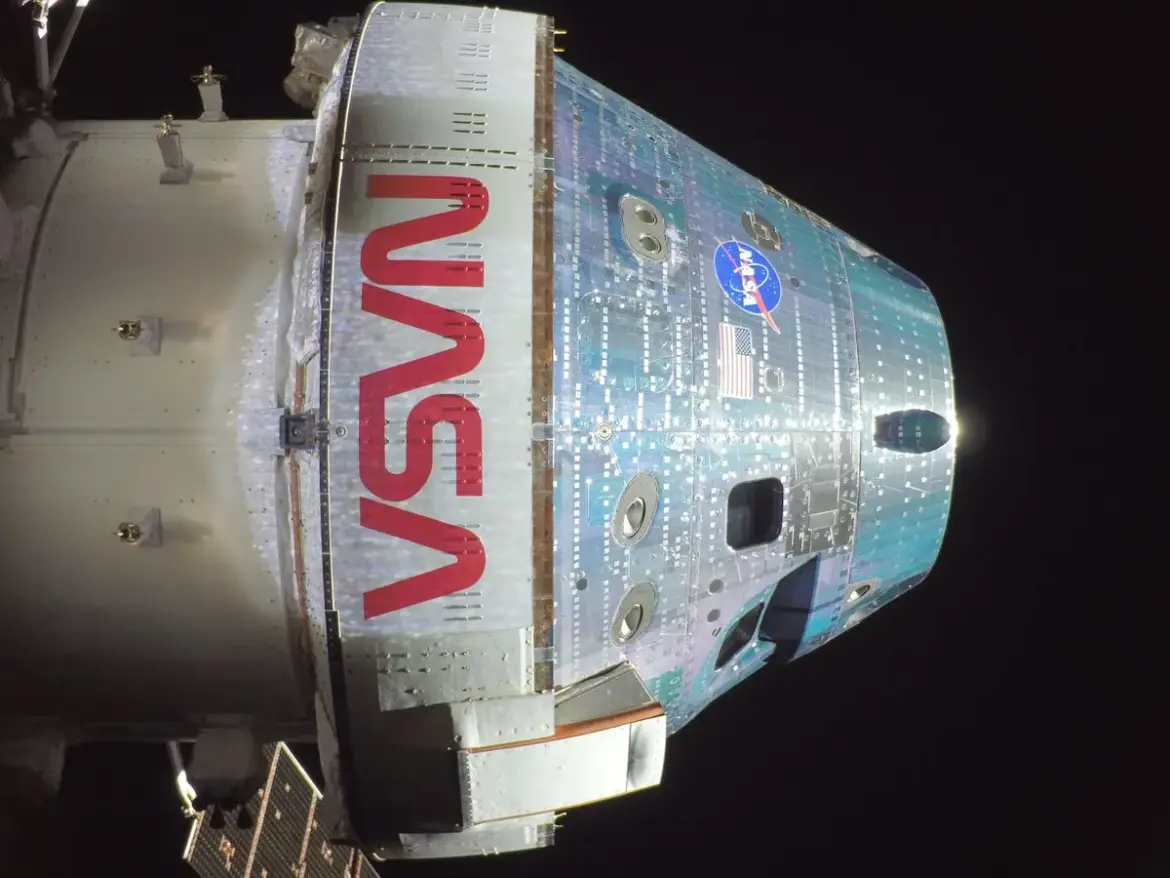
The Artemis II mission has launched four astronauts on a groundbreaking journey around the moon, marking a pivotal moment in NASA’s lunar exploration efforts. As of April 4, 2026, the Orion spacecraft was more than 160,000 miles from Earth and less than 120,000 miles from the moon, having passed the halfway point of their voyage just two days and five hours after liftoff.
The crew includes NASA astronauts Reid Wiseman, Victor Glover, and Christina Koch, alongside Canadian astronaut Jeremy Hansen. Wiseman expressed the awe of space travel, stating, “It was really great to wake up this morning and look out the window and see the full moon off the front of the vehicle.” Meanwhile, Koch noted, “We can see the Moon out of the docking hatch right now, it is a beautiful sight.” This mission not only aims to achieve a lunar flyby but also to test various systems and protocols in a real space environment.
On April 6, 2026, the Artemis II crew will conduct a lunar flyby, reaching a closest approach of 4,066 miles from the Moon. This mission is particularly notable as it is expected to surpass the Apollo 13 distance record by 4,102 miles, a significant achievement in the history of human spaceflight. During this flyby, the astronauts will also have the unique opportunity to observe a solar eclipse from space, adding to the mission’s significance.
As the Orion spacecraft continues its journey, it will experience a communications blackout when it passes behind the Moon, a moment that has historically posed challenges for space missions. Mission Control has already reminded the crew, “You are now closer to the moon than you are to us on Earth,” highlighting the distance and the isolation of space travel.
In preparation for potential medical emergencies, the crew practiced CPR in space and tested medical equipment from the Orion medical kit. This proactive approach underscores the importance of safety and readiness in space missions, especially as they venture further from Earth.
Additionally, the Orion Artemis II Optical Communications System has already surpassed 100 gigabytes of data downlinked during the mission, demonstrating the advancements in communication technology that are vital for future explorations. NASA has emphasized that the astronauts are on a ‘free-return’ trajectory, utilizing the Moon’s gravity to return to Earth without propulsion, ensuring a safer return path.
As the mission progresses, observers are keenly watching for updates on the crew’s experiences and the performance of the spacecraft systems. The Artemis II mission is a significant step forward in NASA’s Artemis program, which aims to return humans to the Moon and eventually pave the way for future missions to Mars. Details remain unconfirmed regarding the long-term implications of this mission, but the excitement surrounding it continues to grow.