The Van Allen Probes and Their Mission
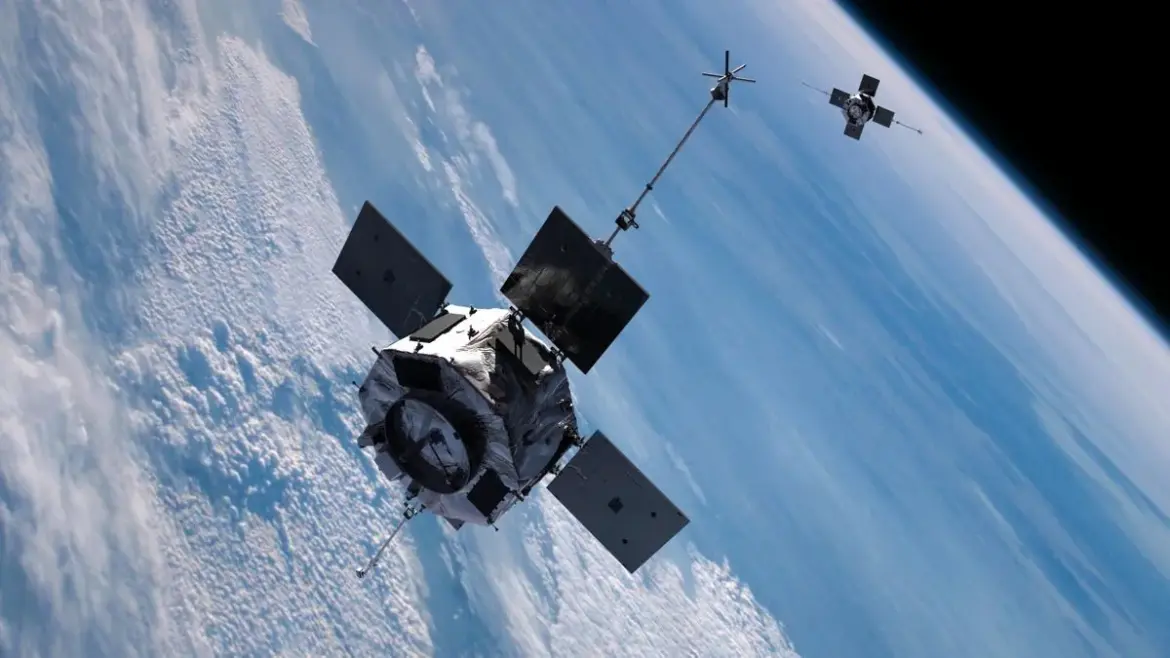
The Van Allen Probes, originally known as the Radiation Belt Storm Probes, were launched in August 2012 to study the radiation belts surrounding Earth. These satellites were designed to collect data about space weather, which is crucial for understanding how solar activity affects satellites, astronauts, and various systems on Earth, including communications, navigation, and power grids. The mission was initially intended to last for two years but was extended until 2019, when both probes were deactivated.
Breaking Development: Reentry of Van Allen Probe A
On March 11, 2026, at 6:37 a.m. EDT, Van Allen Probe A reentered the Earth’s atmosphere, marking the end of its nearly 14-year mission. The satellite, which weighed 1,323 pounds (600 kilograms), was closely monitored during its descent by NASA and the U.S. Space Force. NASA officials expressed confidence that most of the spacecraft would burn up upon reentry, although some components might have survived the intense heat.
Safety Concerns and Monitoring
Prior to the reentry, NASA assessed the risks associated with the satellite’s descent. They indicated that there was a 1-in-4,200 chance that Van Allen Probe A could cause harm to anyone on the ground. NASA officials reassured the public, stating, “There’s just a 1-in-4,200 chance that Van Allen Probe A will hurt anyone during its reentry.” This low probability reflects the extensive safety measures and monitoring protocols in place for satellite reentries.
Scientific Importance of the Mission
The data collected by the Van Allen Probes has been invaluable for scientists studying the radiation belts. By reviewing archived data from the mission, researchers can better understand how solar activity impacts various systems on Earth. This knowledge is essential for predicting potential disruptions caused by solar storms, which can affect everything from satellite operations to power grid stability.
Expert Opinions on Satellite Reentries
Experts in the field have noted that satellite reentries are relatively common occurrences and typically do not pose significant risks to people on Earth. They emphasize that the majority of satellites that reenter the atmosphere burn up completely, minimizing any potential danger. As one expert stated, “Experts say satellite re-entries are fairly common and rarely pose any real danger to people on Earth.” This perspective helps to alleviate public concern regarding the safety of satellite operations.
Looking Ahead
As the space industry continues to evolve, the lessons learned from missions like the Van Allen Probes will inform future satellite designs and operational protocols. NASA and other space agencies will likely continue to monitor the reentry of decommissioned satellites to ensure public safety and enhance understanding of space weather phenomena. The ongoing research stemming from the Van Allen Probes mission will remain a cornerstone of space weather studies for years to come.
The reentry of Van Allen Probe A serves as a reminder of the complexities involved in space missions and the importance of monitoring satellite behavior. While the satellite’s crash into the eastern Pacific Ocean marks the end of its mission, the data and insights gained from its nearly 14 years in orbit will continue to benefit scientific research and public safety in the realm of space exploration.