Introduction
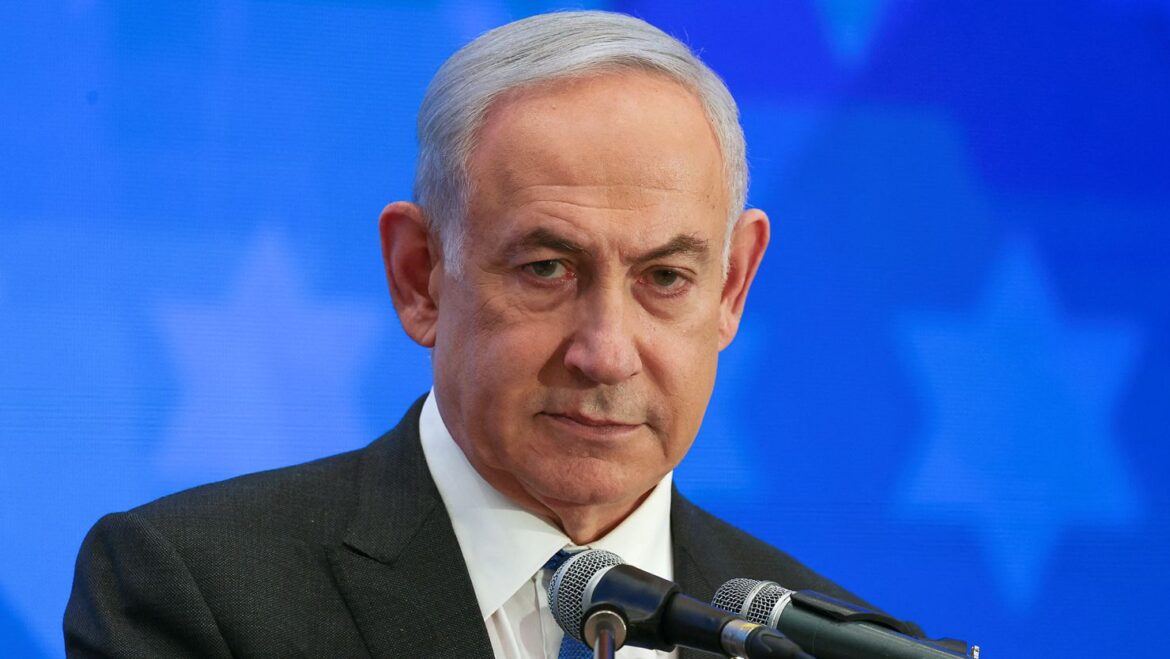
Benjamin Netanyahu, Israel’s Prime Minister, has been a pivotal figure in Israeli politics for decades. His leadership has significantly shaped not only domestic policy but also international relations. As he navigates a series of challenges, including protests, political rivalries, and international scrutiny, the impact of his decisions is critical for the future of Israel.
Current Political Climate
In recent months, Netanyahu has faced unprecedented protests against his government’s proposed judicial reforms, which many critics argue could undermine the independence of the judiciary. These reforms have sparked widespread opposition, leading to mass demonstrations across Israel, drawing attention not just locally but also from the international community.
Netanyahu’s coalition government, which includes several right-wing parties, has been pushed to defend the reforms as necessary for political stability and efficient governance. However, the backlash raises questions about the sustainability of his administration in the face of such mass dissent. The protests have been marked by the involvement of diverse groups within Israeli society, transcending traditional political affiliations.
International Relations
Netanyahu’s tenure has also seen shifts in Israel’s approach to international alliances. The ongoing tensions with the Palestinian territories, particularly in light of new settlement expansions in the West Bank, have stoked further criticism from leaders around the globe. Additionally, Netanyahu’s recent visits to Arab nations, strengthening ties through the Abraham Accords, reflect Israel’s strategic pivot towards building relationships in the Middle East. However, each move is critically examined in the context of domestic pressures and backlash.
Outlook and Conclusion
Looking forward, Netanyahu faces a pivotal juncture in his political career. The outcome of the ongoing protests and the government’s response to civil unrest could dictate the longevity of his political capital. Additionally, the sensitivity surrounding Palestinian relations and international diplomacy presents formidable challenges that require careful navigation.
As Israel approaches another election cycle, Netanyahu’s strategies and decisions could significantly affect both his political future and the broader stability of the region. For readers following Israeli politics, monitoring these developments is crucial, as they not only shape the national landscape but also influence international relations and peace efforts in the Middle East.