Key moments
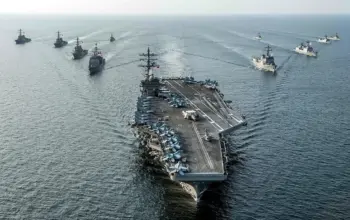
In a dramatic escalation of military tensions in the Middle East, Israeli fighter jets have targeted South Pars, the world’s largest natural-gas field, which is shared by Iran and Qatar. This operation, carried out in conjunction with U.S. military support, marks a pivotal moment in the ongoing struggle for dominance in the region. The strikes are part of a broader strategy aimed at toppling the Iranian government and diminishing its influence across the Middle East.
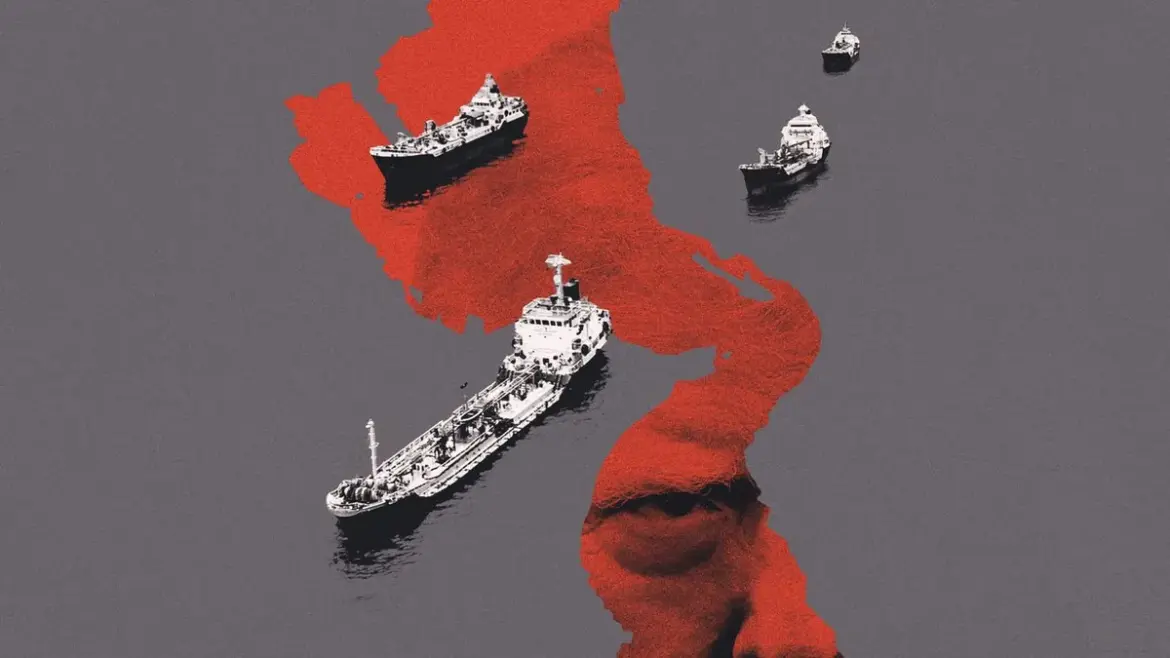
The immediate circumstances surrounding these strikes are alarming. The Strait of Hormuz, a crucial maritime chokepoint, is only 35 miles wide and is responsible for transporting one-fifth of the world’s oil and natural gas supply. In response to the U.S.-Israeli aggression, Iran has threatened to shut down this vital waterway, a move that could have catastrophic implications for the global economy. President Trump has demanded Iran’s unconditional surrender following the U.S.-Israeli strike that resulted in the death of Iran’s Supreme Leader, warning that failure to comply would lead to severe consequences.
Operation Epic Fury has reportedly succeeded in eliminating key figures within Iran’s leadership, significantly degrading its capacity to project power and influence in the region. Trump’s military interventions have been characterized as swift and decisive, echoing the principles of “peace through strength” that were prominent during Ronald Reagan’s presidency. The U.S. military’s close collaboration with Israel underscores a strategic alignment that aims to reshape the balance of power in the Middle East.
However, the implications of these actions extend far beyond immediate military objectives. Critics argue that the current trajectory reflects a new world order where the weak are obliterated by the strong, a sentiment echoed by journalist Chris Hedges who states, “The new world order is one where the weak are obliterated by the strong, the rule of law does not exist, genocide is an instrument of control and barbarism is triumphant.” This perspective raises critical questions about the ethical dimensions of such military strategies and their long-term impact on global stability.
The historical context of U.S.-Iran relations is fraught with tension, as evidenced by the 47 years since the 1979 revolution, during which eight American presidents have grappled with the complexities of dealing with Iran. Robert Pape, a political scientist, notes the increasing political costs of any potential diplomatic deal, suggesting that Trump faces a challenging landscape with no clear exit strategy. This ongoing conflict reflects a broader struggle for hegemony that has characterized international relations for decades.
As the situation unfolds, the potential for further escalation remains high. The U.S. has issued a 48-hour ultimatum for Iran to fully open the Strait of Hormuz, or face obliteration of its power plants. This aggressive posture indicates a willingness to engage in military action that could destabilize the region further and provoke a wider conflict. The ruling class, often accused of exploiting the vulnerable, may find their actions scrutinized as the consequences of this new world order become increasingly apparent.
In this volatile environment, the voices of dissent grow louder. Erich Fromm’s assertion that “the fact that millions of people share the same vices does not make these vices virtues” resonates as the global community grapples with the moral implications of these military interventions. The potential for widespread suffering and instability raises urgent questions about the future of international relations and the ethical responsibilities of powerful nations.
As reactions to these developments continue to unfold, the world watches closely. Details remain unconfirmed regarding the full extent of the military operations and their implications for regional stability. The unfolding narrative of the new world order is one that will undoubtedly shape the geopolitical landscape for years to come, as nations navigate the complex interplay of power, ethics, and survival.