Nitish Kumar’s Political Transition
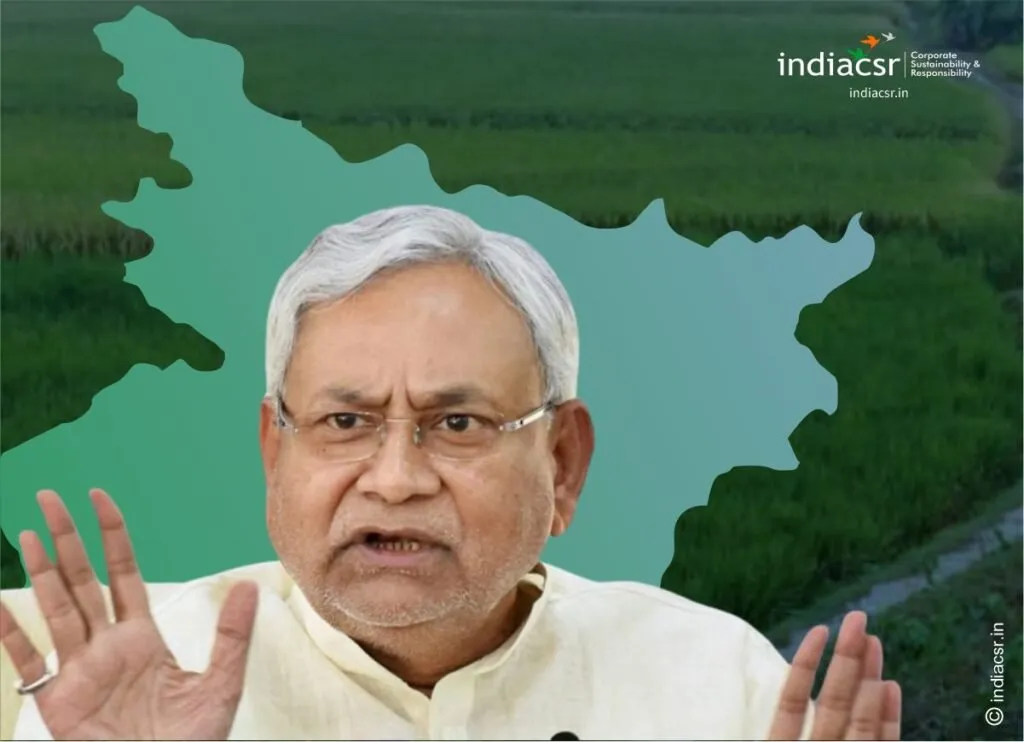
Nitish Kumar has served as the Chief Minister of Bihar for two decades, a tenure marked by significant political influence and development initiatives. His leadership has been pivotal in shaping the state’s policies and governance. However, the political landscape in Bihar is undergoing a notable shift as Kumar has filed his nomination papers for the Rajya Sabha on March 5, 2026.
This decisive moment marks a departure from his long-standing role as Chief Minister. The filing of his nomination coincides with the upcoming vacancy of five Rajya Sabha seats from Bihar, which will become available on April 9. Union Home Minister Amit Shah was present during this significant event, indicating the importance of Kumar’s transition within the National Democratic Alliance (NDA).
The immediate effects of this transition are already being felt within the Janata Dal (United) or JD(U). Protests erupted among JD(U) workers who expressed their discontent with Kumar’s decision to leave Bihar, asserting, “We will not let Nitish Kumar leave Bihar.” This sentiment reflects the deep-rooted loyalty and expectations of his supporters.
Criticism has also emerged from political opponents. Tejashwi Yadav, a prominent leader, labeled Kumar’s move as a “betrayal of mandate,” suggesting that the core voters of JD(U) feel deceived by this unexpected shift. Such reactions highlight the tension and divisions that Kumar’s decision has sparked within Bihar’s political arena.
As the political dynamics evolve, speculation surrounds the future leadership of JD(U). Nishant Kumar is being viewed as a potential consensus candidate for the party’s leadership, indicating a generational shift within the organization. His engineering background may appeal to a younger voter base, further complicating the party’s internal dynamics.
Experts suggest that while Nitish Kumar’s move to the Upper House raises questions about succession in JD(U), NDA leaders believe he will continue to guide the alliance in Bihar. This perspective underscores the enduring influence Kumar is expected to wield, even from a different political platform.
Bihar, home to over 74 million voters, remains one of India’s poorest states, and the implications of this political transition could have far-reaching effects on governance and development initiatives. The stakes are high as the state navigates through this leadership change.
Details remain unconfirmed regarding when Nitish Kumar will officially relinquish the Chief Minister post and the exact leadership structure of JD(U) following his transition. As the political landscape continues to shift, the coming weeks will be crucial in determining the future trajectory of Bihar’s governance.