How it unfolded
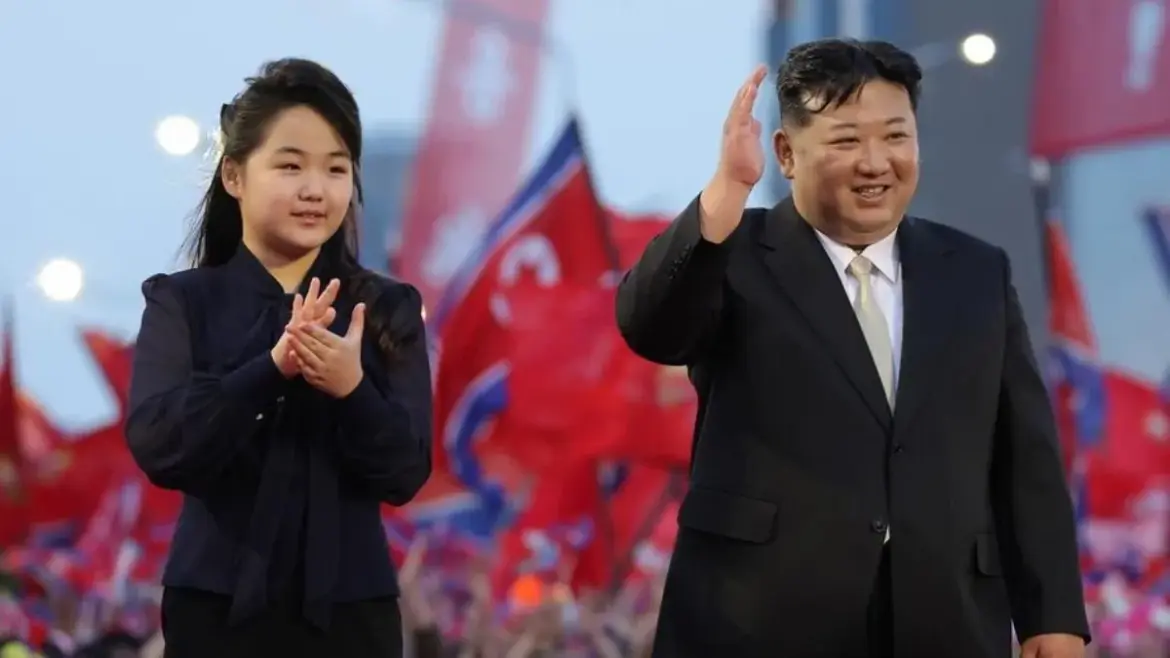
As North Korea approached the parliamentary elections on March 15, 2026, the political atmosphere was charged with anticipation, albeit within the confines of a tightly controlled regime. The elections were held for the Supreme People’s Assembly, a body that has historically served as a rubber stamp for the decisions of the ruling Workers’ Party of Korea. Kim Jong Un, who has been in power since 2011 following the death of his father, Kim Jong Il, was poised to reaffirm his leadership through this electoral process.
On the day of the elections, reports indicated an astonishing voter turnout of 99.99%. This figure, while impressive, is typical for North Korea, where the electoral process is heavily monitored and dissent is not tolerated. The elections allowed for a binary choice, as candidates were pre-selected by the Workers’ Party, leaving voters with little room for genuine political expression.
In a notable development, Kim Jong Un secured 99.93% of the votes cast, a statistic that underscores the regime’s grip on power. However, for the first time since 1957, a small fraction of voters—0.07%—chose to reject the official candidates. This acknowledgment of dissenting votes, albeit minimal, marks a significant shift in the electoral landscape of North Korea, suggesting a potential, albeit limited, opening for political expression.
Despite the overwhelming support for Kim, the election was not without its peculiarities. A mere 0.0037% of registered voters were unable to participate due to being abroad or at sea, while an almost negligible 0.00003% abstained from voting altogether. These figures reflect the regime’s efforts to ensure that participation in the electoral process remains nearly universal, further reinforcing the illusion of democratic engagement.
The Supreme People’s Assembly, consisting of 687 representatives, is often viewed as a facade of democracy, where real power resides with Kim and the inner circle of the Workers’ Party. The assembly’s role is largely ceremonial, with decisions made behind closed doors, far removed from the public eye. The recent elections, while showcasing Kim’s overwhelming support, also highlight the limitations of political choice in North Korea.
As the dust settles from the elections, the implications of this event resonate throughout the country. The acknowledgment of dissenting votes, however slight, could signal a shift in the political narrative, though it remains to be seen how this will affect the regime’s approach to governance. For the citizens of North Korea, the elections serve as a reminder of the tightly controlled political environment in which they live, where the illusion of choice is maintained at all costs.
Looking ahead, the political landscape in North Korea will likely remain unchanged in the immediate future, with Kim Jong Un continuing to consolidate his power. The elections have reaffirmed his position, but the small emergence of dissent may prompt the regime to take a closer look at its strategies for maintaining control. As always, the situation remains fluid, and details remain unconfirmed.