Introduction
Oat milk has surged in popularity over the past years as consumers increasingly seek sustainable and plant-based alternatives to dairy. Its creamy texture and mild flavour have made it a favourite in coffee shops and households alike, prompting big brands and small producers to expand their offerings. As concerns about climate change and animal welfare grow, understanding the importance and benefits of oat milk becomes essential for consumers looking to make informed choices.
Rise in Popularity
The demand for oat milk has skyrocketed, with market data showing a significant growth rate. According to a report by Allied Market Research, the global market for oat milk is projected to reach USD 1.89 billion by 2027, growing at a CAGR of 8.3% from 2020-2027. This demand has been fuelled by the growing trend of veganism, lactose intolerance awareness, and the pursuit of environmentally friendly products.
Health Benefits
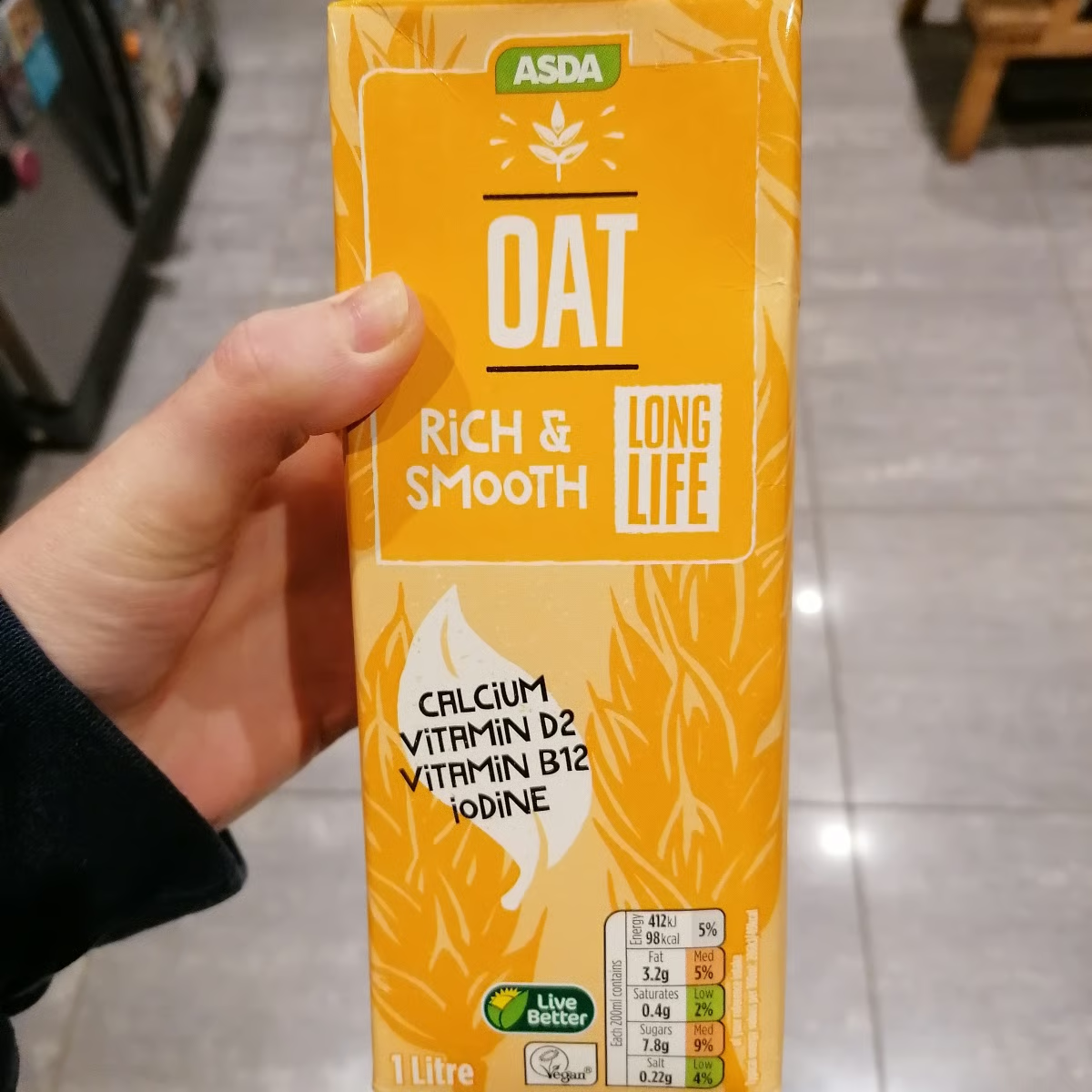
Oat milk is not only versatile but also offers several health benefits. It is rich in essential vitamins and minerals, including vitamin D, calcium, and B vitamins. Compared to cow’s milk, it is lower in calories and packed with dietary fibre, which can aid digestion. Moreover, oat milk is naturally cholesterol-free and contains beta-glucans, a type of soluble fibre that has been associated with heart health.
Environmental Impact
One of the defining features of oat milk is its lower environmental footprint compared to dairy milk. According to studies, the production of oat milk emits significantly fewer greenhouse gases and requires less water than cow’s milk. This makes it a wholesome option for environmentally conscious consumers aiming to reduce their carbon footprint. Additionally, oats are a resilient crop that can thrive in diverse climates, making them a sustainable choice for agricultural practices.
Market Trends and Future Predictions
With the rise of oat milk, major brands such as Oatly and Alpro have expanded their product lines to include flavoured and barista versions of oat milk. The competitive landscape is also seeing the entry of numerous startups focusing on innovative oat milk products. As consumer preferences continue to shift, experts predict that oat milk will maintain its momentum, further integrating into various culinary applications beyond coffee, including baking and cooking.
Conclusion
Oat milk is more than just a fleeting trend; its nutritional benefits, environmental sustainability, and versatility are cementing its place in the market. As more consumers turn to plant-based options, oat milk is poised to become a staple in kitchens and cafes worldwide. Its growth represents a shift in how we think about dairy alternatives and encourages ongoing conversations around sustainability and health.