Who is involved
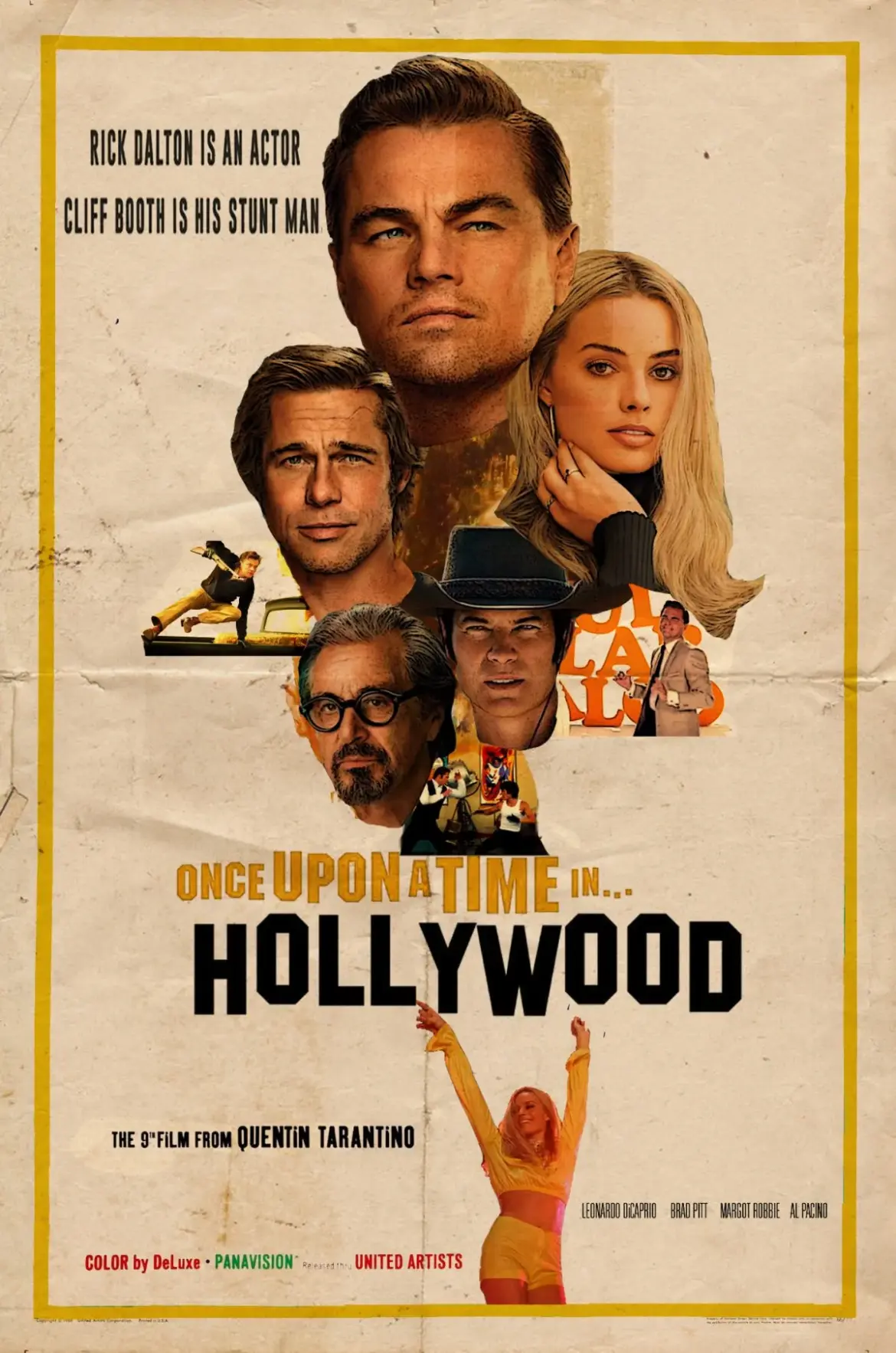
When Quentin Tarantino’s Once Upon a Time in Hollywood debuted in 2019, it quickly became a cultural phenomenon, celebrated for its rich character-driven narrative and stellar performances from actors like Leonardo DiCaprio and Brad Pitt. The film captured the essence of 1960s Hollywood, intertwining fictional characters with real historical events, and garnered critical acclaim and box office success. Expectations were high for any potential follow-up, as the film left audiences yearning for more of its unique storytelling.
Fast forward to 2026, and the landscape of film production and distribution has evolved dramatically. Netflix, with its ambitious $20 billion content budget for the year, is now a dominant player in the industry, shifting the paradigm of how films are released and consumed. The announcement of a sequel titled The Adventures of Cliff Booth, set to premiere on Netflix in August 2026, marks a decisive moment in this evolution. This sequel will not only see Brad Pitt reprising his role as Cliff Booth but also bring back Tarantino as the writer, while David Fincher takes the helm as director.
The sequel is set eight years after the events of the original film, focusing heavily on the character of Cliff Booth. This shift in narrative direction suggests a deeper exploration of Booth’s character, allowing for new stories to unfold while maintaining the essence of the original. The film’s cast will include notable names such as Scott Caan, Timothy Olyphant, Elizabeth Debicki, Carla Gugino, and Yahya Abdul-Mateen II, further enhancing the anticipation surrounding its release.
However, the announcement has not been without its controversies. The trailer for The Adventures of Cliff Booth has received mixed reactions from fans, indicating a divide in expectations and excitement. While some are eager to see how Tarantino and Fincher will expand on the original’s legacy, others express skepticism about the necessity of a sequel. Tarantino himself has voiced his concerns, stating, “I love this script, but I’m still walking down the same ground I’ve already walked. It just kind of unenthused me.” This sentiment reflects a broader apprehension about sequels in Hollywood, particularly when they revisit beloved narratives.
The impact of this sequel extends beyond just the film itself. It is a reflection of the changing dynamics in the film industry, where streaming services like Netflix are increasingly becoming the go-to platforms for major releases. The traditional theatrical window is being challenged, with Netflix’s approach to distribution allowing for immediate access to films for subscribers. This shift has implications for how films are marketed and monetized, as evidenced by the $25 million in concession revenue generated from the Stranger Things series finale, showcasing the potential for significant financial returns in the streaming realm.
As the film industry continues to adapt to these changes, the competition among streaming platforms is intensifying. Dan Lin, a prominent figure in the industry, remarked, “I think competition is a good thing … I think we’ll be even better because we have that competition, it makes us hungrier, sharper, so we’re not afraid of the competition.” This competitive spirit may drive innovation and creativity, ultimately benefiting audiences with diverse content.
In summary, the release of The Adventures of Cliff Booth represents a pivotal moment for both the franchise and the film industry at large. While the original Once Upon a Time in Hollywood set high expectations, the sequel aims to carve its own path amidst a rapidly changing landscape. As fans await its release, the question remains: will it live up to the legacy of its predecessor, or will it falter under the weight of expectation? Details remain unconfirmed.