Introduction
The Nipah virus (NiV) outbreak currently affecting India, primarily in the southern state of Kerala, has raised significant public health concerns. This zoonotic virus, transmitted from animals to humans, has a high fatality rate. The emergence of this outbreak underscores the need for vigilance, understanding, and rapid response to prevent widespread transmission.
Current Outbreak Status
As of October 2023, Kerala has reported several confirmed cases of Nipah virus, with health authorities confirming at least five infections and two deaths. The situation is being closely monitored by the Kerala government, which has enacted stringent containment measures. In an effort to curb the spread, health officials have begun intensive contact tracing of those exposed and have established quarantine procedures for potential cases.
Transmission and Symptoms
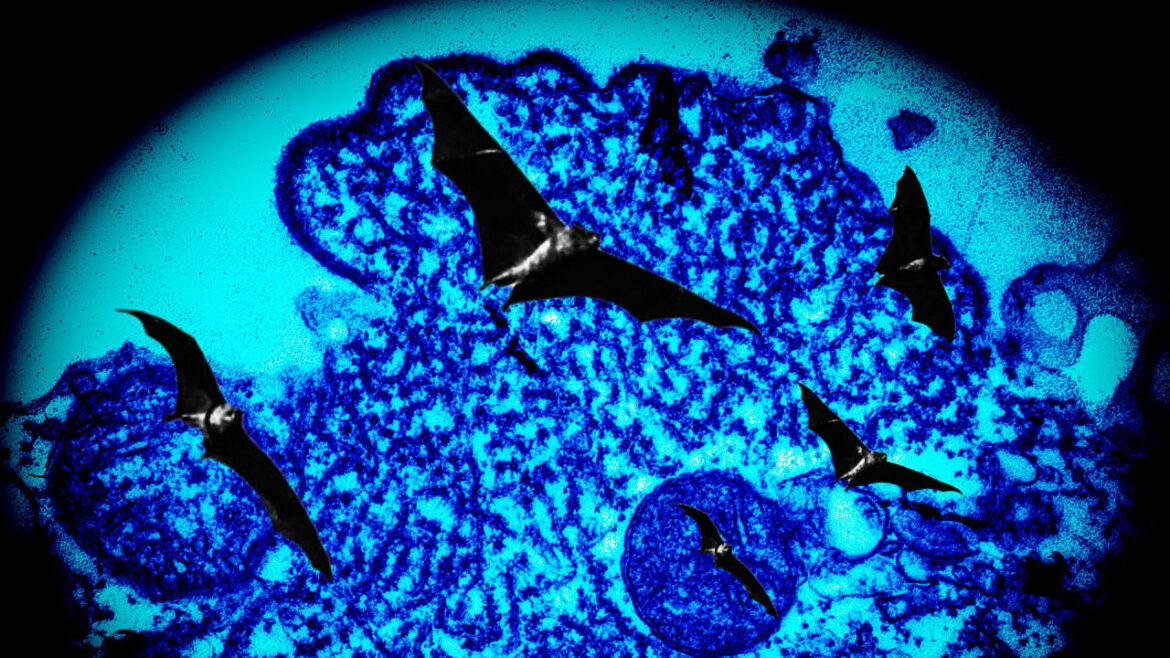
Nipah virus is typically transmitted to humans from fruit bats, pigs, or contaminated food items. Symptoms can range from mild flu-like signs to severe respiratory distress and encephalitis. Early identification of symptoms is crucial for immediate medical intervention, which could significantly reduce fatalities.
Government Response and Health Advisory
The Indian government, along with state health departments, is actively engaging in public health measures to educate citizens on the risks associated with the Nipah virus. The Ministry of Health and Family Welfare has issued guidelines on preventive measures, such as avoiding contact with sick animals and practicing good hygiene. Furthermore, hospitals are being equipped with necessary resources to deal with potential cases effectively.
Importance of Public Awareness
Public awareness is vital during this outbreak. Local communities are being encouraged to report any unusual symptoms and avoid consuming fruits that may be contaminated. Schools and workplaces have been advised to implement hygiene practices that can help mitigate the risk of transmission.
Conclusion
The Nipah virus outbreak in India presents a significant challenge to public health, underscoring the interconnectedness of animal health, human health, and the environment. The ongoing response from health authorities is essential not only for immediate containment but also for long-term strategies to prevent future outbreaks. As such, a collective effort involving the government, healthcare professionals, and the public is crucial to navigate this crisis effectively and ensure community safety.