How it unfolded
In late March 2023, the atmosphere in Indore, India, shifted dramatically as rumors of a petrol shortage began to circulate among residents. Just before the panic buying commenced, the government had reassured citizens that there was no shortage of essential fuels across the country. Oil refineries were operating at high capacity, ensuring that adequate stocks of petrol and diesel were available, and no shortages had been reported at retail outlets.
On March 25, 2023, petrol prices in New Delhi remained unchanged at ₹94.77 per litre, while diesel was priced at ₹87.67 per litre. This stability in fuel prices came despite ongoing geopolitical uncertainties in energy-producing regions of the Middle East, which typically influence global oil markets. However, the calm was short-lived as rumors began to spread in Indore, leading to a sudden rush at petrol stations.
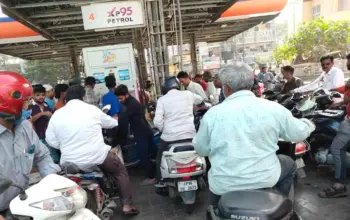
The panic buying was exacerbated by a few short-term dry-outs at some petrol pumps due to the unexpected influx of customers and delayed tanker arrivals. District administrations quickly moved to quell the rising anxiety, assuring citizens that there was no shortage of petrol, diesel, or cooking gas. M L Maru, the district supply controller, stated, “There is sufficient stock available and petrol pumps will continue to receive supplies.”
Despite these assurances, the rush continued, with many motorists feeling compelled to fill their tanks. Rohit Sharma, a local motorist, expressed his concern, saying, “I saw messages saying petrol pumps might run dry, so I came to fill fuel.” Anjali Jain, another commuter, noted, “Everyone suddenly came to fill petrol because of the rumours.” This collective response highlighted the power of misinformation in triggering widespread panic.
In Indore district, daily consumption of petrol is estimated at around 10 lakh litres, while diesel consumption stands at approximately 15 lakh litres. The district is home to about 275 fuel stations, part of a larger network of around 5,500 fuel stations across Madhya Pradesh. Ujjain, a nearby city, has around 150 petrol pumps with adequate stocks of about 16,000 KL of petrol and 25,000 KL of diesel, further indicating that the supply chain remains intact.
Rajendra Wasu, president of the Indore petrol dealers’ association, addressed the situation, clarifying, “There was some delay in supply from a depot of one oil company which created panic in the evening. But there is no shortage of fuel.” This statement underscores the importance of effective communication from authorities to prevent misinformation from spiraling out of control.
As of now, the situation in Indore appears to be stabilizing, with district administrations continuing to monitor fuel supplies closely. The government has reiterated its commitment to ensuring that essential fuels remain available to the public. The events of the past few days serve as a reminder of how quickly panic can spread in the face of uncertainty, and the critical role that clear communication plays in maintaining public confidence.
For residents and motorists in Indore, the reassurance from officials should help alleviate concerns about fuel availability. However, the incident also highlights the need for vigilance against misinformation, especially in times of uncertainty. As the situation continues to evolve, the focus remains on ensuring that the supply of petrol and diesel meets the demands of the community without further disruptions.