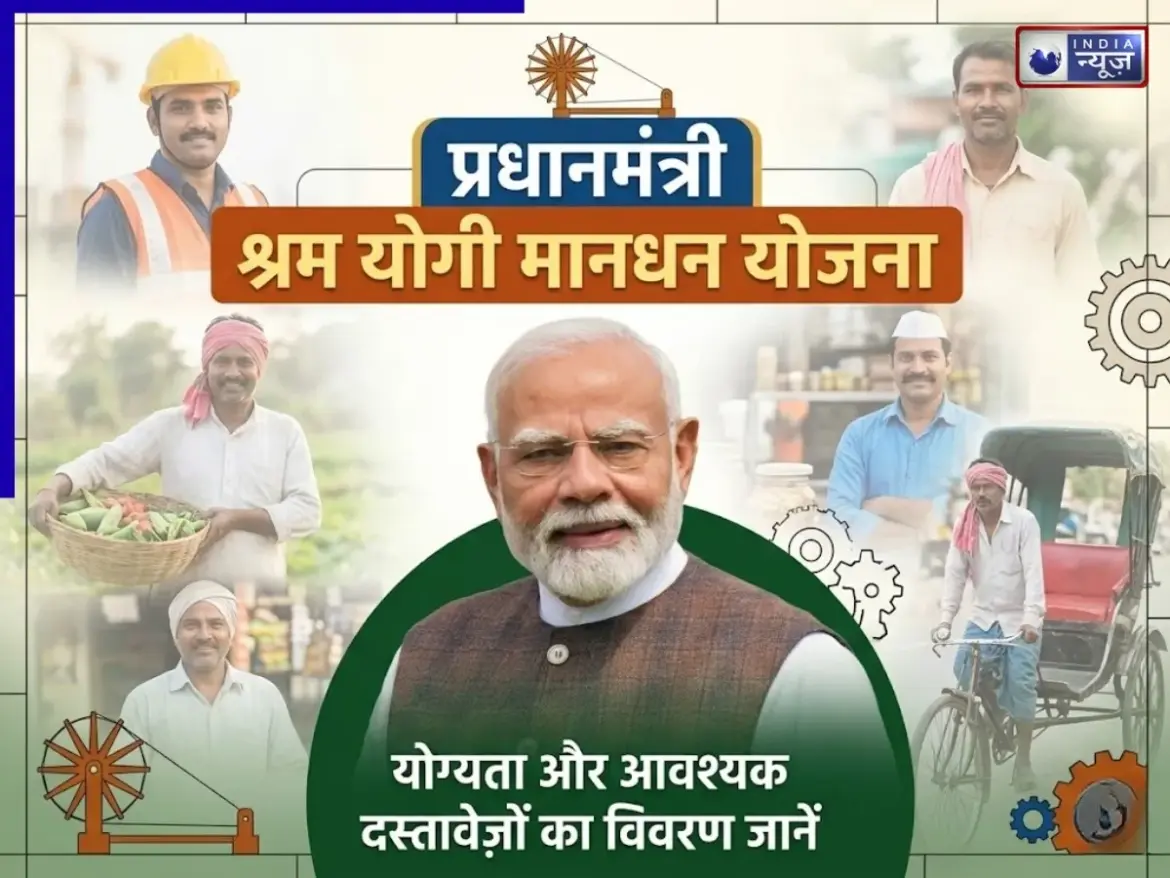
The PM-SYM scheme, launched in 2019, serves as a vital pension initiative for unorganized sector workers in India, providing them with a monthly pension of up to ₹3000 after they reach the age of 60. This scheme is particularly significant as it targets a demographic that often lacks access to traditional retirement benefits such as the Employees’ Provident Fund (EPF) or the National Pension System (NPS).
To qualify for the PM-SYM scheme, participants must be aged between 18 to 40 years and have a monthly income of less than ₹15,000. This income threshold is designed to ensure that the scheme supports those who are most in need of financial security in their later years.
Under the scheme, eligible workers are required to contribute monthly to build their pension fund. This structured approach not only encourages savings among participants but also fosters a sense of financial responsibility. In the unfortunate event of a beneficiary’s death, the scheme ensures that the spouse receives half of the pension amount, thereby providing continued support to the family.
Historically, the PM-SYM scheme was introduced to address the glaring gap in retirement benefits for millions of workers in the unorganized sector, which encompasses a vast array of professions, from street vendors to domestic workers. Prior to its inception, many of these workers faced uncertainty regarding their financial stability in old age.
As of now, the scheme has been met with a positive response, with many workers expressing gratitude for the security it offers. However, the effectiveness of the program in reaching its target demographic remains a point of discussion among policymakers and social activists.
Observers are keenly watching the implementation of the PM-SYM scheme, particularly its impact on the lives of unorganized sector workers. While the initial uptake appears promising, the long-term sustainability of the scheme and its ability to adapt to the evolving economic landscape will be crucial in determining its success.
Details remain unconfirmed regarding the exact number of beneficiaries enrolled in the scheme since its launch, but the government continues to promote it as a cornerstone of social welfare for the unorganized workforce.