Background and Context
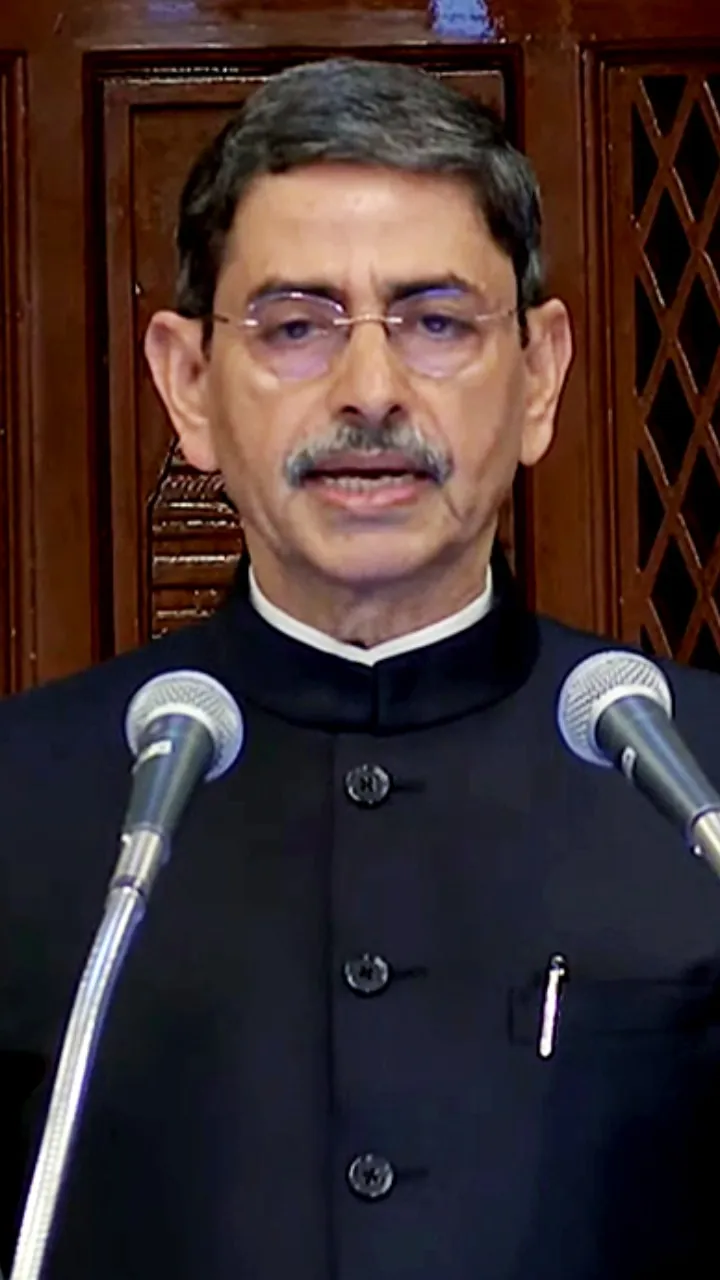
RN Ravi was appointed as the Governor of Tamil Nadu on September 18, 2021. His tenure was marked by significant political confrontations with the ruling DMK government, leading to tensions over various legislative matters. Notably, Ravi held 21 bills pending without assent, which contributed to the strained relationship with the state government.
Transfer Announcement
On March 5, 2026, a major administrative reshuffle was announced by President Droupadi Murmu, resulting in RN Ravi’s transfer to West Bengal as its new Governor. This decision came after the resignation of CV Ananda Bose, who had served as Governor of West Bengal for approximately 3.5 years. Following Ravi’s transfer, Rajendra Vishwanath Arlekar was appointed to discharge the functions of Governor of Tamil Nadu.
The announcement of RN Ravi’s appointment as Governor of West Bengal elicited a strong reaction from the state’s Chief Minister, Mamata Banerjee. She expressed her shock and concern regarding the sudden change, stating, “Union Home Minister just informed me that Shri R.N. Ravi is being appointed as Governor of West Bengal. He never consulted with me as per the established convention in this regard.” This statement underscores the ongoing political dynamics and the importance of consultation in governance.
Implications of the Transfer
Ravi’s transfer is significant not only for the political landscape of West Bengal but also for the broader context of Indian governance. His previous tenure in Tamil Nadu was characterized by confrontations with the DMK government, which may influence his approach in West Bengal. The political climate in West Bengal, under Mamata Banerjee’s leadership, presents a different set of challenges and opportunities for Ravi.
Current State of Affairs
As of now, RN Ravi is preparing to assume his new role in West Bengal amidst a backdrop of political scrutiny and expectations. His handling of legislation in Tamil Nadu, particularly his controversial stance on the new education policy, has set a precedent that may affect his governance style in West Bengal. Ravi has previously stated, “The new education policy should not be seen as political,” indicating his intent to navigate political sensitivities carefully.
The transfer of RN Ravi to West Bengal is a pivotal moment that reflects ongoing shifts in Indian political governance. As he steps into this new role, the implications of his past actions and the responses from local political leaders will be closely monitored. The unfolding dynamics will be crucial for both RN Ravi and the political landscape of West Bengal in the coming months.