Introduction
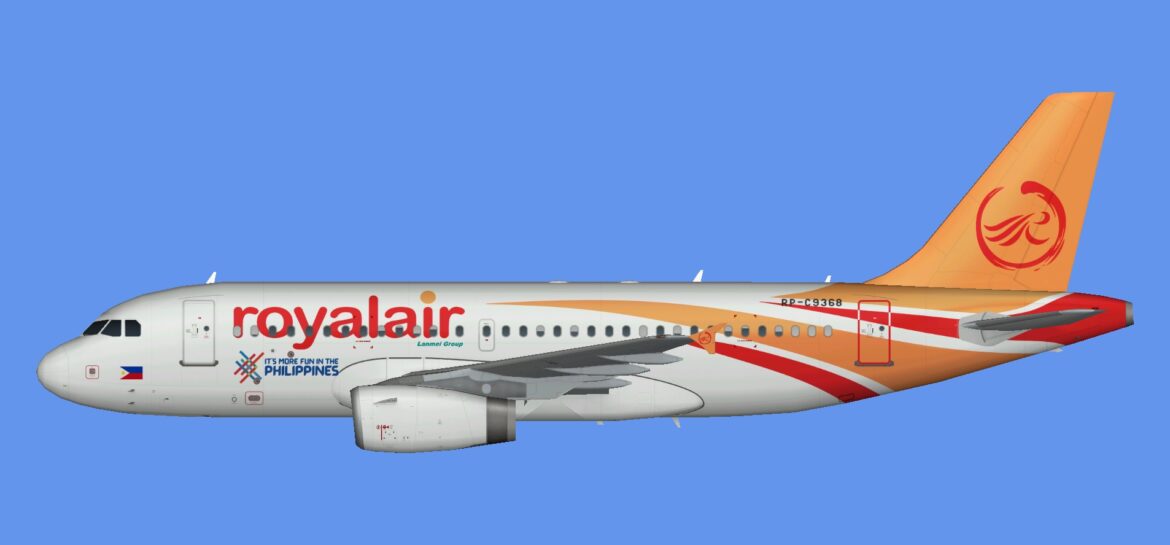
The recent announcement of Royal Air Philippines’ impending liquidation has raised significant concerns within the aviation sector. As the airline navigated through a series of financial hurdles, its closure is a stark reminder of the vulnerabilities faced by airlines, particularly in the aftermath of the Covid-19 pandemic. The implications of this development reach not only the airline’s employees and stakeholders but also the travellers depending on its services.
Background on Royal Air Philippines
Founded in 2002, Royal Air Philippines was initially set up to provide air transportation services to domestic and regional destinations. Over the years, it built a reputation for connecting underserved areas, contributing to the nation’s tourism and economy. However, like many airlines, it suffered greatly during the pandemic due to reduced travel demands and stringent restrictions. The government-supported stimulus was inadequate for the firm, leading to severe cash flow issues.
Details of Liquidation
In October 2023, the airline’s management announced that they would proceed with voluntary liquidation. The move comes as a last resort after extensive attempts to restructure the company and seek potential investors failed. Reports indicate that a significant portion of the airline’s fleet has been grounded for the past year, and operational costs continued to pile up. The decision has been met with disappointment from employees, many of whom will now face uncertainty regarding their employment and severance benefits.
Industry Impact
The closure of Royal Air Philippines is set to impact various sectors beyond the airline itself. As the company halts its services, consumers may face increased pressure on flight availability and prices, particularly on routes previously served by Royal Air. Moreover, the local economy could take a hit, especially in regions reliant on air travel for tourism and commerce. The liquidation also sets a precedent, highlighting the ongoing fragility of the airline industry amidst fluctuating demands and economic constraints.
Conclusion
The liquidation of Royal Air Philippines underscores the challenges facing smaller airlines in a post-pandemic world. It serves as a wake-up call for industry stakeholders to prioritise financial resilience and adaptability. Looking ahead, the aviation sector may witness further consolidations as firms grapple with an evolving market landscape. For travellers and employees alike, the closure represents a significant shift, calling for careful consideration of the future of air transport in the Philippines.