Historically, Russia and Iran have had an uneasy relationship shaped by conflict, mistrust, and competing interests. However, recent developments indicate a significant strengthening of their partnership, particularly in light of the ongoing war in Ukraine and the sanctions imposed on both nations by Western powers.
The partnership between Russia and Iran illustrates pragmatic cooperation rather than a formal alliance. As both countries face increasing geopolitical pressure, they have found common ground in their military and economic needs. Iran, in particular, has sought military equipment and nuclear technology from Russia due to the constraints of Western sanctions.
Since 2015, Moscow and Tehran have intervened militarily to support the Assad government in Syria, further solidifying their collaboration. Notably, Iranian drones have become a central component of Russia’s strike campaign against Ukrainian infrastructure, showcasing the tactical synergy between the two nations.
In a notable development, production lines linked to Iranian drone designs have been established on Russian territory, indicating a deepening of military ties. While this cooperation is significant, experts suggest that Russia is unlikely to deploy forces or provide airpower on Iran’s behalf, maintaining a cautious approach to direct involvement.
In a separate but related development, the Aqua Titan, a vessel carrying Russian crude oil, reached Mangaluru in Karnataka, India. This event comes in the wake of the United States issuing a temporary general license that allows the sale of Russian crude oil stranded at sea, reflecting the complexities of global oil markets amid ongoing sanctions.
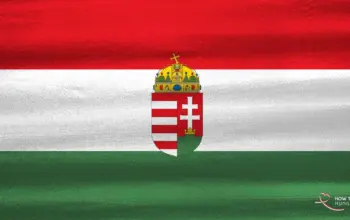
Meanwhile, Hungary’s Foreign Minister has allegedly passed information about EU negotiations to Russia, raising eyebrows within the European Union. Hungarian Prime Minister Viktor Orban has ordered an investigation into the wiretapping of his foreign minister, stating, “There is evidence that Hungary’s foreign minister was wiretapped, and we also have indications of who may be behind it.” This situation underscores the intricate web of alliances and tensions that characterize the current geopolitical landscape.
As these developments unfold, observers are keenly watching how these partnerships will influence the ongoing conflict in Ukraine and the broader geopolitical dynamics in the region. Anitta Hipper, a spokesperson for the European Commission, remarked, “We expect the Hungarian government to provide the clarifications,” highlighting the EU’s concern over Hungary’s actions.
Overall, the evolving relationship between Russia and Iran, coupled with the complexities of European politics, paints a picture of a rapidly changing geopolitical environment where alliances are tested and new partnerships are forged.