Introduction: The Legacy of Saif al-Islam
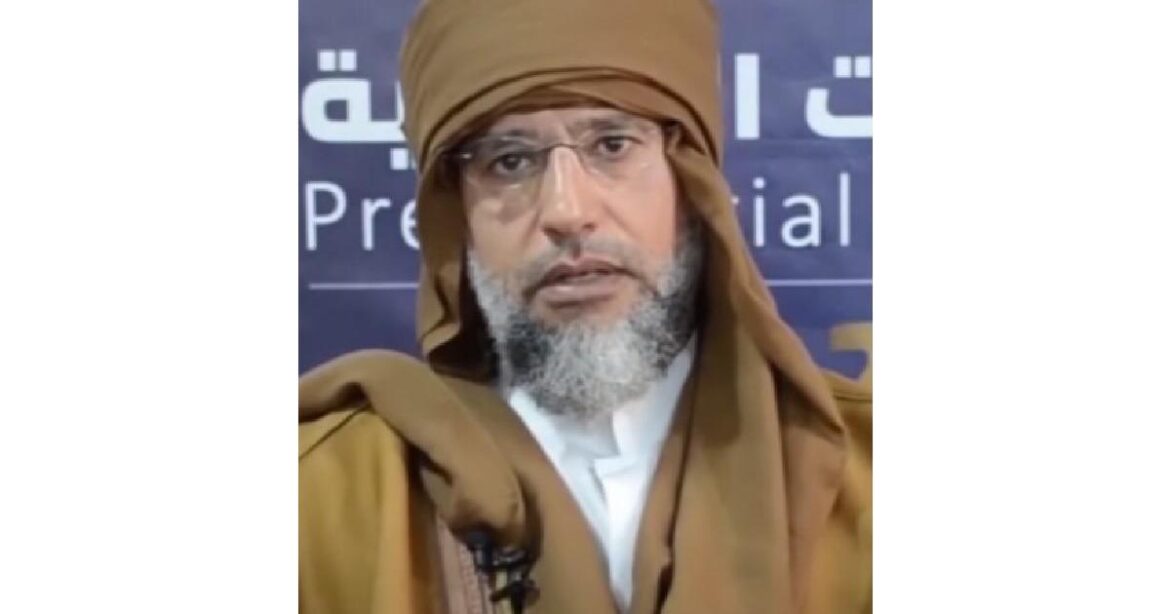
Saif al-Islam Gaddafi, the son of the late Libyan leader Muammar Gaddafi, has re-emerged in the political sphere as Libya prepares for crucial elections in the near future. His potential return to power has sparked widespread debate and speculation about the future of Libya, a country still grappling with the scars of civil war and political instability.
The Current Political Climate
Libya has been in turmoil since 2011 when Muammar Gaddafi was overthrown and killed during a NATO-backed uprising. The nation has experienced several rounds of conflict among rival factions, leading to a fragmented government and a power vacuum. As the country attempts to transition to democracy, the upcoming elections present both risks and opportunities. A stable government is crucial for rebuilding the nation, and the influence of figures like Saif al-Islam cannot be overlooked.
Saif al-Islam’s Political Re-Entry
Saif al-Islam, who was once seen as his father’s heir apparent, had largely remained out of public view following his capture in 2011. He was sentenced to death in absentia by a Tripoli court in 2015, but the recent years have seen him express intentions to run for the presidency. His announcement has polarised opinions among Libyans, with some viewing him as a potentially stabilising force owing to his past connections and experience.
Public Opinions and Concerns
Polling and public sentiment reflect a mix of nostalgia for the Gaddafi regime’s stability and an aversion to the atrocities committed during that time. Many Libyans remember the security and infrastructure improvements made in the early years of Gaddafi’s rule, while others vehemently oppose the notion of his son’s return, fearing a return to authoritarianism rather than a genuine democratic transition.
Conclusion: Future Implications
As Saif al-Islam Gaddafi repositions himself in the political landscape, the implications for Libya remain immense. Should he successfully navigate the complex political terrain and mount a campaign, it could signify either a step towards stability or a regression into past authoritarian practices. The international community is watching closely, as any shift in power dynamics could profoundly affect not just Libya, but the broader North African region.