Reaction from the field
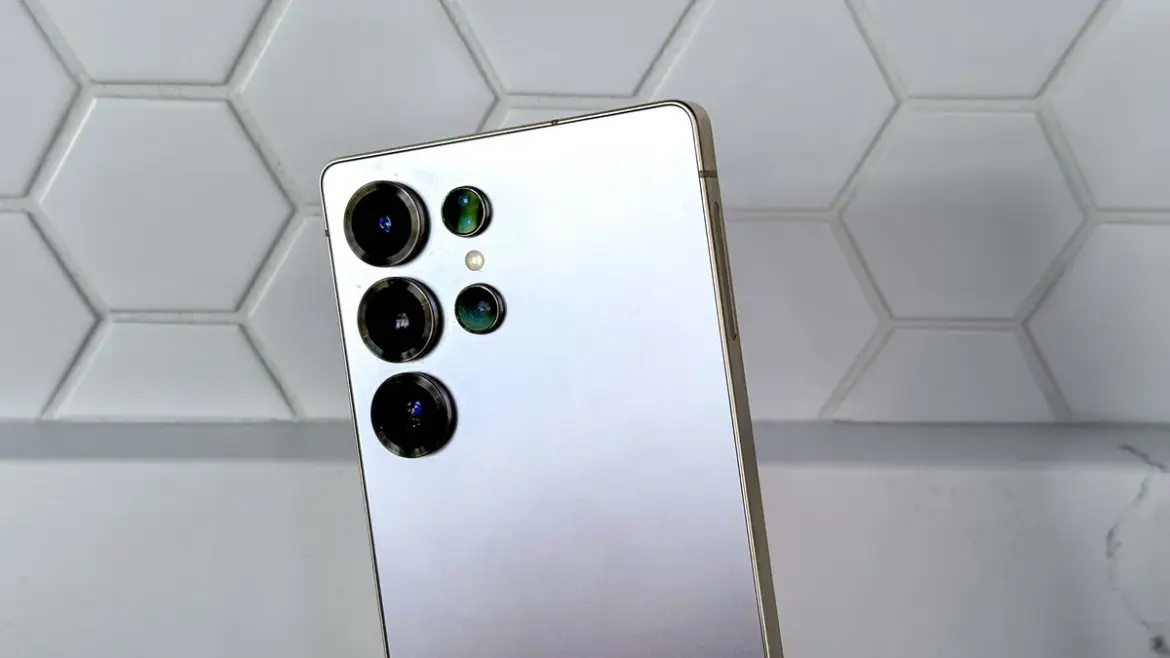
The launch of the Samsung Galaxy S26 Ultra has not gone as smoothly as the tech giant had hoped. Users have reported serious issues with the device, particularly concerning its Privacy Display technology, which has led to complaints of eye strain and nausea. One user stated, “It messed with my eyes and gave me eye strain and a bit of nausea and tiny head aching.” This feedback highlights the potential health implications of the new display feature, raising questions about its design and implementation.
In an attempt to mitigate the backlash, Samsung initially offered a $250 discount to customers to prevent returns. However, this offer was later rescinded, leading to further frustration among users. Social media reactions have been swift, with one user commenting, “The $250 refund exploit for the #GalaxyS26Ultra was fun while it lasted, but Samsung finally woke up.” This sentiment reflects a growing discontent among early adopters who feel let down by the company’s handling of the situation.
Another significant concern revolves around the Galaxy S26 Ultra’s wireless charging capabilities. While the device supports 25W wireless charging, many users have reported difficulties in achieving these speeds without specific accessories. Furthermore, it has been noted that third-party cases can interfere with the wireless charging speeds, complicating the user experience. Even Samsung’s own accessories have been cited as problematic, sometimes failing to allow the device to reach its full charging potential.
Adding to the woes, users have observed that the display brightness of the Galaxy S26 Ultra has reportedly dipped compared to its predecessor, the Galaxy S25 Ultra. This decline in brightness could affect visibility and overall user satisfaction, particularly for those who rely on their devices in bright environments. Details remain unconfirmed regarding the exact reasons for this brightness dip, leaving users in a state of uncertainty.
The Galaxy S26 Ultra is positioned as a premium device, with a price tag exceeding $1,300. This high cost raises expectations for performance and quality, making the current issues even more disappointing for consumers. In a market where competitors are consistently improving their offerings, Samsung’s struggles with the S26 Ultra could have long-term implications for its reputation.
For those looking to protect their investment, several cases are available for the Galaxy S26 Ultra, ranging from the ROKFORM Rugged Case priced at $69.99 to more affordable options like the Spigen Ultra Hybrid MagFit case at $17.99. However, users should be cautious, as many of these cases may hinder wireless charging speeds, further complicating the user experience.
As Samsung navigates this challenging landscape, the company faces the dual task of addressing user complaints while maintaining its market position. The effectiveness of the Privacy Display technology remains unclear for all users, and the company will need to respond effectively to restore consumer confidence. The ongoing feedback from users will be crucial in shaping future updates and product iterations.
In summary, the Samsung Galaxy S26 Ultra’s launch has been marred by significant issues related to its display and charging capabilities. As users express their dissatisfaction, Samsung’s response will be critical in determining the device’s future success and the company’s reputation in the competitive smartphone market.