Reaction from the field
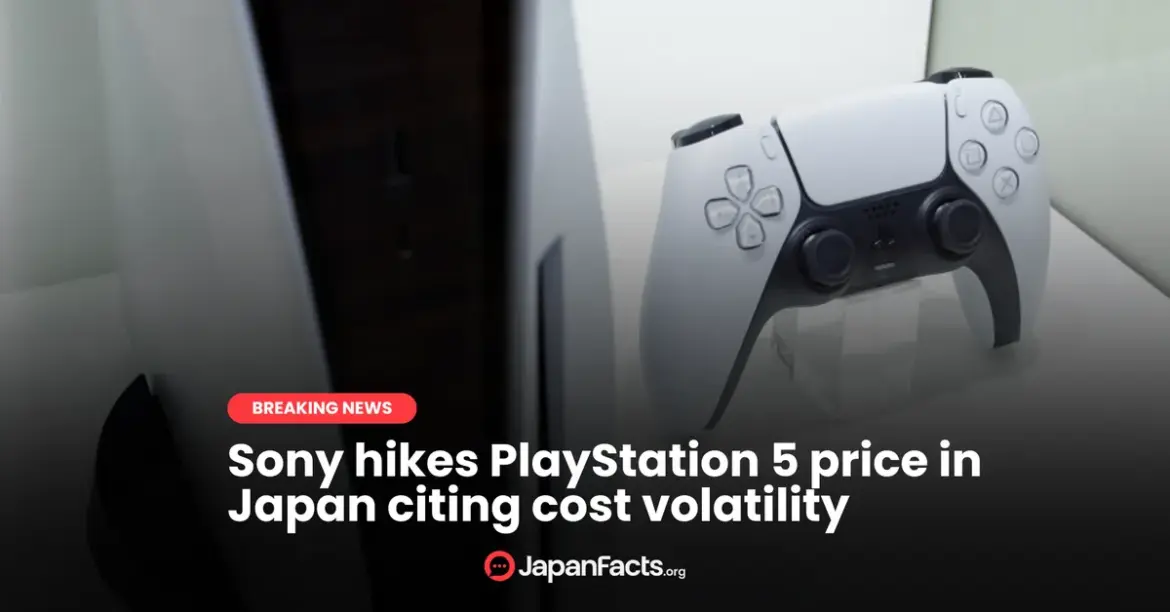
The gaming community is bracing for a significant shift as Sony has announced a price increase for the PlayStation 5, PS5 Pro, and PlayStation Portal. This decision, effective April 2, 2026, marks a pivotal moment for both the company and its dedicated fanbase, as the new pricing structure will see the disc version of the PS5 rise to $649.99 in the United States, while the digital edition will now cost $599.99. The PS5 Pro will be priced at $899.99, and the PlayStation Portal will increase to $249.99.
In the United Kingdom, the price for the PS5 will jump to £569.99, and in Europe, the disc version will be set at €649.99. This price hike applies to all major regions, including North America, Europe, and the UK, indicating a global strategy to adjust to current economic conditions.
According to Sony, the primary reasons for this price increase include rising production costs, inflation, and sustained global demand for PlayStation products. “Sony mentioned the ongoing demand for PlayStation goods around the world, inflation, and growing production costs,” a company representative stated. This reflects a broader trend in the gaming industry, where manufacturers are grappling with increased expenses while trying to maintain product quality and innovation.
Isabelle Tomatis, a spokesperson for Sony, emphasized the necessity of this price adjustment, stating, “The hike was a necessary step to ensure we can continue delivering innovative, high-quality gaming experiences to players worldwide.” This sentiment resonates with many in the industry who understand the challenges of balancing profitability with consumer expectations.
Over five years have passed since the PS5’s initial release in November 2020, a period that has seen fluctuating demand and supply chain issues exacerbated by global events. The gaming market has evolved significantly, and with it, the expectations of consumers who are increasingly willing to invest in premium gaming experiences.
Despite the price increases, Sony has not announced any changes to PlayStation Plus memberships or accessories, which may provide some relief to consumers concerned about overall gaming costs. However, the implications of these price changes could lead to a reevaluation of purchasing decisions among potential buyers.
As the gaming landscape continues to shift, the impact of these price adjustments remains to be seen. Will this lead to a decline in sales, or will the loyal PlayStation community continue to support the brand? Details remain unconfirmed as the market adjusts to these new realities.