Introduction
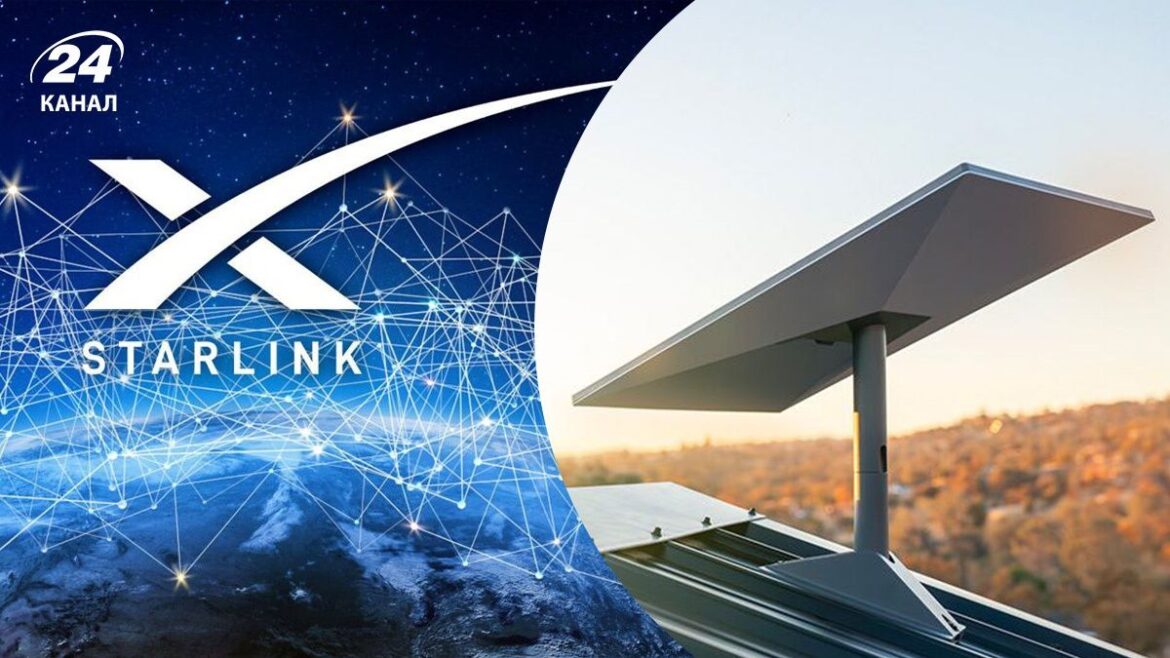
Starlink, a satellite internet constellation project developed by SpaceX, is significantly impacting global internet connectivity. Launched with the goal of providing high-speed internet access to underserved and rural areas, Starlink’s innovative approach leverages a network of satellites to deliver reliable internet service. As the demand for internet access continues to grow worldwide, particularly in remote regions, Starlink represents an essential step toward bridging the digital divide.
The Development and Expansion of Starlink
Since its initial launch in 2019, Starlink has rapidly expanded its fleet of satellites, with over 3,500 currently in orbit. This satellite constellation aims to provide low-latency broadband service around the globe. In October 2023, the programme marked a significant milestone by achieving service availability in more than 40 countries, including remote areas in Africa, South America, and the Pacific Islands.
Recent updates have highlighted Starlink’s commitment to enhancing its service capabilities. The introduction of the V2.5 satellites has improved internet speeds, with users reporting download rates of up to 200 Mbps. Furthermore, the implementation of advanced technologies, such as phased-array antennas, has allowed for increased bandwidth and better performance in challenging weather conditions.
Starlink’s Impact on Global Connectivity
The implications of Starlink’s service are profound. Rural communities that once suffered from unreliable internet service are now able to participate in the digital economy, access online education, and connect with family and friends. This has been particularly crucial during the COVID-19 pandemic, where remote work and online learning became the norm.
However, Starlink also faces challenges, including regulatory hurdles and concerns about space debris. The rapid deployment of satellites raises questions regarding the long-term sustainability of outer space, as well as the impact on astronomical observations. In response, SpaceX has committed to addressing these issues by investing in technologies that mitigate space debris and working closely with regulatory bodies to ensure compliance with international space laws.
Conclusion
The future of Starlink looks promising, with continued expansion plans and technological enhancements set to further improve its service. As it continues to grow, Starlink could play a pivotal role in connecting the unconnected and enabling access to information and opportunities worldwide. For readers, staying informed about Starlink’s developments is essential, as the project illustrates not only the innovations in satellite technology but also the challenges associated with providing equitable internet access in the digital age.