Introduction
As the digital age advances, reliable internet connectivity remains a crucial element for both individuals and businesses in the UK. With many rural and underserved areas still struggling with inadequate internet services, SpaceX’s Starlink project has emerged as a significant game-changer. Starlink UK aims to provide high-speed broadband via a constellation of satellites, addressing the connectivity gap that plagues vast regions of the country.
What is Starlink?
Starlink is a satellite internet constellation developed by SpaceX, designed to offer internet service across the globe. The project involves deploying thousands of satellites in low Earth orbit (LEO) to provide high-speed, low-latency internet access. As of 2023, Starlink has already launched thousands of satellites and continues to expand its service availability, making strides in regions previously deemed unserviceable by traditional internet providers.
Current Developments in the UK
In the UK, Starlink has been making significant progress in expanding its services, especially in remote and rural areas. Many regions that previously faced slow internet speeds or complete lack of service have begun to witness improvements. Since its beta launch in the UK, Starlink has attracted numerous customers who have reported speeds exceeding 100 Mbps, bringing new opportunities for remote work, education, and entertainment.
Recent data indicates that the uptake of Starlink services in the UK has rapidly increased, with thousands of installations across the country. The Ofcom report suggests that around 13% of UK households are still unable to get broadband speeds above 10 Mbps, highlighting the pressing need for solutions like Starlink.
Challenges and Considerations
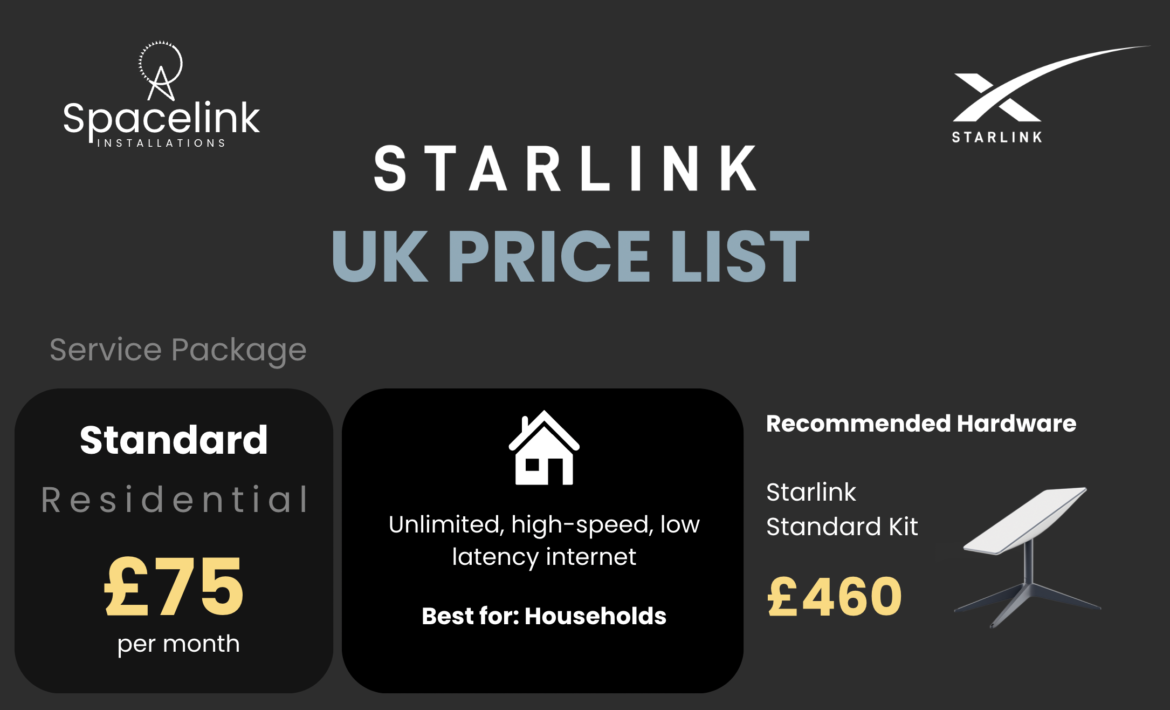
While Starlink presents promising opportunities, it is not without challenges. Potential concerns include the impact of satellite launches on space debris and the environmental implications of large-scale satellite deployment. Furthermore, issues around affordability and the costs of equipment can hinder accessibility for some users. The service operates on a subscription model, which might not be feasible for everyone, especially in lower-income areas.
Conclusion
Starlink UK stands at the forefront of a potential revolution in internet accessibility, addressing the gaps in high-speed internet coverage that have long affected parts of the nation. As technology advances and SpaceX continues to improve its service, the future holds significant promise for enhanced connectivity across the UK. For residents in rural and underserved areas, Starlink could mean the difference between outdated slow connections and the ability to fully engage in the digital world. Observers will watch closely to see how the project develops, both in terms of service expansion and its socio-economic impacts on UK residents.