Introduction
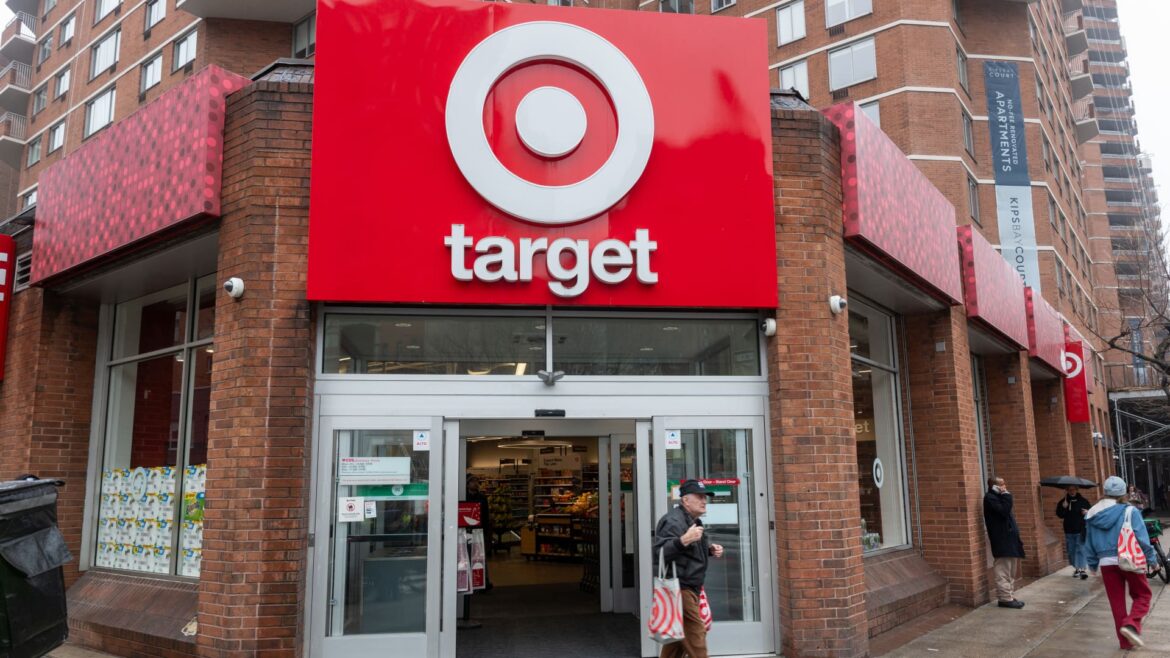
Target Corporation remains a significant player in the retail landscape, especially as it navigates the challenges posed by evolving consumer behaviours and economic conditions. As one of the largest discount retailers in the United States, Target’s strategies and innovations are crucial not only for its growth but also for the entire retail sector as it adapts to post-pandemic realities.
Recent Initiatives
In recent months, Target has launched several initiatives aimed at enhancing customer experience and operational efficiency. The company has expanded its same-day delivery options through partnerships with delivery services like Shipt, responding to the increasing demand for convenience. Furthermore, Target has invested in its e-commerce platforms, with a focus on integrating online and in-store shopping experiences.
One notable development is Target’s commitment to sustainability. The retailer has announced plans to reduce its carbon footprint by 50% by 2030 as part of its broader environmental goals. These efforts include introducing more eco-friendly products and sustainable packaging solutions. Target’s eco-conscious approach is increasingly resonating with consumers, particularly younger demographics who prioritise environmentally responsible shopping.
Financial Performance
Despite the challenging retail environment, Target reported robust financial results in its latest quarterly update. The company indicated a 4% increase in sales year-over-year, driven primarily by strong demand in home goods and apparel categories. The rise in sales can be attributed to Target’s ability to adapt to changing consumer preferences, particularly as shoppers continue to favour online and hybrid shopping experiences.
Strategic Focus on Localisation
Another strategic focus for Target is the localisation of product offerings. The company has adopted a more tailored approach to stocking its stores with products that reflect local preferences and trends. This strategy not only enhances customer satisfaction but also helps differentiate Target from competitors. By analysing local sales data, Target can ensure that each store is uniquely equipped to meet its community’s demands.
Conclusion
As Target Corporation adapts to the dynamic landscape of retail, its ongoing initiatives and strategies are set to play a crucial role in maintaining its competitive edge. The retailer’s focus on e-commerce, sustainability, and localisation demonstrates its commitment to meeting customers where they are and addressing their evolving needs. Looking ahead, Target is well-positioned for continued growth, but it will need to remain agile to navigate the volatile economic environment and changing retail landscape effectively. For consumers, these developments signal a promising future with more choices and enhanced shopping experiences.