Historical Context of Mumbai’s Weather
Mumbai, known for its tropical climate, typically experiences warm temperatures throughout the year. However, the city has recently witnessed a notable shift in its weather patterns. Prior to March 2026, the expectations for the season were relatively stable, with temperatures hovering around the average range. The city had not experienced a significant heatwave in early March for at least a decade, leading many to believe that the warmer months would follow a more traditional trajectory.
A Decisive Moment: The Heatwave Warning
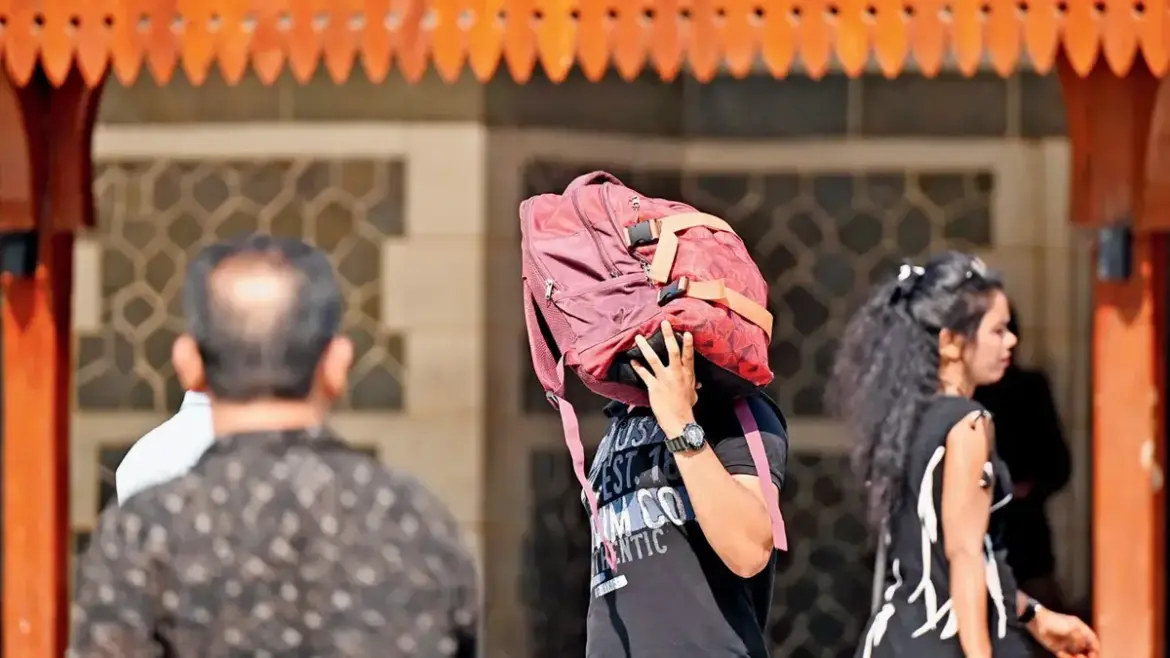
On March 9, 2026, everything changed as Mumbai recorded a maximum temperature of 38.4 degrees Celsius. This marked the onset of the city’s first heatwave of the season, prompting the India Meteorological Department (IMD) to issue a heatwave warning. The IMD had predicted temperatures to reach 39 degrees Celsius on the same day, with expectations of 37 degrees Celsius for the following day. The situation escalated as temperatures at various locations in the city soared even higher, with Ram Mandir reaching 42.5 degrees Celsius and Vikhroli hitting 41.7 degrees Celsius.
Immediate Effects on Residents and Infrastructure
The sudden spike in temperatures has had immediate effects on the residents of Mumbai. With the minimum temperature recorded at around 24 degrees Celsius, the heat has made daily life increasingly uncomfortable. Humidity levels fluctuated between 18% and 34%, adding to the discomfort. The IMD also issued a yellow warning for Mumbai and surrounding areas, including Thane, Palghar, and Navi Mumbai, indicating that residents should prepare for extreme weather conditions.
Expert Insights: Understanding the Shift
Experts attribute this sudden rise in temperatures to anticyclonic circulation in the Arabian Sea, particularly near south Gujarat and neighboring areas, including Mumbai. Sushma Nair, a senior scientist at IMD Mumbai, noted, “The spike in temperatures is attributed to the anticyclonic circulation in the Arabian Sea near south Gujarat and neighbouring areas including Mumbai.” This phenomenon has disrupted the usual weather patterns, leading to an early onset of heatwaves.
Broader Implications for Climate and Health
The implications of this temperature surge extend beyond mere discomfort. Increased temperatures can exacerbate health issues, particularly for vulnerable populations such as the elderly and those with pre-existing health conditions. Additionally, the heat can strain public services and infrastructure, including power supply and water resources, as demand increases during such extreme weather events.
Looking Ahead: What to Expect
As temperatures in Mumbai are expected to hover around 35 degrees Celsius for most of the week, residents are advised to take precautions against heat-related illnesses. The IMD’s warnings serve as a reminder of the changing climate patterns that cities like Mumbai are increasingly facing. The early heatwave not only disrupts daily life but also raises concerns about the long-term impacts of climate change on urban environments.
The recent spike in temperatures in Mumbai highlights the urgent need for awareness and preparedness in the face of changing weather patterns. As the city grapples with the implications of this heatwave, it is crucial for residents and authorities alike to adapt to the new realities of climate change.