Introduction
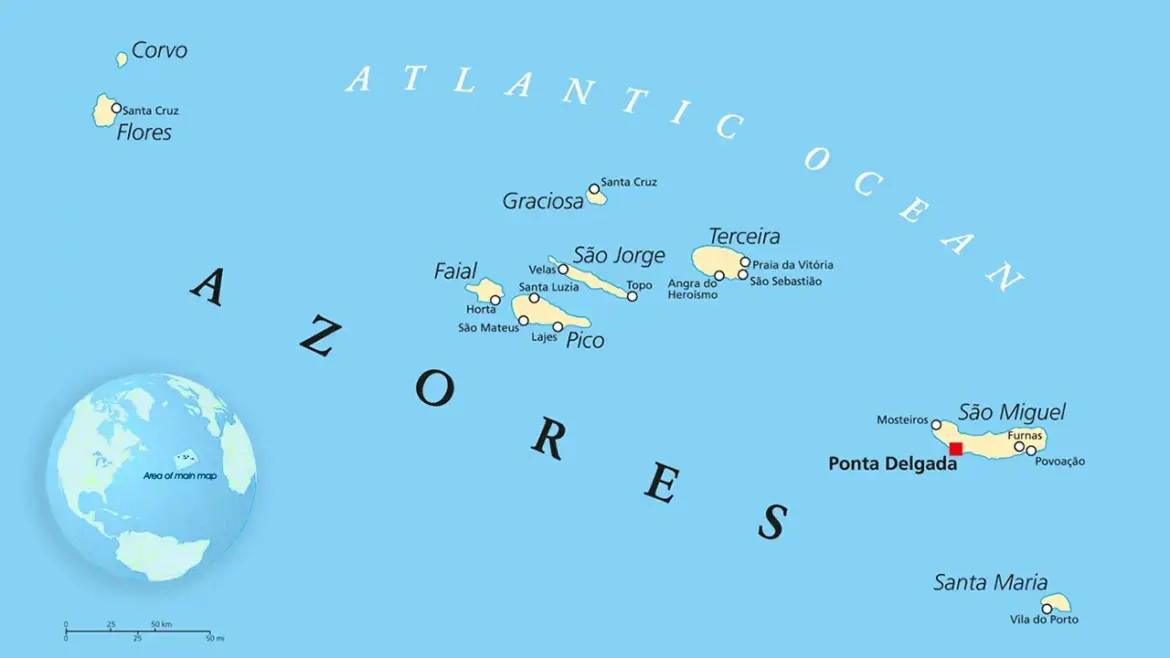
The Azores, a stunning archipelago situated in the North Atlantic Ocean, is a group of nine volcanic islands that belong to Portugal. Recognised for their rich biodiversity, breathtaking landscapes, and unique cultural heritage, the Azores have become an increasingly popular destination for eco-tourism and adventure seekers. As the world turns its attention to sustainable travel, the Azores represent a perfect blend of nature and tradition worth exploring.
Natural Wonders
The Azores are renowned for their dramatic scenery, featuring lush green hills, volcanic craters, and expansive ocean views. The islands, particularly São Miguel, are home to natural hot springs and geothermal lakes, such as the famous Lagoa das Sete Cidades, where visitors can admire twin crater lakes that are distinctly coloured blue and green. Furthermore, the rise in whale watching tourism showcases the biodiversity that calls these waters home, including species such as sperm whales and blue whales, attracting visitors seeking an authentic nature experience.
Cultural Landscape
In addition to its stunning natural environment, the Azores boast a rich cultural tapestry. The islands have a colourful history influenced by Portuguese traditions, maritime affairs, and local folklore. Festivals, such as the Sanjoaninas Festival in Terceira, celebrate local saints and traditions through vibrant parades, live music, and gastronomy. Moreover, the continuation of traditional crafts like ceramics and embroidery reflects the islanders’ dedication to preserving their heritage in the face of modernity.
Economic Impact and Tourism Growth
Tourism in the Azores has seen a significant increase, with a reported rise of over 20% in visitors in the last few years. According to the Azorean Tourist Board, in 2022 alone, the islands welcomed over 1.5 million tourists, predominantly from Europe and North America. This booming tourist interest presents both benefits and challenges. While it boosts the local economy, there are concerns about the environmental impact of increased footfall on this delicate ecosystem.
Conclusion
The Azores stand as a testament to the beauty of nature and the resilience of culture, making them a significant destination for travellers seeking more than just a holiday. As the islands navigate the balance between promoting tourism and preserving their natural and cultural heritage, it becomes clear that the Azores hold a unique position in the modern travel landscape. For future visitors, this paradise offers an opportunity to engage with nature actively while embracing the traditions of its warm and inviting inhabitants. The Azores promise to be not just a place to visit but an experience to cherish.