Introduction
The death of Jeffrey Epstein in August 2019 has remained a topic of intense speculation and mystery. Epstein, a convicted sex offender with high-profile connections, was found dead in his jail cell at the Metropolitan Correctional Center in New York City. His death was officially ruled as a suicide, igniting widespread debate over the circumstances surrounding it and the implications for survivors and justice. This issue remains highly relevant as it intersects themes of power, accountability, and the justice system.
Event Timeline
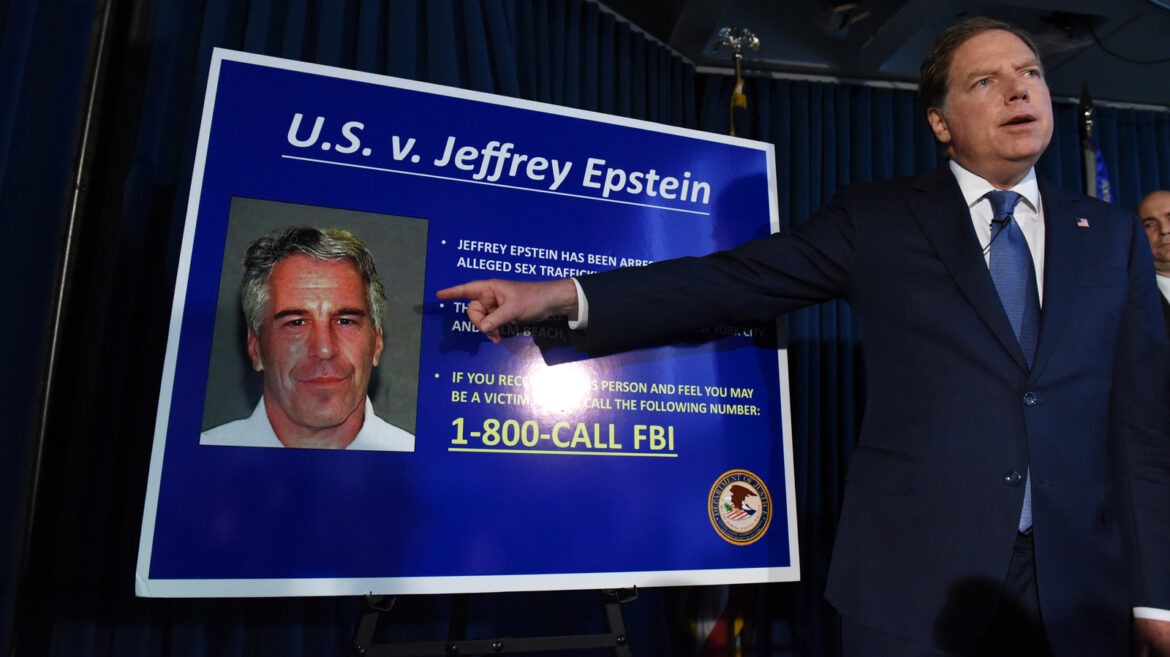
Jeffrey Epstein was arrested on July 6, 2019, on federal charges of sex trafficking minors in Florida and New York. During his earlier conviction in 2008, Epstein had secured a plea deal that many criticized for its leniency. His arrest in 2019 brought renewed attention to his past and the allegations surrounding him, including connections to powerful individuals.
On August 10, 2019, Epstein was discovered unresponsive in his cell. The initial report stated that he had hanged himself, but the manner of his death raised immediate questions due to several irregularities: the failure of cameras in the area, the absence of regular checks by guards, and Epstein’s previous suicide attempt. These factors have contributed to various conspiracy theories questioning whether his death was, in fact, a homicide.
Ongoing Investigations and Reactions
The New York City Medical Examiner’s Office concluded that Epstein’s death was a suicide, but many of his supporters and critics remain unconvinced. The fallout from Epstein’s death has prompted further legal actions against associates who may have contributed to his crimes. Victims have been seeking justice through civil lawsuits, and the Epstein estate has faced numerous claims from sexual abuse survivors.
In a broader context, Epstein’s death has sparked discussions about the flaws within the U.S. justice system, particularly in how it handles wealthy and influential defendants. The contrast between Epstein’s wealth and his treatment in custody raises concerns about equity in judicial processes.
Conclusion
The question of Jeffrey Epstein’s death is more than just a matter of fact; it represents profound societal issues that resonate with many. As investigations continue, and survivors pursue justice, the implications of Epstein’s actions and the circumstances of his death highlight the need for reform in the legal system. For those affected by his crimes, the quest for accountability is far from over, and the significance of this case may influence future legal standards and societal expectations around justice and transparency.