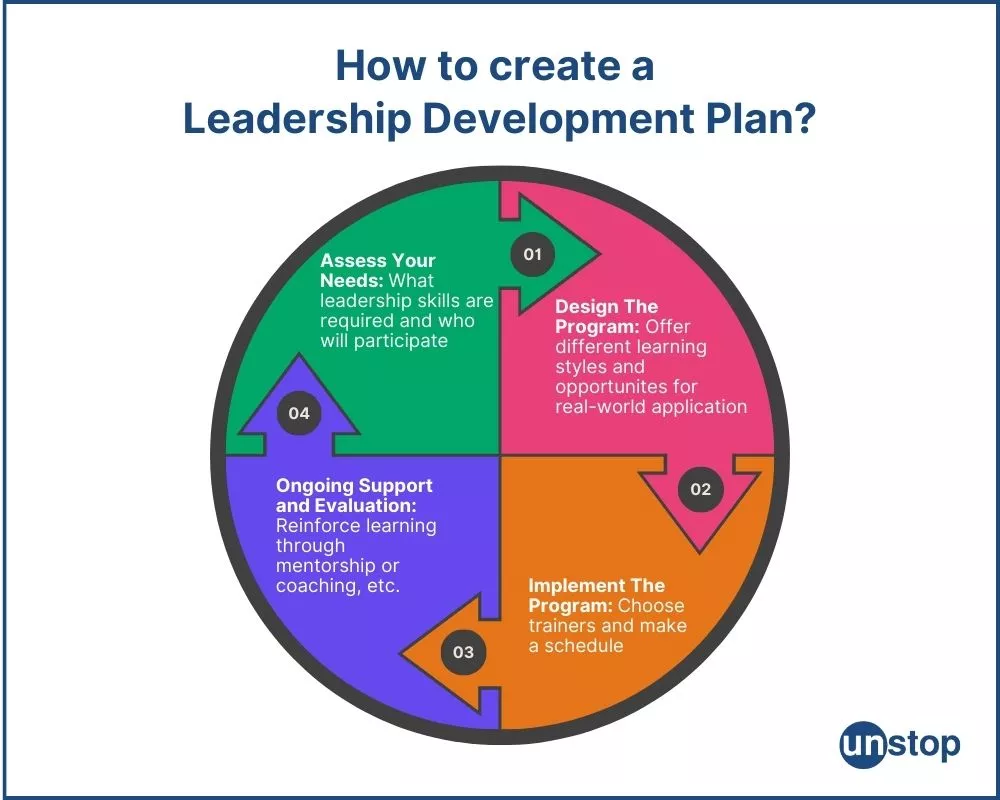
Understanding Leadership Development
Leadership development has become an essential focus for organisations aiming to build robust management teams capable of navigating the complexities of modern business. With rapid technological advancements and dynamic market conditions, effective leadership is more crucial than ever.
Current Trends in Leadership Development
According to the latest reports from the Global Leadership Forecast, 2023, approximately 85% of organizations are investing in leadership development initiatives. These programs are designed to equip emerging leaders with the necessary skills such as emotional intelligence, strategic thinking, and team management. Additionally, remote work has introduced new challenges and opportunities for leadership training. Many organisations are now utilising online platforms and virtual reality scenarios to enhance their leadership training, making it more accessible than ever.
Recent Initiatives and Success Stories
Recently, several major corporations have launched extensive leadership development programs aimed at fostering a diverse leadership pipeline. For instance, Unilever’s “Future Leaders Programme” and PepsiCo’s “Accelerated Leadership Programme” have reported substantial improvements in employee engagement and retention rates. These initiatives not only focus on skills training but also aim to promote inclusivity and representation within leadership roles, reflecting a broader societal trend towards equity in the workplace.
The Importance of Mentorship
Another vital aspect of leadership development is the role of mentorship. Studies show that having a mentor significantly enhances career progression and leadership effectiveness. Companies are increasingly pairing rising stars with experienced leaders to provide guidance and insights, thereby nurturing a sustainable leadership culture.
Future Outlook
The future of leadership development appears poised for transformation as more companies recognise its strategic importance. As organisations continue to evolve, investing in leadership capabilities will not only enhance individual performance but also foster a resilient organisational culture. Given the current climate, companies that prioritise strong leadership development are likely to emerge as frontrunners in their respective industries.
Conclusion
In conclusion, leadership development is no longer a luxury but a necessity for companies looking to thrive in a volatile business landscape. By committing to robust training programs and fostering mentorship, organisations can cultivate the leaders of tomorrow, ready to tackle the challenges of the future.