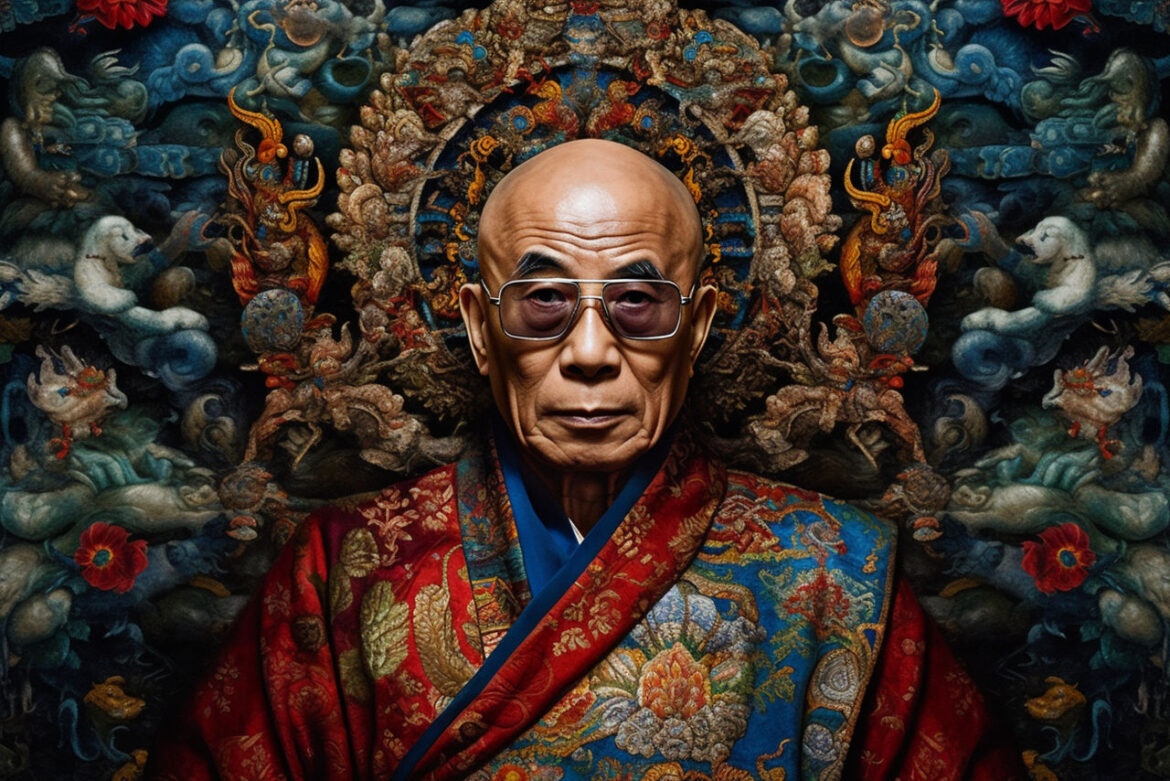
Introduction
The Dalai Lama is a title given to the spiritual leader of the Gelug school of Tibetan Buddhism, and his influence extends far beyond the boundaries of Tibet. As an emblem of compassion and non-violence, his teachings on peace and human values have resonated with millions globally. In recent events, the impact of the Dalai Lama’s philosophies continues to be relevant, especially in our increasingly tumultuous world.
The Dalai Lama’s Influence
His Holiness the 14th Dalai Lama, Tenzin Gyatso, was born on July 6, 1935, in Tibet. He has been a prominent figure since he assumed leadership in 1950 at just 15 years old. Following the Chinese invasion of Tibet, he fled to India in 1959, where he has since established a government-in-exile and has actively promoted Tibetan culture and the plight of Tibetan people.
In 1989, he was awarded the Nobel Peace Prize for his non-violent struggle for the liberation of Tibet, cementing his status as a global advocate for peace. His teachings emphasize compassion, love, and forgiveness as integral to peacebuilding, and he has travelled across the globe to spread these messages. Recent speeches and appearances have focused on themes such as environmental conservation, emotional well-being, and global unity in the face of challenges like the climate crisis and social inequalities.
Recent Developments
In light of current events, particularly the ongoing geopolitical tensions, the Dalai Lama has been vocal about the importance of dialogue and mutual respect among nations. His recent engagements include interfaith dialogues aimed at fostering understanding among different cultures and religions. He has also encouraged youth to take active roles in social change, seeing them as the key to a better future.
In 2023, as the world grapples with crises from climate change to economic inequality, his messages resonate more than ever. Educational initiatives led by organizations associated with him aim to promote mindfulness and compassion among young people, hoping to instill values that support not only personal well-being but also communal harmony.
Conclusion
The Dalai Lama’s teachings and actions continue to inspire many seeking peace and compassion in their lives. His emphasis on inner peace as a precursor to global harmony is a powerful reminder of our shared humanity. As we navigate an increasingly complex world, the principles articulated by the Dalai Lama provide a framework for individuals and communities to foster understanding and compassion. Moving forward, his voice will undoubtedly remain vital in advocating for peace and understanding in the face of adversity.