Introduction
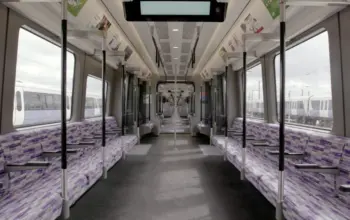
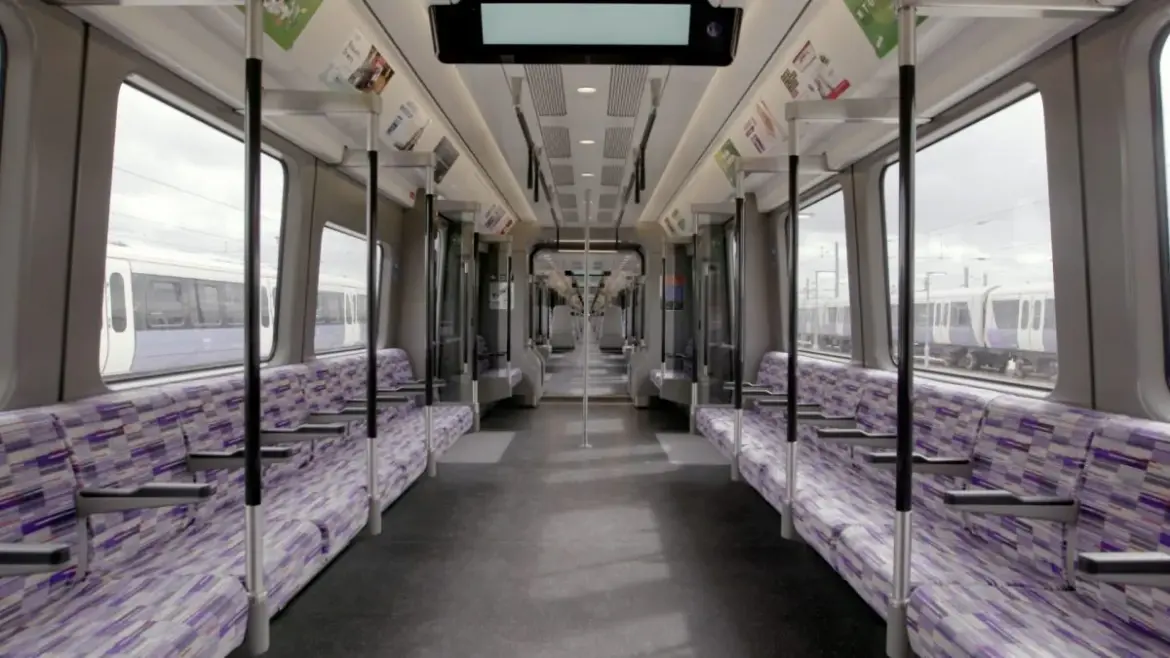
The Elizabeth Line, a significant addition to London’s transport network, officially opened on 24 May 2022. With its aim of easing congestion on existing rail services and providing faster journeys across the capital, the line has already begun to reshape the way Londoners and visitors navigate the city. This new service, named after Queen Elizabeth II, underscores the importance of modernising London’s transport infrastructure to meet the growing demands of its population.
Key Features of the Elizabeth Line
Stretching over 100 kilometres from Reading and Heathrow in the west to Shenfield and Abbey Wood in the east, the Elizabeth Line connects various communities and enhances accessibility. With a journey time reduction of up to 40 minutes on some routes, the line operates 12 trains per hour during peak times, significantly improving the capacity of London’s rail services.
Economic and Social Impact
The opening of the Elizabeth Line is expected to have a profound impact on the economy of London and the surrounding regions. According to Transport for London (TfL), the line could generate an estimated £42 billion for the UK economy by stimulating growth and development in previously less accessible areas. Property values along the route have already started to rise as a direct result of improved transport connections.
Challenges and Future Prospects
However, the introduction of the Elizabeth Line has not been without its challenges. Initial delays in construction and rising costs garnered criticism, but the completed project has addressed many of these concerns by adhering to safety and operational standards. Looking forward, TfL plans to expand services on the Elizabeth Line, potentially adding further routes and improving frequencies to enhance user experience.
Conclusion
The Elizabeth Line stands as a testament to London’s commitment to rejuvenating its public transport system. With its ability to create more efficient travel options, boost the economy, and improve urban connectivity, this new railway is set to play a pivotal role in the future of London. As the city continues to grow, so does the potential of the Elizabeth Line, making it a vital asset for commuting and the overall infrastructure landscape.