Introduction
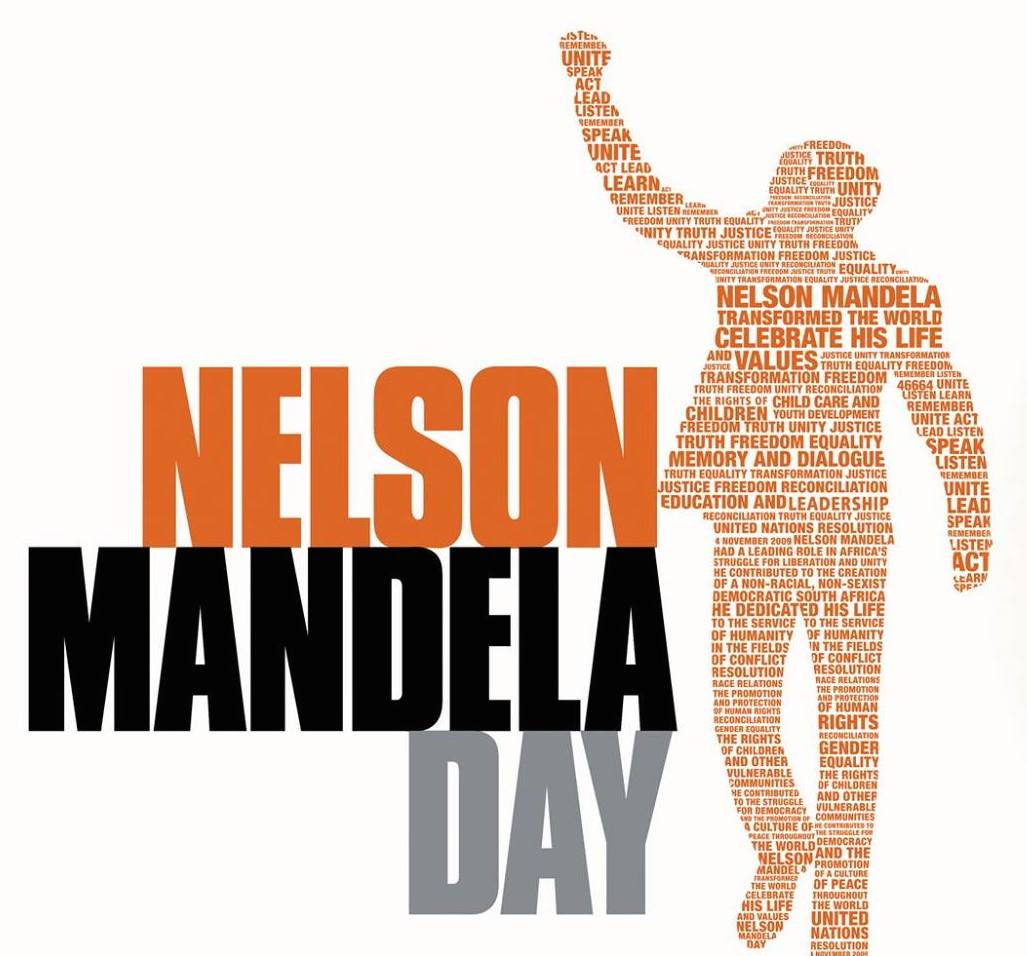
Nelson Mandela, a name synonymous with the struggle for justice and equality, has left an indelible mark on the world. His journey from anti-apartheid revolutionary to South Africa’s first Black president is a testament to the power of resilience and the fight for human rights. As nations commemorate International Nelson Mandela Day on July 18 each year, the relevance of his legacy remains crucial in addressing ongoing social justice issues around the globe.
Life and Achievements
Born on July 18, 1918, in a small village in South Africa, Mandela’s early life was shaped by the traditions of the Xhosa people and later framed by the harsh realities of Apartheid. His law studies and involvement in the African National Congress (ANC) in the 1940s propelled him into a life of activism. In 1962, he was arrested and subsequently sentenced to life imprisonment for his efforts to dismantle the apartheid regime.
After 27 years in prison, Mandela was released in 1990, marking a pivotal moment in South African history. His commitment to reconciliation rather than retribution was instrumental in a peaceful transition to democracy. In 1994, he was elected as South Africa’s first Black president in the country’s first fully democratic elections. His administration focused on dismantling the legacy of apartheid and fostering national unity.
Impact on Global Human Rights
Mandela’s influence extended far beyond South Africa. He became a global symbol of resistance against oppression. His advocacy for human rights, social justice, and peace resonated with movements worldwide. Mandela inspired many activists, including those fighting against racial discrimination, poverty, and inequality in their respective nations. His famous saying, “It always seems impossible until it is done,” continues to encourage those working towards justice.
Current Relevance and Legacy
As we analyse global issues today, the importance of Mandela’s teachings resonates strongly. The rise of intolerance, systemic racism, and social inequities in various forms underscores the need for continued dialogue and action. International Nelson Mandela Day not only commemorates his legacy but also encourages individuals to dedicate their time and efforts to service and community work. This year, the theme focuses on promoting social justice in a world where disparities are evident across different sectors.
Conclusion
Nelson Mandela’s enduring legacy reminds us of the essentiality of perseverance, empathy, and collective action in the quest for equality. As we remember him, it is imperative to address the ongoing adversities faced by marginalized communities and strive to embody his values of compassion and justice. The future of human rights requires each of us to take action, guided by the principles that Mandela advocated for throughout his life.