Introduction
The camera has long been a vital tool in recording and interpreting the world around us. In recent years, rapid advancements in camera technology have revolutionised photography, making it more accessible and versatile than ever before. These developments not only enhance artistic expression but also impace fields such as journalism, science, and social media.
The Current Landscape of Camera Technology
As of 2023, we are witnessing significant innovations in camera technology. Digital cameras, including DSLRs, mirrorless systems, and compact point-and-shoots, are becoming increasingly sophisticated, boasting features such as high resolution, improved low-light performance, and advanced autofocus systems. Recently released models, such as the Canon EOS R6 II and Sony A7 IV, offer remarkable capabilities that appeal to both amateurs and professionals alike.
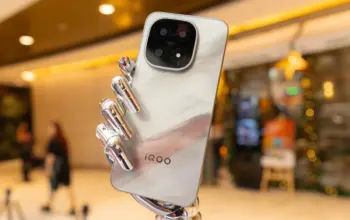
Moreover, smartphones have emerged as dominant cameras in everyday life, integrating high-quality lenses and AI-driven software to enhance pictures. The iPhone 14 Pro and Google Pixel 7 have garnered attention for their impressive photography features, making it easier for users to capture stunning images on the go.
Market Trends and Consumer Preferences
The global camera market is experiencing a shift in consumer preference towards more portable and easy-to-use devices. According to a report from Grand View Research, the photography market is expected to grow significantly, with a projected revenue increase of 6.5% annually through 2028. This rise can be attributed largely to the growing demand for social media content and the popularity of photography courses.
Furthermore, there is a thriving interest in vintage cameras and instant photography, as seen with the resurgence of brand Polaroid and others. Collectors and enthusiasts value these devices for their unique aesthetic and the tangible nature of their output.
Conclusion
The advancements in camera technology are reshaping the way we capture and appreciate photographs. As devices become more advanced yet user-friendly, the barrier to entry for budding photographers continues to decline, fostering a richer creative landscape. The integration of cameras in smartphones indicates that photography remains at the forefront of digital technology.
Looking ahead, the significance of cameras in our daily lives will likely only grow, as emerging technologies such as augmented reality and artificial intelligence offer new possibilities for visual storytelling. For readers interested in photography, now is an exciting time to explore the capabilities of both traditional and modern camera technology.