Understanding Solar Eclipses
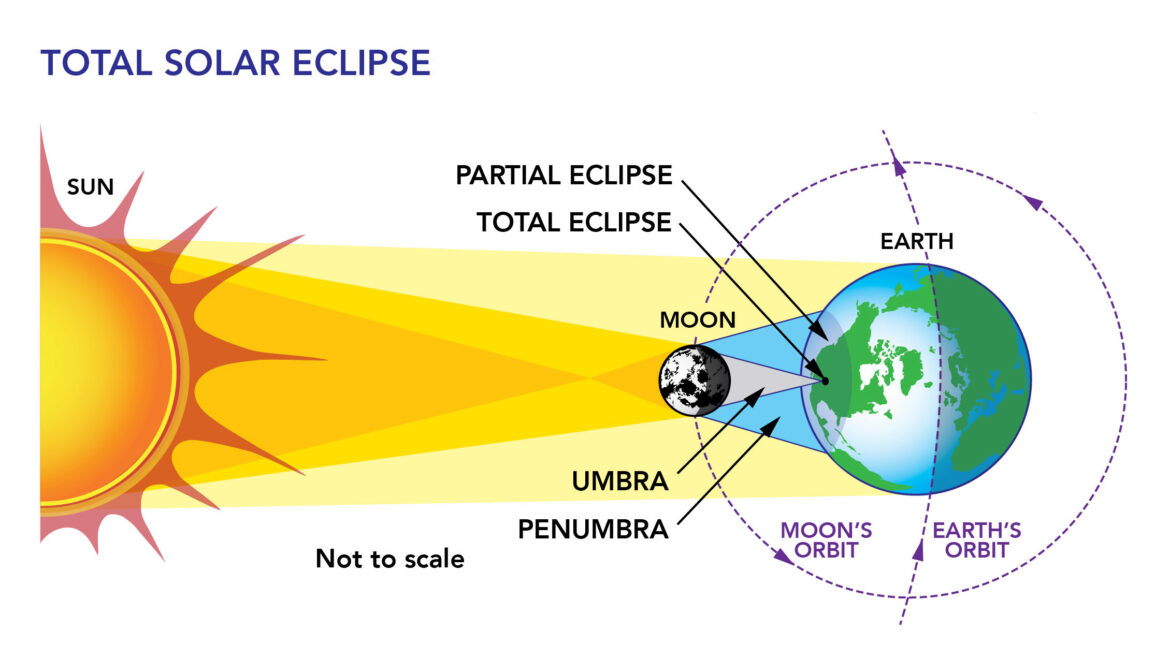
Solar eclipses are extraordinary astronomical events that occur when the moon passes directly between the Earth and the Sun, blocking out the Sun’s light either partially or completely. These events, though relatively rare, hold significant importance in both scientific and cultural contexts.
The Importance of Solar Eclipses
Solar eclipses provide scientists with a unique opportunity to study the Sun’s corona, or outer atmosphere, which is normally obscured by the brightness of the Sun itself. The most recent total solar eclipse, which occurred on April 20, 2023, crossed parts of Australia and Indonesia, offering researchers and spectators alike a front-row seat to this cosmic phenomenon.
Historical Significance
Throughout history, solar eclipses have captured the imagination of societies worldwide, often interpreted as omens or messages from deities. Historical accounts, such as the eclipse of 585 BC that reportedly stopped a war between the Medes and the Lydians, illustrate the profound impact these events have had on human affairs. Modern science, however, looks at these occurrences through a completely different lens, using them to further understand celestial mechanics.
Future Eclipses to Watch
Looking ahead, the next total solar eclipse will take place on April 8, 2024, and is expected to be visible across a large swath of North America. Such eclipses draw millions of viewers and inspire interest in astronomy and science, making them vital to educational initiatives.
The Cultural Impact of Eclipses
In addition to their scientific implications, solar eclipses often lead to increased cultural awareness and community engagement. Events surrounding eclipses tend to bring people together, whether for viewing parties or educational sessions. Schools and observatories frequently organise activities to cultivate interest in astronomy among students and the general public.
Conclusion
Solar eclipses are not only remarkable for their visual impact but are also significant for the insights they provide into our universe. As we look to the future of these celestial events, the excitement they generate serves as a powerful reminder of our place in the cosmos and our ongoing journey to understand it. Enthusiasts and scientists alike continue to prepare for the next solar eclipses, underlining their enduring allure and importance to our culture and knowledge.