Introduction
Energy is fundamental to modern life, powering homes, industries, and transportation systems around the world. As we face the dual challenges of climate change and energy security, the importance of shifting towards sustainable energy sources has never been more pronounced. With increasing global demand for energy, understanding recent trends and innovations in the energy landscape is vital for consumers, investors, and policymakers alike.
Current Trends in Energy
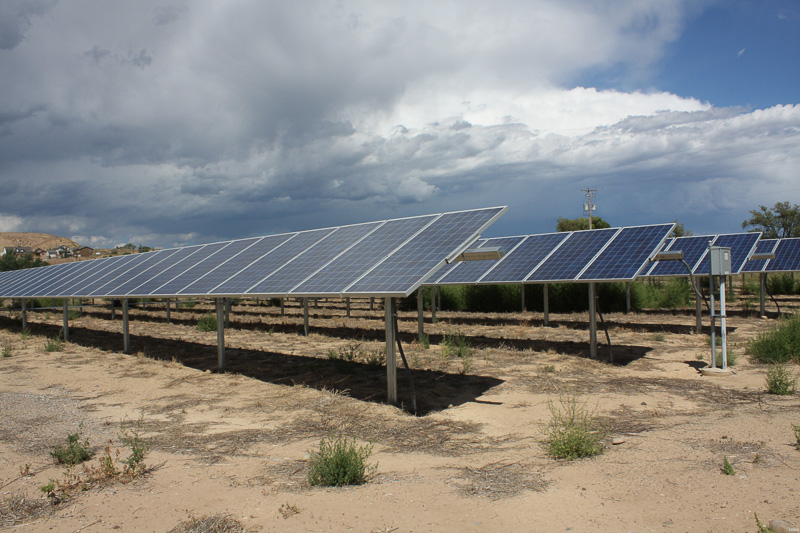
One notable trend is the rapid adoption of renewable energy sources. According to the International Energy Agency (IEA), renewable energy accounted for nearly 29% of global electricity generation in 2022, reflecting a significant increase from previous years. This shift is primarily driven by growing investments in solar and wind energy, which are becoming the cheapest forms of new power generation in many countries.
Additionally, the energy transition is bolstered by technological advancements. Innovations such as energy storage systems, smart grids, and electric vehicles are revolutionizing how energy is produced, stored, and consumed. For instance, Tesla’s development of high-capacity batteries has made it more feasible to integrate intermittent renewable sources like solar and wind into the grid.
Impact of Policy Changes
Government policies are crucial in shaping the energy sector’s evolution. In 2021, several countries committed to net-zero emissions targets, prompting the enactment of various incentives aimed at promoting clean energy. The UK Government, for example, has pledged to phase out coal-fired power stations by 2024 and increase support for renewable energy projects. These policies not only help reduce carbon emissions but also create jobs and stimulate economic growth.
Challenges Ahead
Despite these positive developments, significant challenges remain. Transitioning to a fully renewable energy system requires overcoming obstacles such as energy equity, infrastructure limitations, and the need for substantial investments. Furthermore, as energy demands continue to rise, striking a balance between supply and sustainability will be crucial.
Conclusion
The future of energy is undoubtedly dynamic and promising, characterised by a move towards renewables and innovations that enhance efficiency. As we navigate this transformation, collective efforts from governments, businesses, and consumers will be essential to realise a sustainable energy future. Staying informed about the changes in the energy landscape will be vital for all stakeholders, ensuring that societies can harness the full potential of modern energy solutions.