Introduction
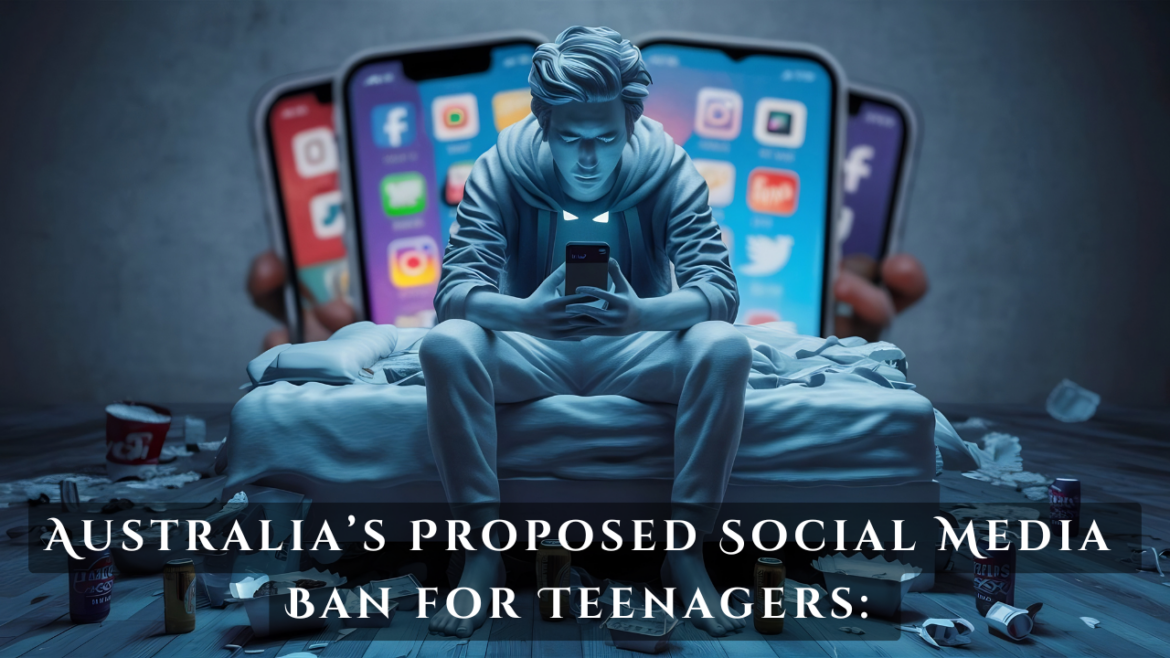
The recent surge in social media bans around the world reflects ongoing concerns regarding privacy, misinformation, and national security. As governments grapple with the implications of digital communication, these bans have sparked intense debate amongst users, policymakers, and technology companies alike. Understanding the motivations behind these actions and their impacts is essential for citizens navigating today’s complex digital landscape.
Details of Recent Social Media Bans
In 2023, several countries, including Iran and China, have implemented sweeping bans or restrictions on popular social media platforms. For instance, Iran’s government imposed a ban on various apps following widespread protests, arguing that they threaten national security. Similarly, China continues to maintain stringent controls over foreign social media platforms like Twitter and Facebook, promoting its native alternatives to regulate information flow.
In addition to state-level actions, social media companies themselves are increasingly making decisions that resemble a ban. In early 2023, Meta announced it would restrict access to certain content in specific countries where misinformation was rampant. The rationale behind such actions is to preserve the integrity of information but raises questions about censorship and user freedom.
Public Reaction and Consequences
The public’s response has been mixed. While some citizens support the bans due to concerns over fake news and online harassment, others see it as an infringement on their rights to free speech. Protests have erupted in various cities, with demonstrators advocating for the right to unfiltered access to social media and online platforms. Analysts predict that the backlash against such bans could fuel a global movement for digital rights, potentially leading to stronger protections for social media users.
Conclusion
The trend of social media bans highlights a tipping point in the relationship between governments and digital platforms. As discussions around privacy, security, and free speech continue, stakeholders must find a balance that safeguards users while addressing legitimate concerns. The implications of these bans are significant not only for those directly affected but also for global internet governance. As we move forward, it will be crucial for policymakers to consider both the rights and responsibilities of social media users in an interconnected world. The trajectory of these bans will undoubtedly shape the future of online communication and digital expression.