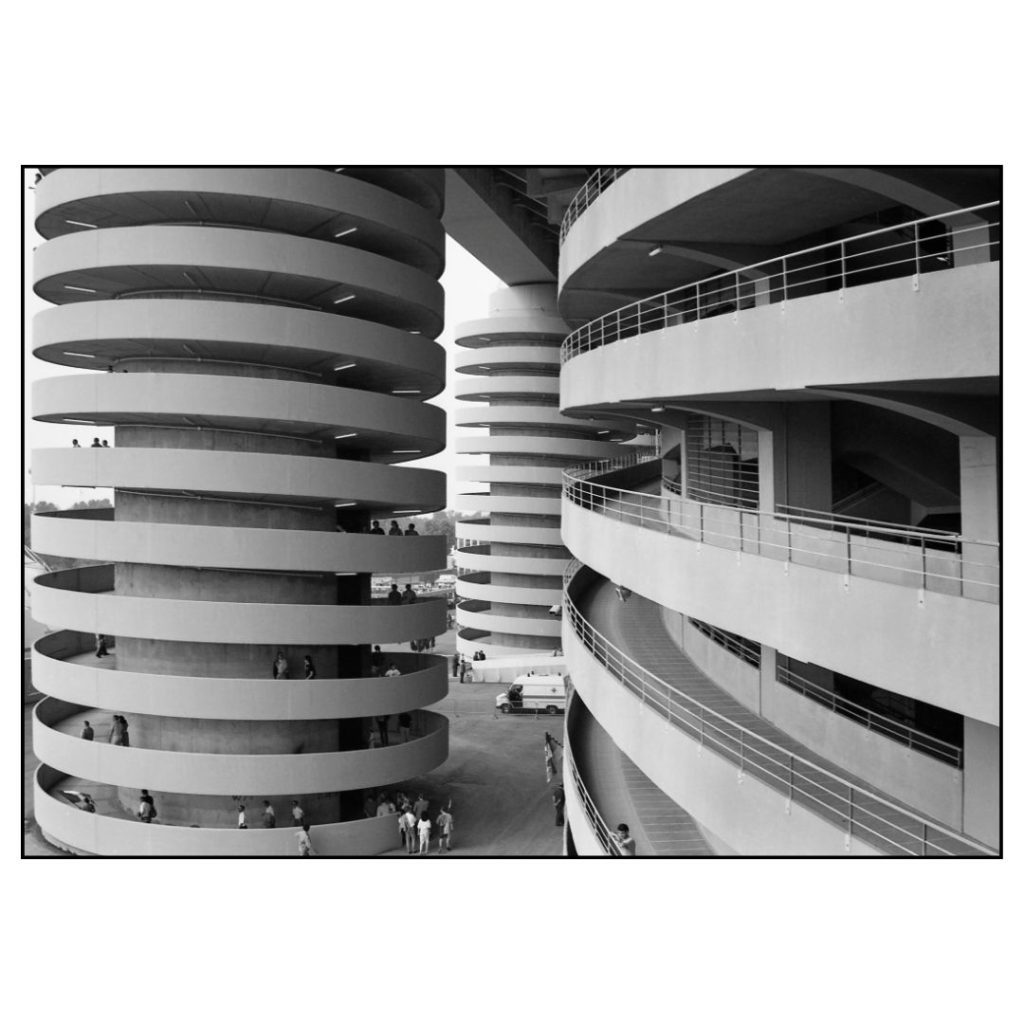
Introduction
San Siro Stadium, officially known as Stadio Giuseppe Meazza, is one of the most iconic football venues in the world. Located in Milan, Italy, this historic stadium has been home to two famous football clubs, AC Milan and Inter Milan, since its inauguration in 1926. With a seating capacity of over 75,000, it is a symbol of Italian football culture and a must-visit destination for sports enthusiasts.
Historical Context
The construction of San Siro Stadium began in 1925, initiated by AC Milan to create a home ground that could accommodate more fans. The stadium was completed a year later and initially had a capacity of just 35,000 seats. However, in response to the growing popularity of football and in line with continued renovations, the capacity has expanded significantly over the years, making it one of the largest stadiums in Europe. The stadium was renamed in honour of the legendary player Giuseppe Meazza in 1980, who played for Inter Milan and AC Milan.
Recent Events and Developments
In recent years, San Siro has hosted not only football matches but also international events, including concerts by renowned artists such as Beyoncé and Ed Sheeran. It has also been selected as one of the venues for the UEFA Euro 2020 tournament, showcasing its continued relevance on a global stage. However, as both AC Milan and Inter Milan consider building a new stadium to replace San Siro, discussions surrounding the future of this iconic venue have intensified. In September 2023, proposals were made, sparking a public debate regarding the preservation of the stadium’s historical significance versus the need for modern facilities.
Conclusion and Significance
San Siro Stadium serves as a vital piece of Milanese culture and heritage, not only representing the city’s football legacy but also hosting significant cultural events. As debates continue regarding its future, the decisions made will affect not just the fans of AC Milan and Inter Milan, but also the broader community that cherishes this landmark. Preserving San Siro’s historical essence while adapting to modern demands presents a complex challenge. Moving forward, stakeholders hope to find a solution that honours the past while paving the way for future generations to enjoy the magic of San Siro.