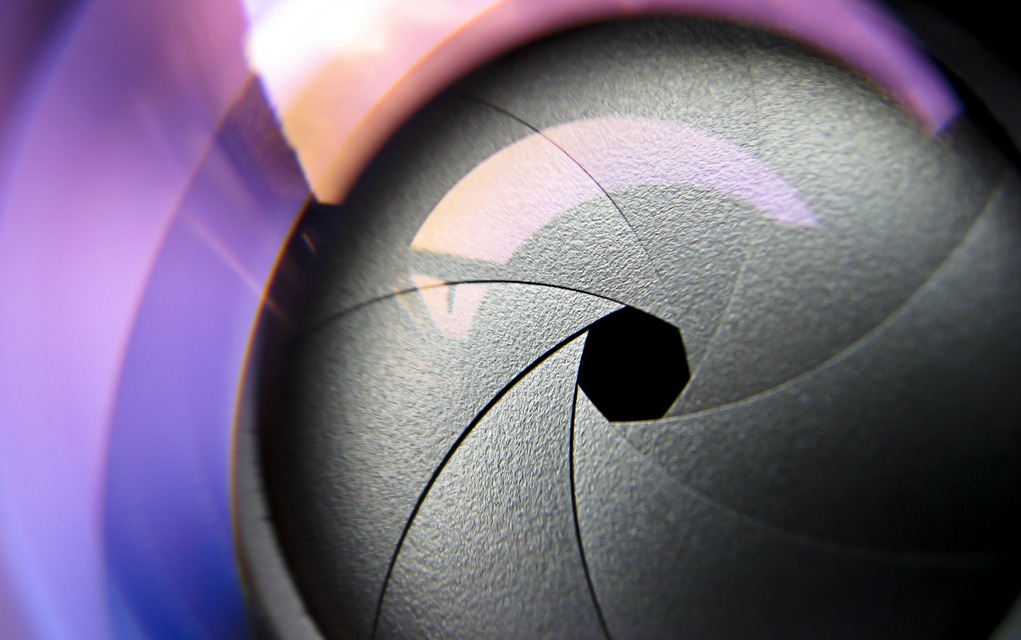
Introduction to Aperture
Aperture is a crucial element in photography that plays a significant role in determining how images are captured. It influences the exposure, focus, and overall aesthetic of a photograph, making it an essential aspect for both professional and amateur photographers. As technology continues to evolve, understanding how to manipulate aperture settings remains vital in achieving the desired visual effects.
What is Aperture?
Aperture refers to the opening within a camera lens that allows light to enter the camera. It is expressed in f-stops, such as f/2.8, f/4, or f/16. A lower f-stop number indicates a larger opening, allowing more light, while a higher f-stop number indicates a smaller opening, letting in less light. This adjustment can greatly affect exposure, where more light results in brighter images, and less light can create darker ones.
The Role of Aperture in Exposure
Exposure is one of the key elements of photography, impacting whether an image is too dark (underexposed) or too bright (overexposed). Adjusting the aperture allows photographers to manipulate exposure alongside shutter speed and ISO. For instance, in bright conditions, a smaller aperture (higher f-stop) is often used to prevent overexposure, while in low-light settings, a larger aperture (lower f-stop) can help capture enough light to produce a clearer image.
Aperture and Depth of Field
Another significant aspect of aperture is its effect on depth of field, which refers to the amount of space in focus within the image. A wider aperture (lower f-stop) results in a shallow depth of field, causing the subject to stand out against a blurred background. This effect is often employed in portrait photography to emphasize the subject. Conversely, a smaller aperture (higher f-stop) increases depth of field, keeping more of the scene in focus, which is ideal for landscape photography.
Current Trends and Technology
As of 2023, many cameras come equipped with advanced features that allow for easier adjustment of aperture settings. Mirrorless cameras and DSLRs offer broader ranges of aperture options, with some lenses allowing adjustments beyond traditional f-stop limits. Moreover, smartphone technology has also caught up, with various apps simulating aperture effects, allowing users to achieve professional-looking images directly from their phones.
Conclusion
In conclusion, aperture is a fundamental concept in photography that greatly influences how images are created. Understanding how to manipulate aperture settings not only enhances the quality of photographs but also allows for creative expression. As photography continues to evolve, keeping abreast of trends in aperture technology will help photographers at all levels elevate their craft and capture breathtaking images.