Introduction
Statins are widely prescribed medications for lowering cholesterol levels and reducing the risk of heart disease. Given the prevalence of cardiovascular diseases globally, understanding the side effects of statins is crucial for patients and healthcare providers alike. With millions of people relying on these medications, awareness of potential adverse effects can guide proper usage and enhance patient safety.
Overview of Statins
Statins function by inhibiting an enzyme involved in cholesterol production in the liver. Commonly prescribed statins include atorvastatin, simvastatin, and rosuvastatin. While they are effective in lowering low-density lipoprotein (LDL) cholesterol, patients often report experiencing various side effects.
Common Side Effects
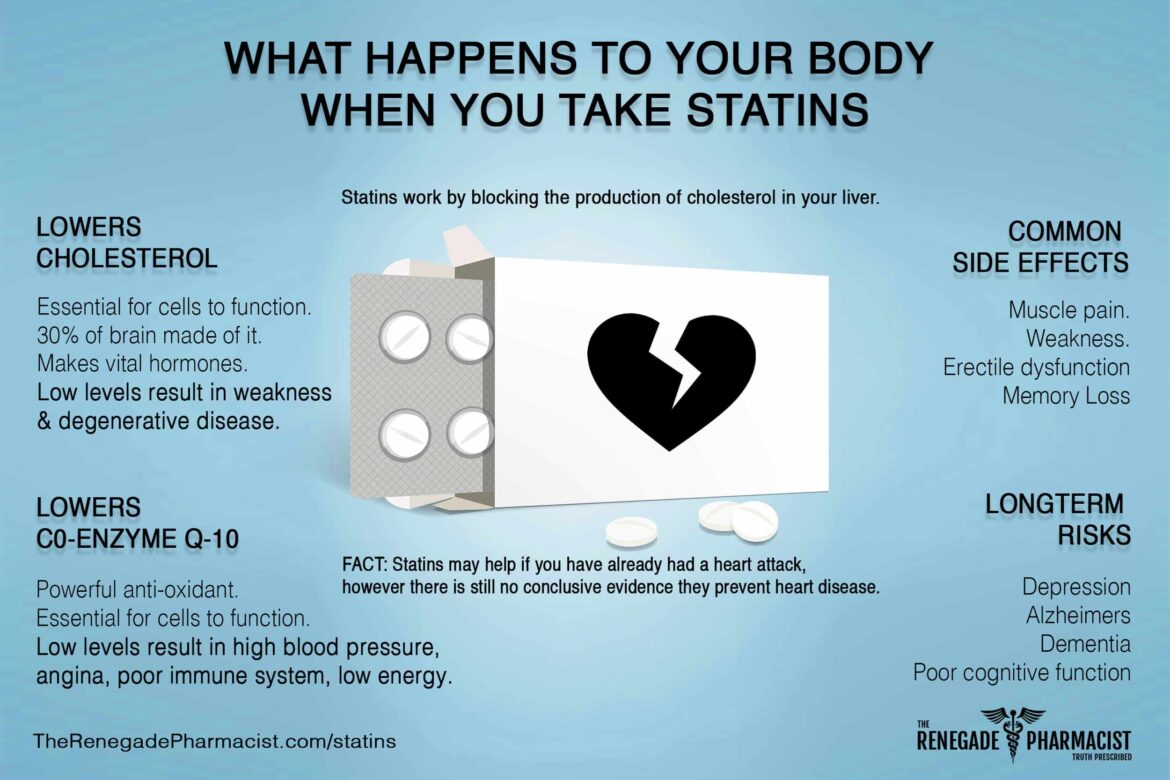
The most frequently reported side effects of statins include:
- Muscle Pain: Myalgia, or muscle discomfort, affects a considerable number of individuals taking statins. This can range from mild soreness to severe pain.
- Digestive Issues: Patients may experience symptoms such as nausea, diarrhoea, and constipation.
- Liver Damage: Statins can impact liver function tests, leading to elevated liver enzymes in some cases, although severe liver damage is rare.
- Increased Blood Sugar Levels: Statin use has been associated with a slightly heightened risk of developing type 2 diabetes.
Rare but Serious Side Effects
While the common side effects are often manageable, more severe reactions can occur. Rarely, some patients may develop rhabdomyolysis, a serious condition leading to muscle breakdown that can cause kidney damage. Additionally, there have been concerns about potential cognitive effects, such as memory loss or confusion, though research in this area remains inconclusive.
Importance of Monitoring and Consultation
Doctors recommend regular monitoring of liver function and muscle health in patients on statins. Furthermore, open communication between patients and healthcare providers is essential to understand the risk-benefit ratio of using statins. Patients experiencing side effects are encouraged to report them, as this feedback helps in assessing the overall safety of these medications.
Conclusion
In summary, while statins play a vital role in managing cholesterol levels and reducing heart disease risk, awareness of their potential side effects is key. By discussing any adverse effects with healthcare professionals, patients can make informed decisions about their treatment. Ongoing research will continue to shed light on the long-term effects of statins, ultimately leading to better patient outcomes and a deeper understanding of cardiovascular health.