Introduction
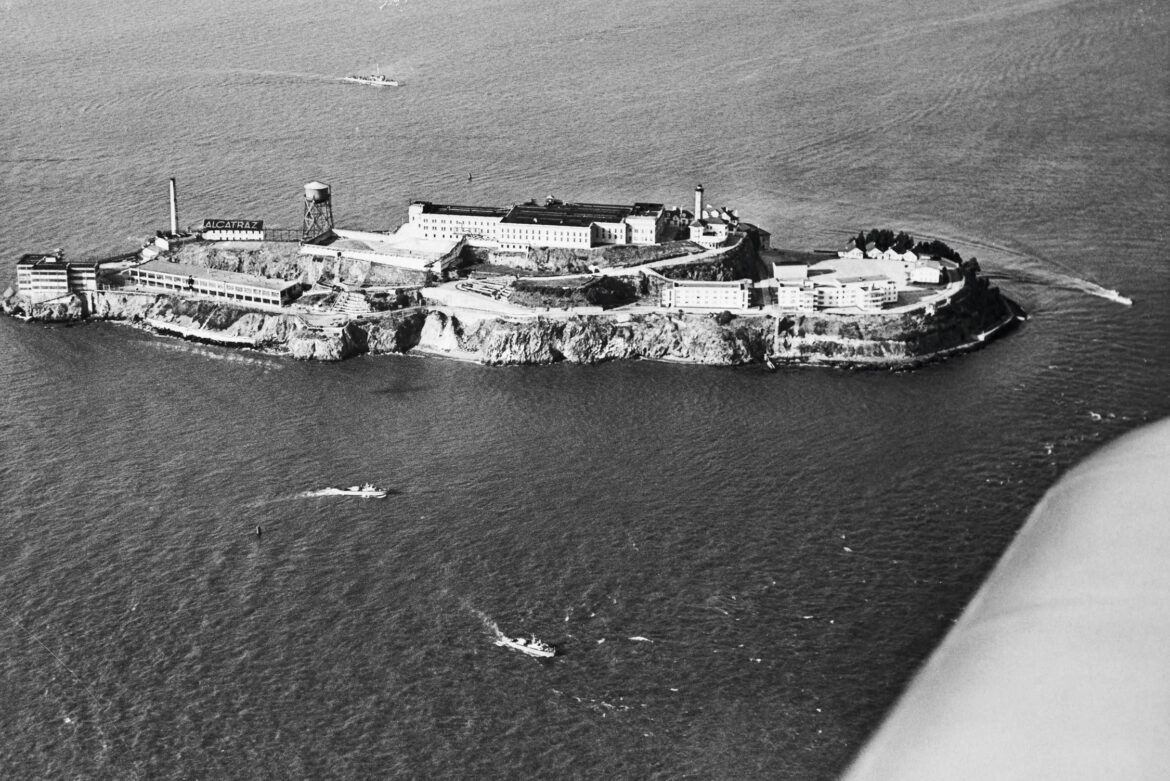
Located in the heart of San Francisco Bay, Alcatraz Island, often simply referred to as Alcatraz, has become a symbol of crime and punishment in the United States. Its notoriety stems primarily from its use as a federal prison from 1934 to 1963, where some of America’s most dangerous criminals were incarcerated. Understanding the history and legacy of Alcatraz is significant not only for its cultural impact but also for its role in shaping the American penal system.
History of Alcatraz Island
Originally, Alcatraz served as a military fortification in the 1850s before transforming into a military prison during the American Civil War. The island was officially designated as a federal penitentiary in 1934, taking on the mantle of holding notorious criminals, including Al Capone and George “Machine Gun” Kelly. The choice to place a prison on Alcatraz was strategic; its isolation could deter escapes and maintain order within the facility.
Notorious Inmates and Escapes
During its operation as a federal prison, Alcatraz housed some of the most infamous inmates of the era. The most notable escape attempt occurred in 1962, when inmates Frank Morris and brothers John and Clarence Anglin famously broke out of their cells, crafting a makeshift raft from raincoats. Although their ultimate fate remains a mystery, the escape has since become a part of Alcatraz folklore, leading to various films and books depicting the dramatic event.
Closure and Historical Significance
Despite its formidable reputation, Alcatraz was closed in 1963 due to high maintenance costs and deteriorating conditions. For decades afterwards, it lay uninhabited until the National Park Service took control in 1972, transforming it into a historical site and National Historic Landmark. This transition has allowed for preservation and education about the island’s complex history, while also becoming a popular tourist destination. In 2019, over 1.7 million people visited Alcatraz, drawn by its grim history and beautiful setting.
Contemporary Relevance
Today, Alcatraz represents more than just a prison; it embodies issues pertaining to justice, rehabilitation, and the criminal justice system. The increasing population of incarcerated individuals in the U.S. invites ongoing discussions about reform and the effectiveness of punitive prisons. Alcatraz’s legacy offers a reflective space for understanding the past and discussing the future of incarceration.
Conclusion
As an iconic part of American history, Alcatraz continues to captivate audiences with its blend of notorious tales and cultural significance. The site serves as a reminder of the darker chapters in the nation’s history and encourages dialogue surrounding contemporary justice issues. Whether drawn by curiosity or a desire to engage with its haunting past, visitors to Alcatraz leave with a deeper appreciation for this landmark’s role in shaping the narrative of crime and punishment in America.