Introduction
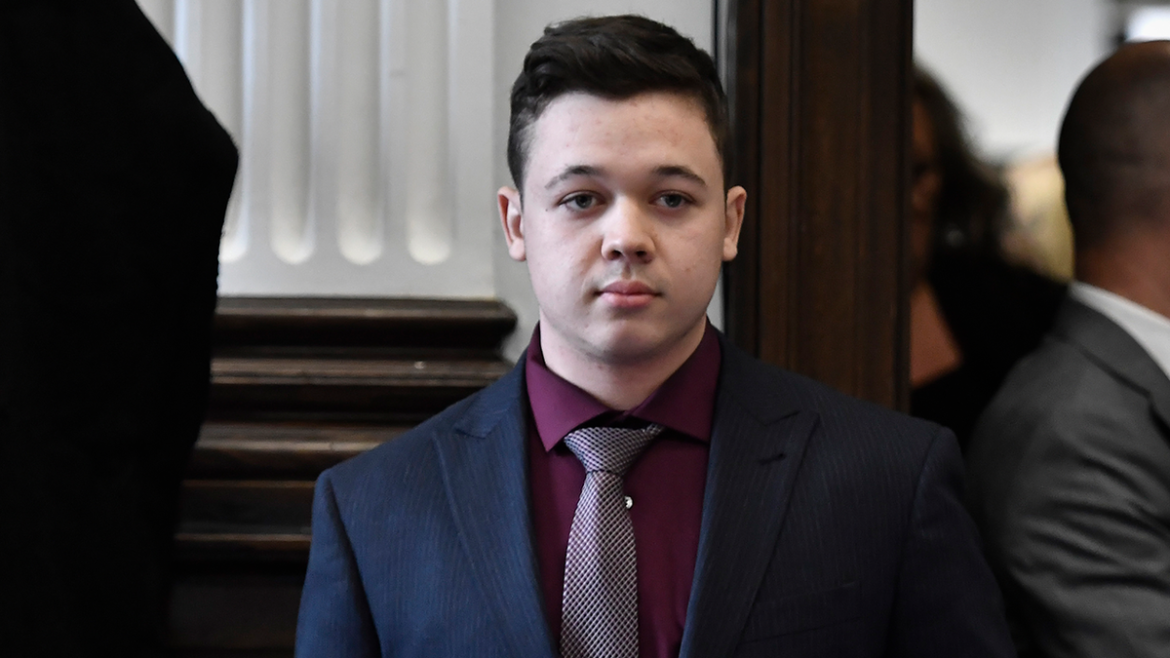
The Kyle Rittenhouse case has emerged as one of the most controversial legal battles in recent American history. Rittenhouse, who was charged with multiple counts, including homicide, for shooting three individuals during protests in Kenosha, Wisconsin, in August 2020, became a symbol of the polarized debates on self-defence, gun rights, and social justice. His trial and subsequent acquittal have ignited discussions around the implications for legal standards and societal perceptions regarding firearms and civil unrest.
Details of the Case
The incident occurred amid protests following the police shooting of Jacob Blake, a Black man, which drew national attention. Rittenhouse, a then-17-year-old from a neighbouring state, claimed he travelled to Kenosha in order to protect businesses during the unrest. The events took a dramatic turn when he shot and killed two protesters, Joseph Rosenbaum and Anthony Huber, while injuring a third, Gaige Grosskreutz.
The trial, which began in November 2021, was closely watched, with Rittenhouse arguing that he acted in self-defence. The defence presented evidence suggesting that Rittenhouse was under threat during the incident, while the prosecution argued that he had instigated the violence. The jury ultimately found him not guilty on all counts, a verdict that prompted both celebrations and protests across the United States.
Significant Implications
Rittenhouse’s acquittal has led to widespread discussion about the use of firearms, vigilantism, and the legal definitions surrounding self-defence. Legal experts have debated the potential precedent this case may set for future self-defence claims, especially in the context of public protests. Some analysts caution that this case could embolden individuals to take the law into their own hands, raising concerns about the potential for increased violence at protests.
Furthermore, Rittenhouse’s case has become a flashpoint in the broader debates surrounding Second Amendment rights, as well as discussions about systemic racism and police violence. While supporters view him as a defender of rights, opponents argue that the ruling sends a message condoning vigilante actions.
Conclusion
The Kyle Rittenhouse case exemplifies the complex intersection of law, justice, and societal beliefs in America. As debates continue about the implications of this case, it highlights the persistent divisions within the country regarding self-defence, gun rights, and the responses to civil unrest. Observers and legal experts alike will be closely monitoring similar cases in the future to understand how this case influences the legal landscape and public discourse around these pivotal issues.