Introduction
Les Wexner, the founder of L Brands and former CEO of Victoria’s Secret, has had a profound impact on the retail landscape. His innovative approach and business acumen not only propelled his companies to great success but also influenced the fashion industry as a whole. As Wexner stepped back from leadership roles in recent years, his legacy remains relevant as discussions about retail evolution continue.
Career Overview
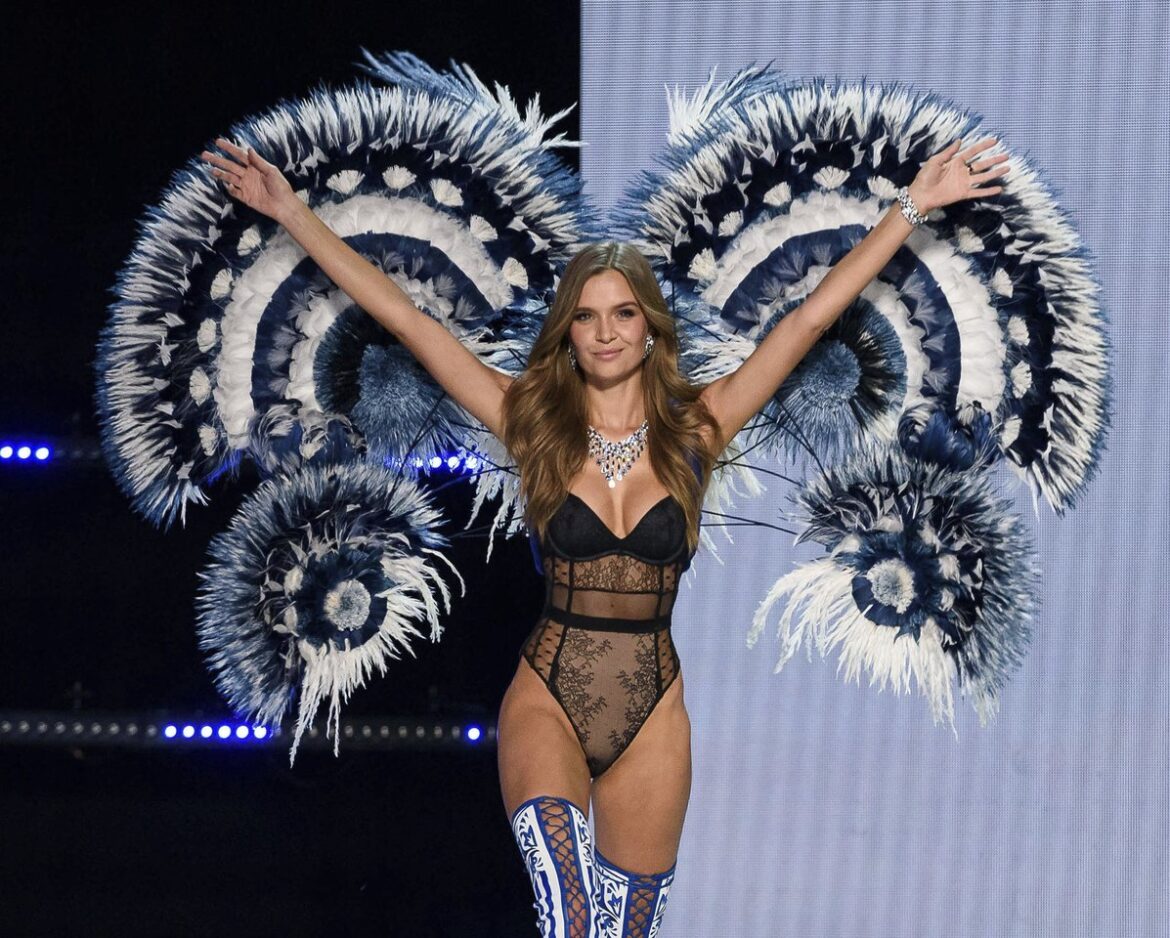
Les Wexner started his career in 1963 when he acquired a struggling clothing store in Columbus, Ohio, named The Limited. Under his guidance, The Limited thrived, leading to the creation of a retail empire. By 1982, Wexner expanded the brand into Victoria’s Secret, turning it from a small lingerie store into a billion-dollar sensation. His vision included not only creating a premium brand image but also establishing an extensive catalog and, eventually, the chain of lingerie stores that captured the attention of millions.
Victoria’s Secret Controversies
In recent years, Victoria’s Secret has encountered numerous challenges, including declining sales and criticism surrounding its marketing practices. Wexner faced backlash due to connections with Jeffrey Epstein, which also led to scrutiny over his leadership choices and the corporate culture at L Brands. In 2020, Wexner announced his decision to step down from his role as CEO, with retail analysts suggesting this was a move to distance the company from the scandals that had emerged.
Impact on Retail Trends
Despite the controversies, Wexner’s contributions to retail cannot be overlooked. He was one of the first to leverage the concept of a “lifestyle brand,” focusing on the emotional connection between customers and the brands they patronise. His business strategies have set a precedent in the fashion industry, pushing many retailers to rethink their branding and customer engagement approaches.
Conclusion
As the retail industry continues to evolve, Les Wexner’s legacy remains significant. While the landscape is changing with the rise of e-commerce and the decline of traditional store formats, Wexner’s influence is evident in the strategies that companies employ today. The lessons learned from his tenure at Victoria’s Secret and L Brands will resonate as future retail leaders navigate the challenges of an increasingly digital marketplace. Understanding Wexner’s journey offers valuable insights into the complexities of running a successful luxury brand in a fast-paced environment.