Introduction
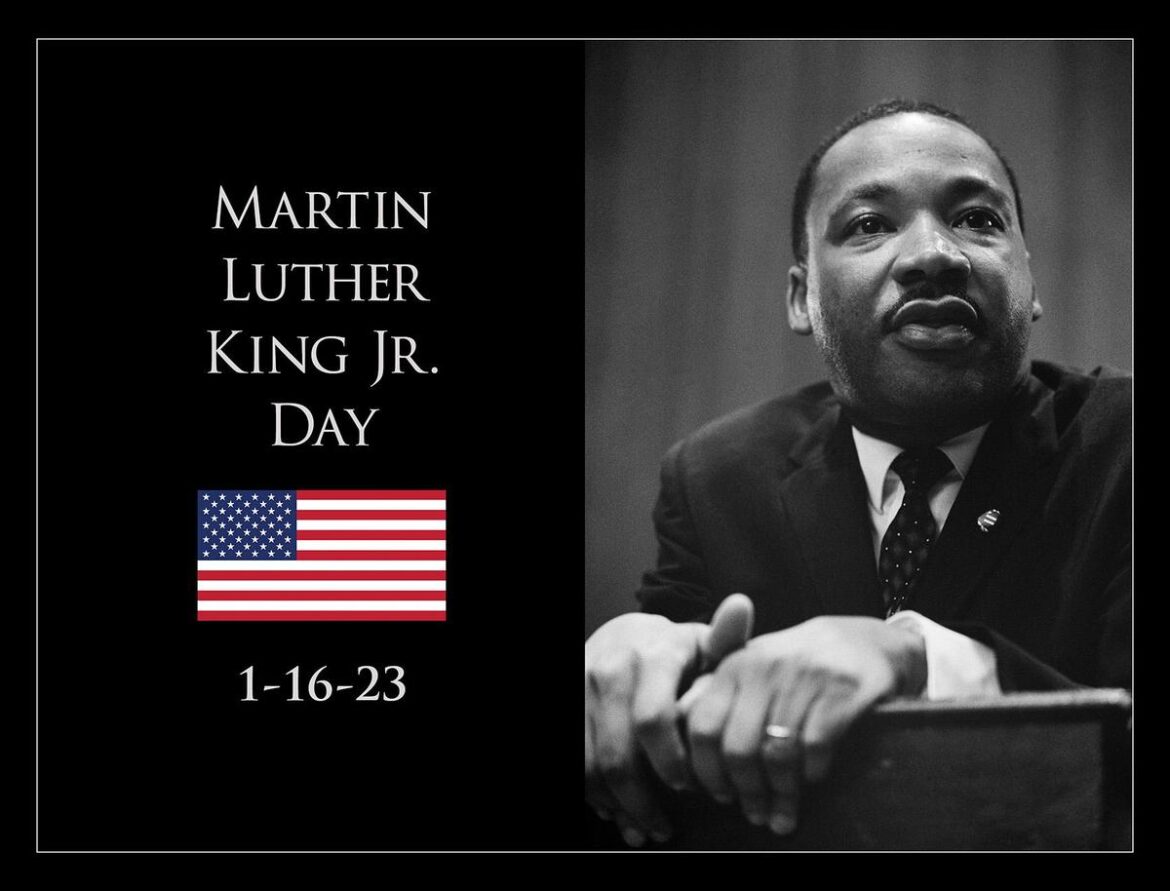
Martin Luther King Jr. remains a significant figure in American history, known for his unwavering commitment to civil rights and social justice. His dedication to nonviolent protest during the civil rights movement of the 1950s and 1960s paved the way for monumental changes in American society. With ongoing discussions about race relations today, King’s message is as relevant as ever, prompting ongoing dialogue about equality and justice.
Key Events in King’s Life
Born on January 15, 1929, in Atlanta, Georgia, King emerged as a leader in the civil rights movement in the wake of Rosa Parks’ arrest for refusing to give up her bus seat to a white passenger in 1955. This incident led King to spearhead the Montgomery Bus Boycott, a pivotal event that galvanized the African-American community and highlighted the injustices of racial segregation. His use of nonviolent resistance drew inspiration from Mahatma Gandhi’s methods, which became a hallmark of his approach.
King’s most famous moment came during the March on Washington for Jobs and Freedom in 1963, where he delivered his iconic ‘I Have a Dream’ speech. This powerful address resonated deeply, calling for an end to racism and advocating for civil and economic rights. It is often credited with significantly raising public awareness and support for the civil rights movement.
Recent Developments
In recent years, King’s legacy has undergone renewed scrutiny and celebration, especially as movements like Black Lives Matter have emerged. The fight for racial justice continues, and many activists draw upon King’s teachings to advocate for contemporary issues such as police reform, equal education, and voting rights. Educational programmes and public commemorations, particularly the national holiday observed on the third Monday of January, further highlight King’s influence and the need for ongoing social change.
Conclusion
Martin Luther King Jr.’s contributions to civil rights, peace, and justice continue to inspire generations. As society confronts new challenges regarding racial equality and social justice, revisiting King’s philosophy encourages dialogue and action. His legacy serves not only as a reminder of how far America has come but also of the work that remains to be done. In order to fulfil King’s vision of a just and equitable society, individuals and communities must remain active in advocating for the principles he stood for. In this ongoing journey, King’s words and actions are a guiding light.