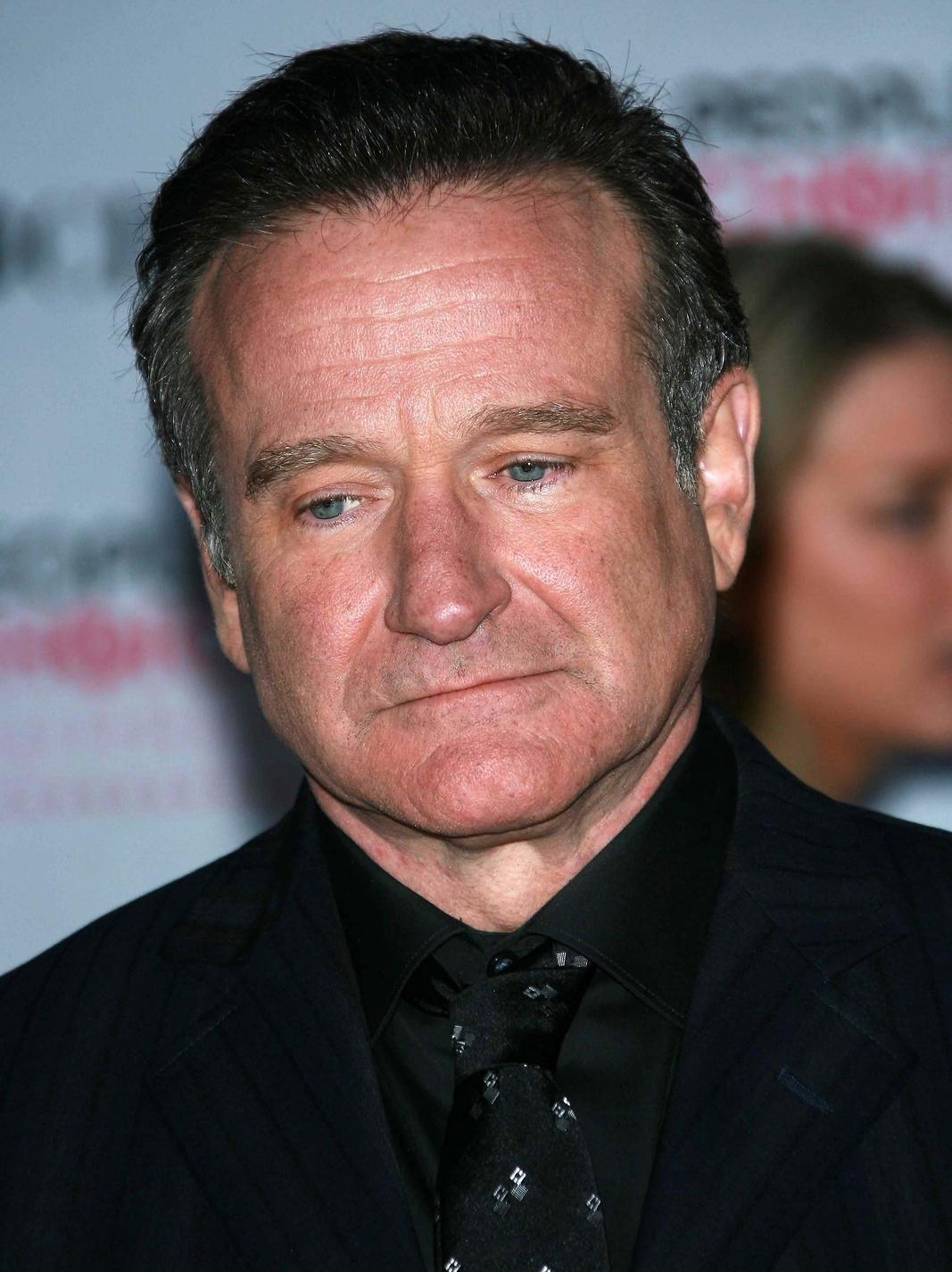
Introduction
Robin Williams, an iconic figure in the entertainment industry, is famed for his remarkable contributions to film and stand-up comedy.
His ability to seamlessly blend humour with heartfelt performances made him a beloved figure among audiences worldwide, and his legacy continues to resonate with fans and fellow artists alike.
Career Highlights
Born on July 21, 1951, in Chicago, Robin Williams’s journey began in the late 1970s when he starred in the television series Mork & Mindy. His unique comedic style and improvisational skills quickly earned him acclaim. With a successful career spanning over four decades, Williams starred in numerous memorable films, including Good Morning, Vietnam, Dead Poets Society, and Mrs. Doubtfire.
Williams’s performance in Good Will Hunting garnered him an Academy Award for Best Supporting Actor, solidifying his status as one of Hollywood’s most talented entertainers. Beyond his film work, Williams was also a celebrated stand-up comedian, known for his energetic and spontaneous performances, captivating audiences in sold-out arenas.
Impact on the Arts and Society
Williams was not only a master of comedy but also a voice for many important social causes. He openly discussed his struggles with depression and addiction, helping to shed light on mental health issues. His advocacy work inspired many and encouraged ongoing conversations about these often-taboo subjects, promoting empathy and understanding.
Conclusion
The tragic death of Robin Williams in 2014 left a profound impact on fans and the entertainment industry. His remarkable ability to evoke laughter while also addressing serious themes has cemented his place in film history. As the world remembers Robin Williams, his legacy serves as a reminder of the healing power of laughter and the importance of addressing mental health openly.
As we look to the future, Williams’s influence continues to inspire new generations of comedians and actors, ensuring that his spirit will endure in the hearts of many.