Introduction
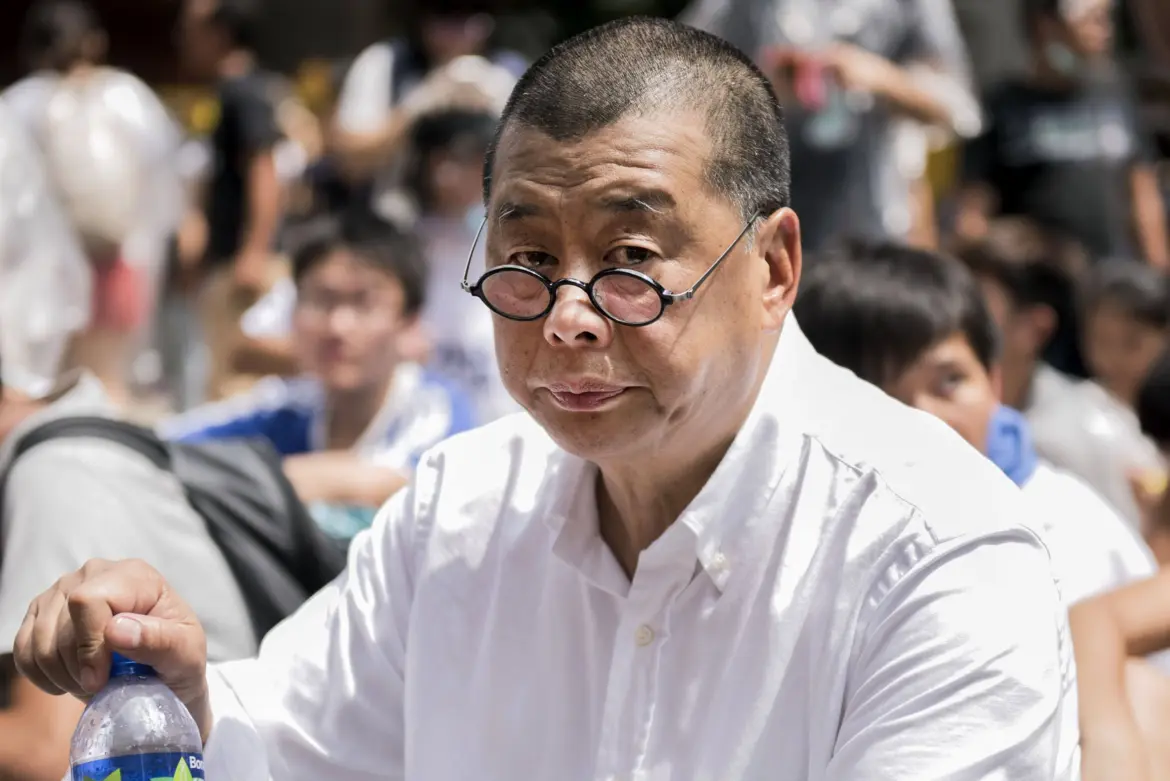
Jimmy Lai, a prominent Hong Kong media tycoon, has become a symbol of the pro-democracy movement in the region. His influence extends far beyond his media empire, which includes the popular Apple Daily newspaper. Lai’s commitment to freedom of speech and democracy has made him a target of the Hong Kong authorities, especially in the wake of the 2019 protests and the subsequent imposition of the National Security Law. Understanding Lai’s journey is crucial as it encapsulates the larger struggle for democracy and human rights in Hong Kong today.
Background and Early Career
Born on December 8, 1947, in Guangzhou, China, Jimmy Lai emigrated to Hong Kong with his family at a young age. He initially worked in the garment industry before venturing into media. In 1995, he founded Next Digital, and Apple Daily quickly became a significant platform for independent journalism and a promoter of pro-democracy views. Lai’s unwavering stance against the Chinese government’s encroachments on Hong Kong’s autonomy has garnered both support and opposition.
Legal Challenges and Imprisonment
In recent years, Lai has faced multiple legal challenges. Following the enactment of the National Security Law in June 2020, Lai’s media outlets have been heavily scrutinised. In 2021, he was arrested and charged with various offenses, including collusion with foreign forces. In December 2022, Lai was convicted on charges of fraud, leading to a lengthy sentence. His imprisonment is viewed as a direct attack on press freedom and poses significant implications for journalists in Hong Kong.
International Response and Significance
Lai’s plight has attracted international attention, with numerous human rights organisations and foreign governments calling for his release and the protection of free speech in Hong Kong. The United States and the European Union have condemned the actions against Lai and issued sanctions against Hong Kong officials involved in his prosecution. Lai’s case exemplifies the challenges facing activists in Hong Kong and highlights the ongoing battle for democracy in the region.
Conclusion
Jimmy Lai’s story is more than that of an individual; it mirrors the struggles of many who advocate for democracy in Hong Kong. His legal battles signify a broader fight against oppression and the curtailing of free speech. As international scrutiny continues, Lai’s situation serves as a critical reminder of the stakes involved in the defence of democratic values. The future of media freedom in Hong Kong remains uncertain, but Lai’s resilience continues to inspire those who seek change.